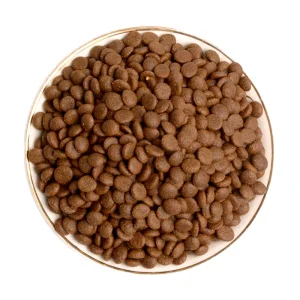
Premium global formulations, high-protein supplements, and health-focused pet foods engineered for optimal efficacy.
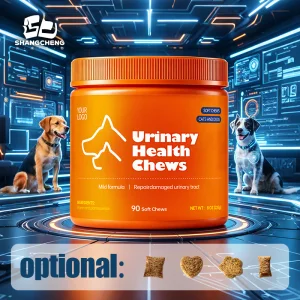
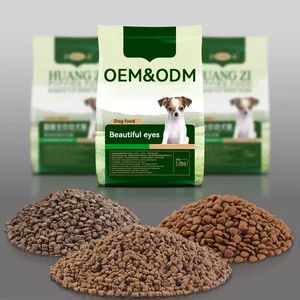
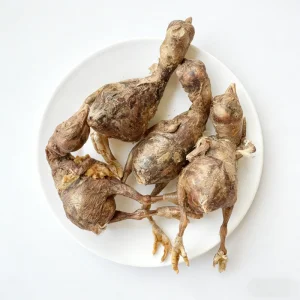
The pet care ecosystem is experiencing a structural demographic shift. Due to advancements in veterinary medicine, enhanced diagnostics, and proactive parental care, domestic dogs are living significantly longer lives. Today, geriatric dogs (typically aged 7 years and older) constitute more than 40% of the canine companion population in primary global markets including North America, Western Europe, and East Asia. This demographic transition has spurred an urgent demand for highly specialized senior dog care nutrition solutions.
B2B buyers, private labels, and established veterinary brands are rapidly moving away from "all-life-stages" products. Modern research shows that senior canines possess distinct metabolic pathways, compromised gastrointestinal systems, higher susceptibility to systemic inflammation, and deteriorating musculoskeletal structures. Consequently, the commercial landscape is pivoting toward target-oriented diets that integrate preventative medicine with daily nutrition. Globally, the senior dog food market is projected to expand at a compound annual growth rate (CAGR) of 6.2% over the next decade, with specific functional health sub-sectors (such as cognitive health and joint preservation chews) surpassing 8.5% CAGR.
Integration of biological grade Glucosamine, Chondroitin Sulfate, and Green-lipped Mussel extract to manage Osteoarthritis and age-onset hip dysplasia.
Application of Medium Chain Triglycerides (MCTs) derived from coconut oils to serve as alternative energy substrates for aging brains.
Formulating restricted phosphorus, highly digestible proteins, and sodium-controlled matrices to prevent progress of chronic kidney disease (CKD).
As procurement managers evaluate B2B suppliers, China's pet food manufacturing hubs represent the standard for supply chain integration, technological efficiency, and regulatory compliance.
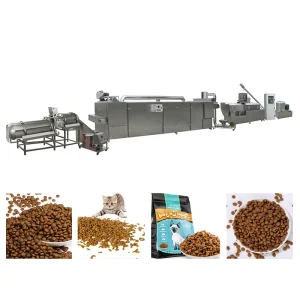
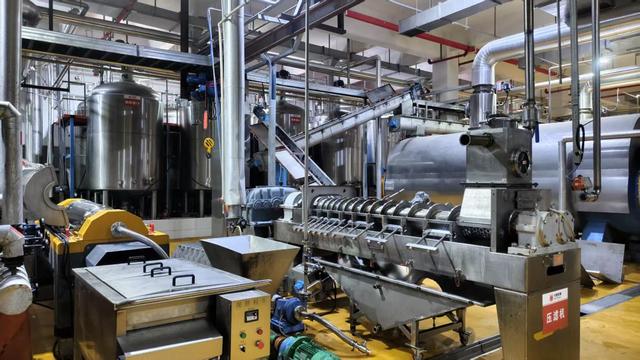
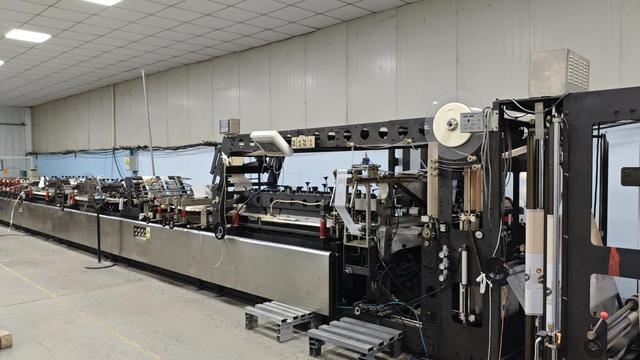
Chinese production lines implement state-of-the-art twin-screw extrusion systems (such as Wenger and Clextral) alongside massive sub-zero vacuum freeze-drying arrays. This level of technology ensures the preservation of heat-sensitive bioactive compounds like vitamins, prebiotics, and functional enzymes that traditional thermal processing destroys.
Proximity to regional agricultural clusters (such as the premium poultry sources of Shandong) guarantees a continuous supply of fresh raw ingredients. By utilizing direct supply networks, plants reduce regional logistics delays, maintain an unbroken cold-chain, and lower manufacturing costs, which are directly passed to B2B clients.
Top-tier Chinese contract manufacturers operate under rigorous international quality frameworks. Facilities are certified with ISO 9001, ISO 22000, HACCP, and registered with foreign agencies like the US FDA and the European Union (EU) standards, ensuring frictionless customs clearance and global distribution capability.
Sourcing Savings
Through centralized supply chain integrationAutomated Production
Ensuring highest microbiological safety marginsIngredient Traceability
Using block-chain batch monitoring softwareR&D Turnaround
From custom formulation concept to sample deliveryQingdao Nill Paws Co., Ltd. is a professional Pet Food Manufacturer specializing in natural and nutritional dog and cat food solutions with full OEM/ODM capabilities for global pet brands. Established in 2011, the company has developed into a modern pet nutrition factory integrating R&D, production, quality control, packaging, and international distribution.
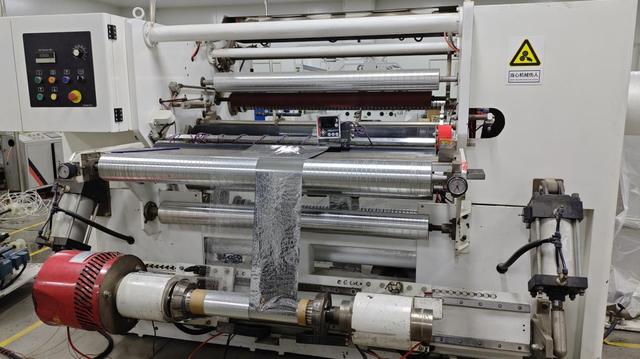
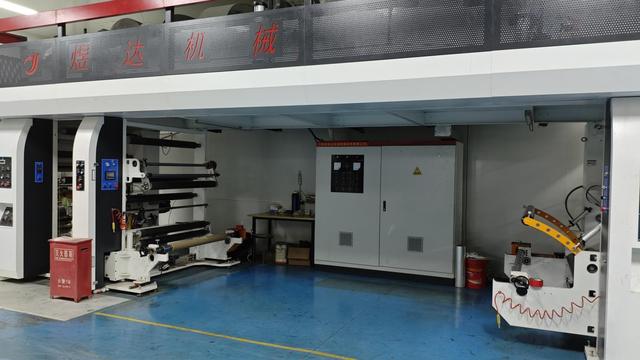
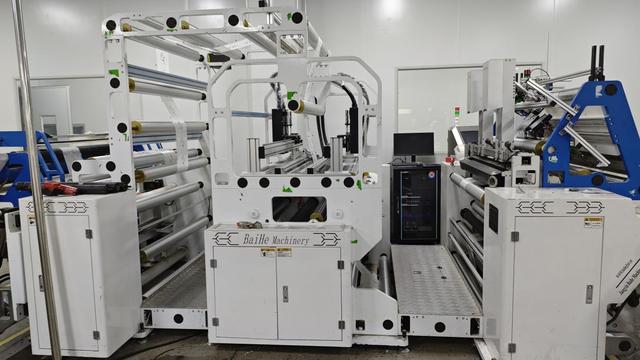
The company operates a manufacturing base covering approximately 32,000 square meters, including 18,500 square meters of production workshops and 8,000 square meters of smart warehouse facilities. With a workforce of around 280 employees, including 18 professional pet nutritionists and food engineers, Nill Paws ensures strong innovation and stable product quality. The factory is equipped with 6 advanced automated production lines, with an annual production capacity of up to 18,000 tons of pet food.
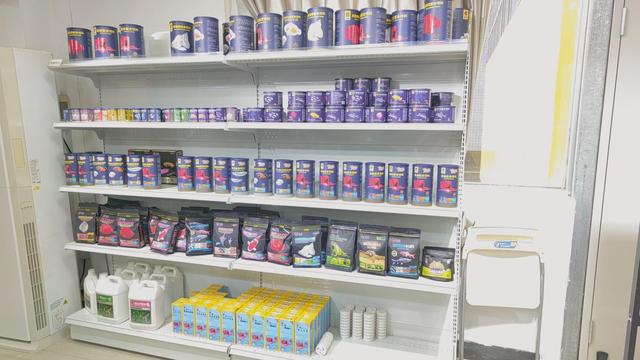
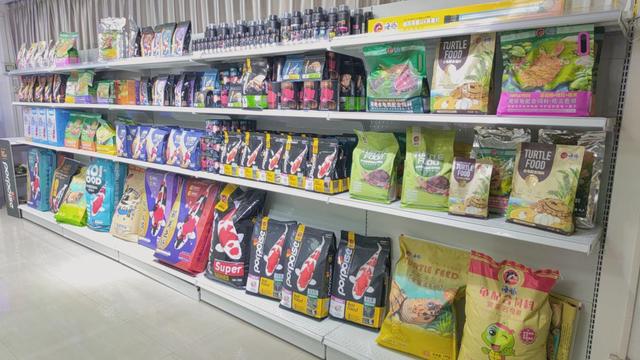
Over the years, Qingdao Nill Paws Co., Ltd. has expanded its product portfolio from basic dry pet food to a full range of grain-free nutrition formulas, high-protein diets, functional pet food, freeze-dried nutrition, and sensitive stomach solutions. The company follows strict international quality standards such as HACCP and ISO-based production management systems.
Since 2017, the company has focused on OEM/ODM services, providing private label solutions for clients in Europe, North America, Southeast Asia, and the Middle East. Continuous investment in smart manufacturing and nutritional R&D has enabled Nill Paws to become a reliable global supplier in the pet food industry.
Today, Qingdao Nill Paws Co., Ltd. is positioned as a trusted partner for pet nutrition brands seeking stable quality, flexible customization, and scalable production capacity in the global pet food market.
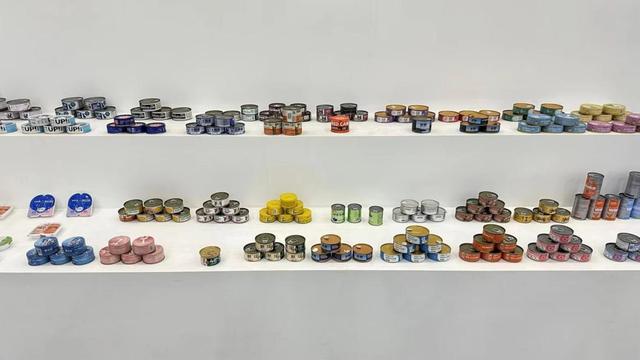

Senior dog nutrition must adapt to diverse global lifestyles, housing conditions, and regional microclimates. B2B brands must customize their product offerings based on these localization paradigms:
Aging dogs living in metropolitan settings experience limited activity space. Formulations require lower caloric density combined with prebiotics (FOS/GOS) to prevent rapid weight gain and minimize stool odor in confined living spaces.
In regions such as Scandinavia and Northern North America, senior dogs require highly bioavailable lipids and Omega-3 fatty acids (EPA/DHA) to maintain core thermal homeostasis and prevent the severe dry skin typical of heated indoor climates.
In humid areas like Southeast Asia, aging pets face recurring skin conditions. Diets infused with zinc chelates, biotin, and hypoallergenic protein bases (like novel fish or single-source hydrolyzed poultry) help support skin barriers and coat vitality.
1. Microbiome Modulation: Integration of heat-stable postbiotics that directly support gut barrier integrity and systemic immunity, bypassing the shelf-life issues of traditional probiotics.
2. Clean-Label Single-Source Proteins: Sourcing transparent, traceable, and ethical protein isolates (e.g., wild-caught fish or organic Shandong-sourced chicken meal) to eliminate sub-clinical allergic responses.
3. Precision Nutraceuticals: Adding specific therapeutic dosing of active compounds (such as Coenzyme Q10 for cardiac support, and L-carnitine for lipid metabolism) directly into kibble extrusions.
B2B sourcing agents and procurement managers looking to source from top suppliers must assess potential partners based on a stringent matrix of technical and structural benchmarks:
To ensure supply chain resilience, safety, and brand alignment, the selection of an OEM/ODM partner should look beyond base unit pricing and evaluate the following:
Answers to critical technical, operational, and regulatory questions from pet food distributors and private label managers.
As dogs age, their protein metabolism efficiency drops, which can lead to muscle wasting (sarcopenia). Senior canine nutrition requires a higher ratio of easily digestible, premium protein (such as hydrolyzed poultry or egg white proteins) to preserve lean muscle without overloading the kidneys with excess waste nitrogen.
Twin-screw extruders offer superior shear force and temperature control. This allows for higher inclusions of fresh meats (up to 60-70%) and starch gelatinization, which significantly improves both digestibility and palatability for older dogs with sensitive teeth and compromised digestion.
Our facility runs a strict HACCP-compliant quality control system. Every incoming batch of raw ingredients undergoes physical, chemical, and microbiological screening. Retention samples are stored for every batch, and all materials are logged in our digital ERP tracking system from intake through processing to final container sealing.
Standard dry kibbles packed in high-barrier metallized bags have a shelf life of 18 months. Soft chews and freeze-dried items packed with oxygen absorbers and nitrogen flushing can maintain optimal nutritional values for up to 24 months when stored in cool, dry environments.
Yes, our R&D department specializes in therapeutic recipes. We can lower phosphorus and sodium levels, increase high-value protein sources, and integrate omega-3 fatty acids to help manage the workload on renal systems while keeping the food palatable.
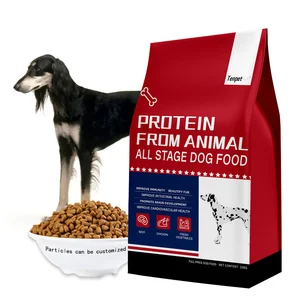
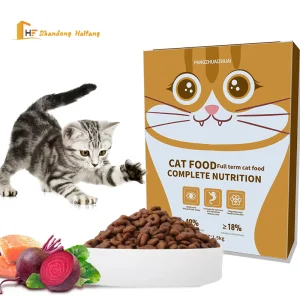
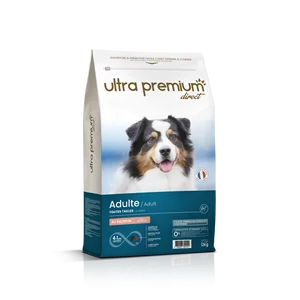
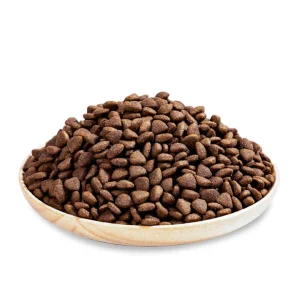
A complete portfolio of raw-freeze dried foods, organic kibbles, therapeutic formulas, and industrial production lines.
 Nill Paws