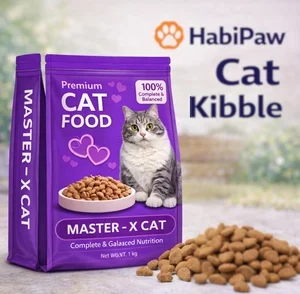
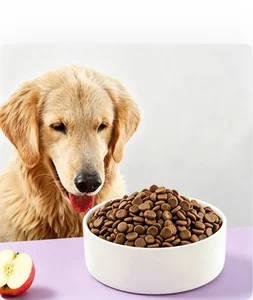
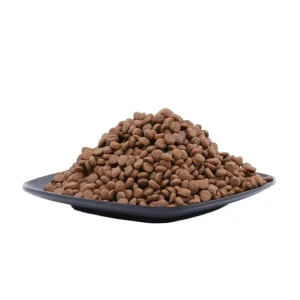
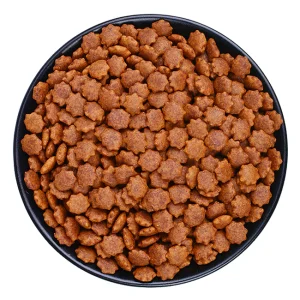
Explore our core selection of biologically advanced dry kibbles, engineered for optimal digestibility and target nutrition profile validation.
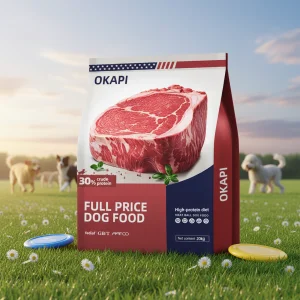
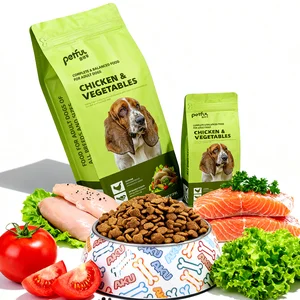
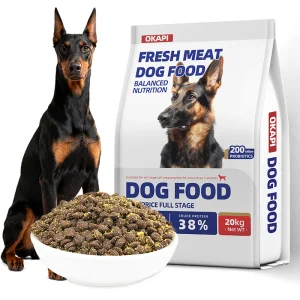
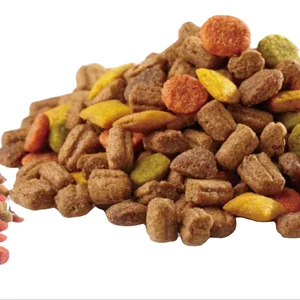
Unveiling the industrial mechanics, global capacity shifts, and B2B requirements defining modern pet nutrition production.
The global dry pet food market has undergone a fundamental transition from simple, commodity-based processing to highly complex, bio-targeted nutritional science. As the humanization of pets drives consumer demand, global brands require contract manufacturers to deliver highly specific amino acid profiles, starch gelatinization levels above 90% for enhanced digestibility, and micro-nutrient stability across complex thermal processes. At the heart of this shift lies the dry kibble nutrition formula, a highly engineered matrix that must balance density, palatability, shelf-life, and cost-effectiveness.
From an industrial manufacturing perspective, creating dry kibble is no longer just about running extruders. It is about understanding the rheological properties of ingredients under pressure and heat. Modern pet food factories operate as biotechnology centers, employing twin-screw extrusion systems, vacuum fat-coating tunnels, and automated formulation control systems. For global brands, selecting the right manufacturing partner dictates the feasibility of their market entry, their compliance with international regulatory bodies (such as AAFCO, FEDIAF, and local agricultural ministries), and the structural integrity of their end products.
SEO Insight & Information Gain: While basic trade directories list simple capacity metrics, true manufacturing capability is defined by starch-to-protein interactions during thermal extrusion. Achieving high protein loads (over 30% crude protein) while maintaining kibble stability requires specialized pre-conditioning chambers and precisely calculated mechanical energy inputs.
Globally, North America and Europe remain the primary consumers of premium, functional, and grain-free kibble formulas, but the fastest growth is localized within the Asia-Pacific region. Consequently, modern factories must adapt to varying supply chains, ensuring raw material traceability and maintaining certifications such as ISO 9001, HACCP, and GMP+ to service global brand strategies seamlessly.
A trusted partner in global pet food OEM/ODM supply chain integration.
Established in 2011, Qingdao Nill Paws Co., Ltd. has evolved into a premier pet food manufacturer specializing in advanced natural and nutritional formulas for dogs and cats. Over more than a decade of research, development, and capacity scaling, we have built a fully integrated ecosystem that spans formulation design, precision batching, high-pressure extrusion, advanced vacuum coating, and global compliance logistics.
Our production campus covers approximately 32,000 square meters, including 18,500 square meters of dedicated processing workshops and 8,000 square meters of computerized climate-controlled warehouses. This infrastructure operates under rigorous quality control standards, ensuring that raw material safety and product consistency are managed from farm to bowl.
With a staff of 280 skilled professionals, including 18 dedicated pet nutritionists and food scientists, Nill Paws works directly with global private labels to engineer customized diets. From grain-free, high-protein formulas to targeted therapeutic veterinary lines and freeze-dried integrated kibbles, our team optimizes each recipe to meet client-specific biological profiles, cost parameters, and regulatory requirements.
18 nutritionists utilize advanced software to design formulas optimized for bioavailability, palatability, and stability under extrusion heat.
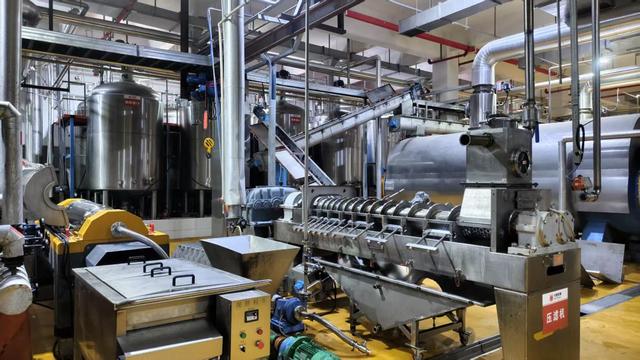
Our 6 automated production lines enable precision moisture management, uniform drying, and advanced external lipid coating systems.
Operated under HACCP and ISO standards, our laboratory performs inline checking of safety, density, and chemical composition.
Exploring raw material interactions, macro-nutrient optimization, and processing technology.
The primary index of any dry kibble is its amino acid profile. Pet food designers must match biological requirements with industrial realities. Fresh meat inclusion (chicken, beef, fish) increases the overall biological value and palatability, but introduces water that must be managed in the pre-conditioner. We utilize advanced twin-screw extruders to balance raw meat input (up to 60% fresh meat inclusion using dry-input systems) alongside concentrated protein meals to ensure that the protein does not denature to the point of losing bio-availability during thermal processing.
Dogs and cats require different levels of gelatinized starch for optimal digestion. Extrusion parameters (temperature, moisture, pressure, and screw shear rate) are carefully calibrated to reach starch gelatinization levels above 90%. Under-gelatinized starch can lead to fermentation in the lower gut and subsequent loose stools, whereas over-processing can lead to the formation of resistant starches and lower energy absorption.
To produce high-energy formulas, fats and functional oils (such as marine fish oils for Omega-3 fatty acids) must be applied. Traditional atmospheric spraying only coats the surface of the kibble, limiting fat inclusion to approximately 12-14% before the kibble becomes greasy and sticky. Our factories utilize advanced vacuum coating technology. By creating a vacuum in the coating chamber, fats are drawn deep into the core pores of the dry kibble, allowing for fat levels of up to 22% while keeping the outer shell dry, clean, and stable.
Vitamins, probiotics, and therapeutic ingredients (like glucosamine, chondroitin, and L-carnitine) are sensitive to high temperatures. To prevent thermal degradation, our formulation roadmap implements dual-stage introduction: heat-tolerant minerals are added to the pre-extrusion mix, while heat-sensitive vitamins and live probiotics are encapsulated and applied post-drying using automated, low-temperature liquid micro-injection systems.
How market demands shape formulation design and factory production protocols.
Highly concentrated meat diets dominate here. Formulations must exclude common grains (corn, wheat, soy) and utilize peas, lentils, or sweet potatoes as structural starches, requiring precise starch binder calculation to prevent kibble crumbling.
With an emphasis on carbon-neutral sourcing, Europe demands insect proteins (black soldier fly larvae), plant-based meat substitutes, and locally sourced agricultural ingredients. Certification pathways must align with FEDIAF standards.
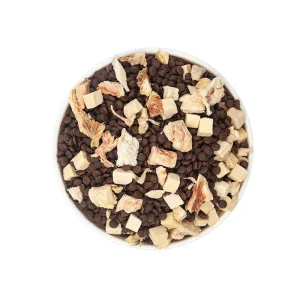
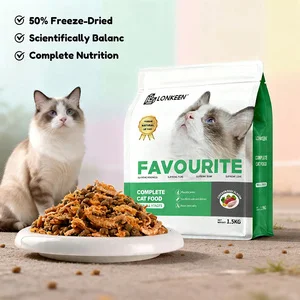
High humidity levels in Southeast Asia require formulations with superior moisture barrier properties and mold-preventative packaging. Consumer demand leans towards kibble blended with freeze-dried raw meat pieces for high palatability.
Over the next five years, the dry pet kibble market will transition to intelligent formulation adjustments. Integrating real-time sensor loops on the extrusion floor allows machines to automatically adjust water injection and thermal energy based on raw material variation. Furthermore, the incorporation of postbiotics (heat-killed beneficial microbes) is replacing standard probiotics, removing the risk of live-culture death in storage and ensuring stable gut health benefits in all climates.
Supporting brands from formulation development to global distribution optimization.
We work alongside your development teams to transition bench-scale recipes to industrial extrusion. This includes analyzing the gelatinization index, determining starch-protein matrix strength, and running palatability panel testing.
To prevent oxidation of unsaturated fats, we offer nitrogen flushing, multi-layer high-barrier metalized films, and premium resealable closures. Our storage tests ensure your products maintain nutritional freshness for up to 18 months.
We manage complete traceability of raw ingredients, helping you secure import certificates, customs clearance paperwork, and ensuring that all labeling parameters conform to local target market legislations.
Get answers to critical technical questions regarding kibble design, factory capabilities, and processing parameters.
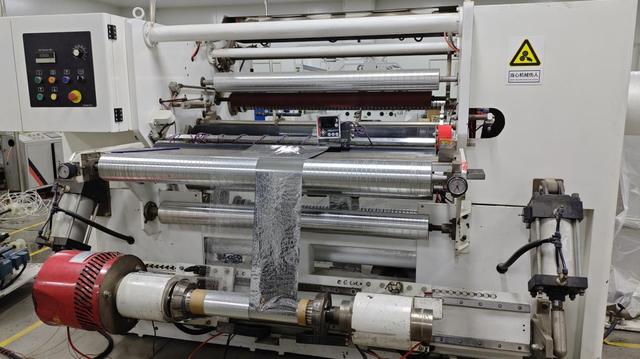
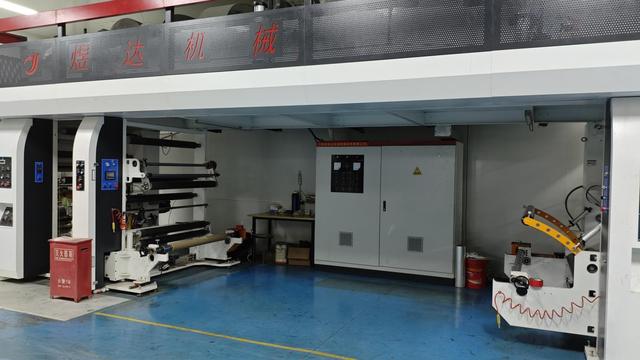
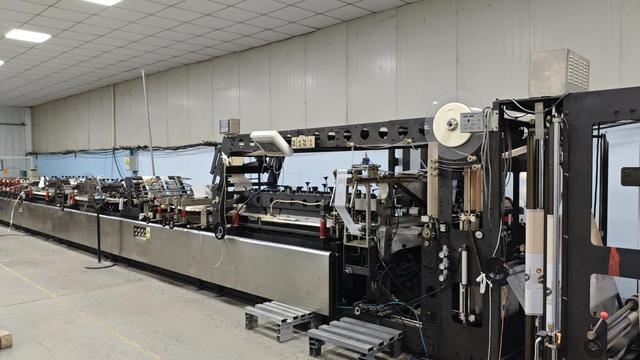
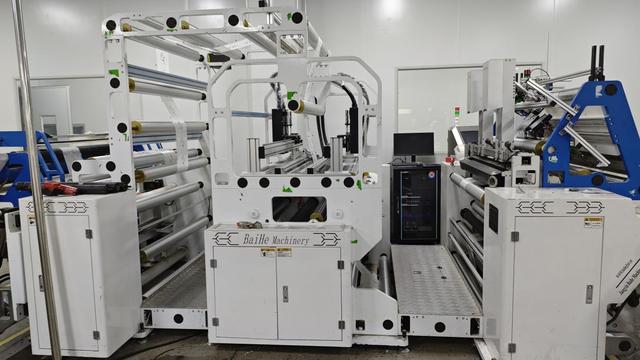
Inside our 32,000 square meter smart factory, processing lines, and quality control laboratories.
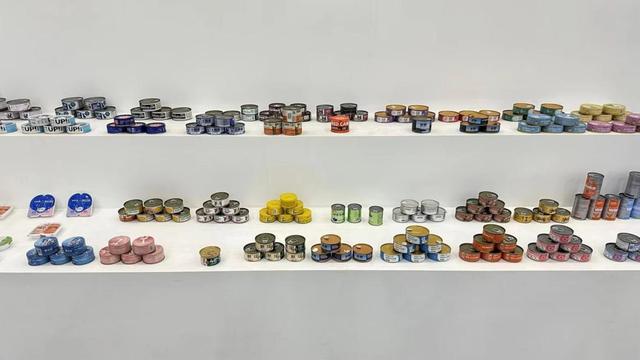

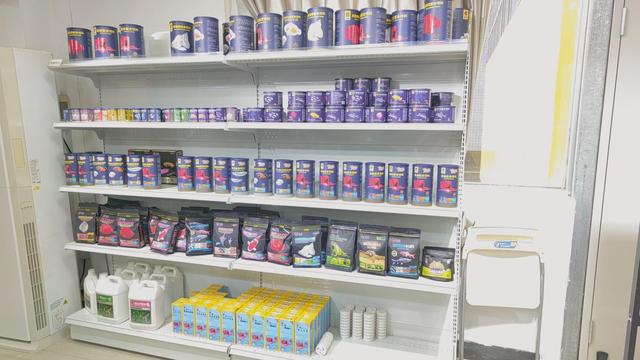
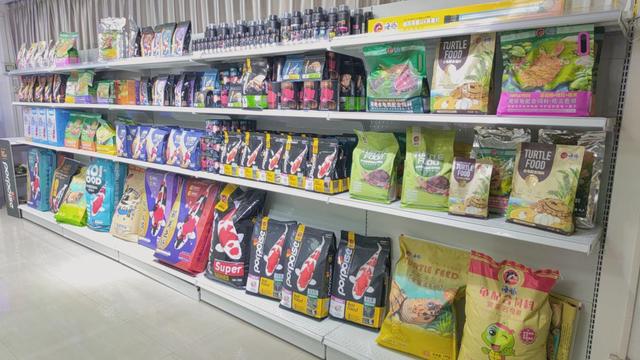
Explore our secondary lineup including high-protein grain-free selections, organic formulations, and specialized meal replacements.
 Nill Paws