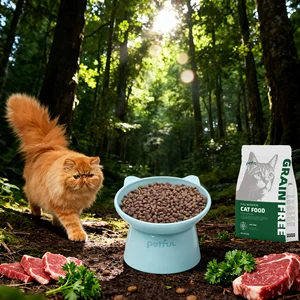
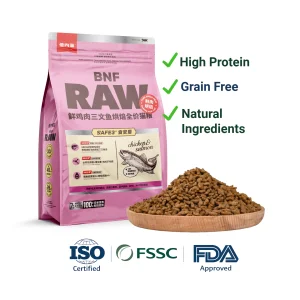
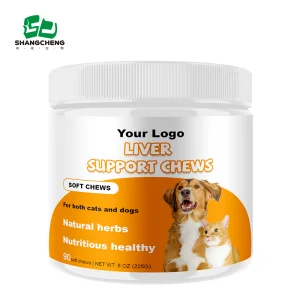
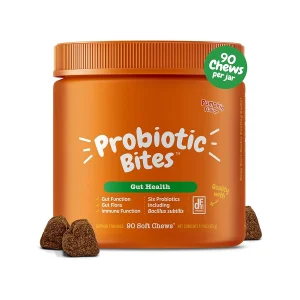
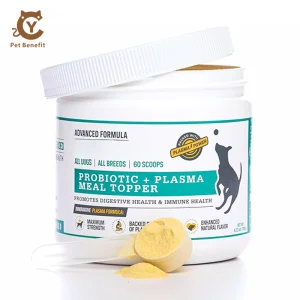
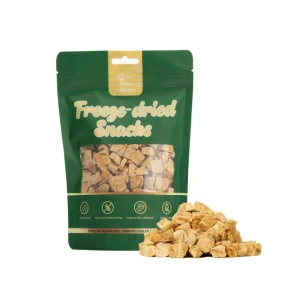
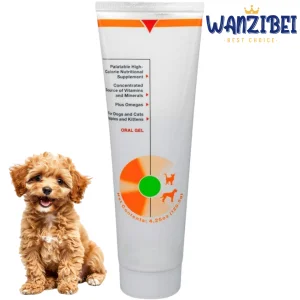
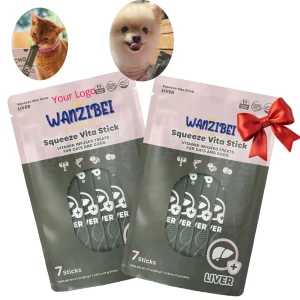
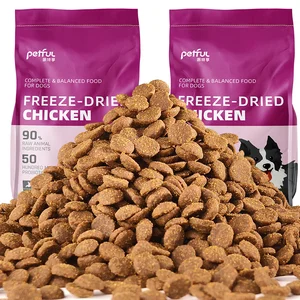
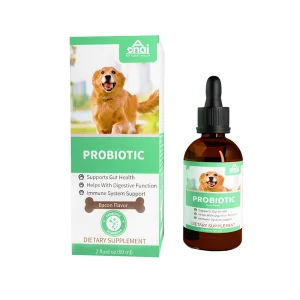
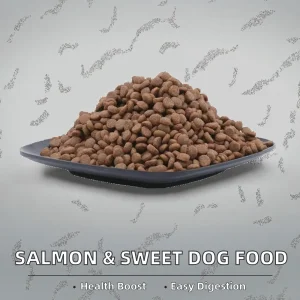
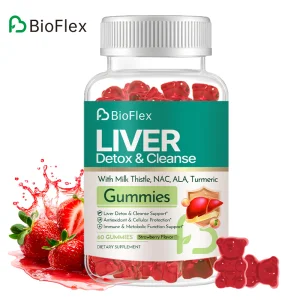
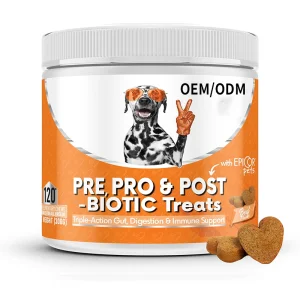
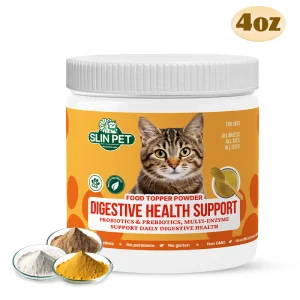
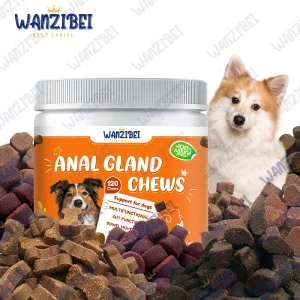
Explore our foundational range of sensitive stomach kibbles, functional treats, and clinically oriented supplement solutions manufactured to international standards.
Understanding the scientific drivers behind the surging global demand for gastrointestinal and hypoallergenic pet foods.
Chronic enteropathies, dietary intolerances, and food-related allergies represent the leading clinical presentations in veterinary practices globally. As companion animal personalization intensifies, brands require factories capable of formulating products targeting specific gut mucosal barrier functions and microbiome stabilization.
Ordinary pet food manufacturing lacks the raw ingredient control and structural processing parameters required to maximize protein digestibility. Modern sensitive stomach pet food production prioritizes low molecular weight peptides (hydrolyzed proteins), novel mono-protein structures, and low-antigenic grain-free carbohydrates.
Cross-contamination is the largest risk in commercial sensitive diet production. Ensuring strict allergen segregation, zero-tolerance carryover matrices, and dedicated extrusion lines are the operational prerequisites for factories servicing therapeutic and premium functional brands.
“Information Gain Perspective: True hypoallergenic and sensitive stomach pet foods require dedicated factory ecosystems. Mere formulation updates cannot prevent trace cross-contamination during commercial batch processing. Complete segregation of avian, ruminant, and aquatic protein matrices is critical for manufacturing integrity.”
Exploring the physical infrastructure, scientific human capital, and automated manufacturing capacities of Qingdao Nill Paws Co., Ltd.
Founded in 2011, Qingdao Nill Paws Co., Ltd. has established itself as an industry-leading pet nutrition factory. By aligning advanced veterinary science with state-of-the-art automation, our facility is engineered specifically to resolve the biological challenges associated with pet food intolerances and intestinal sensitivities.
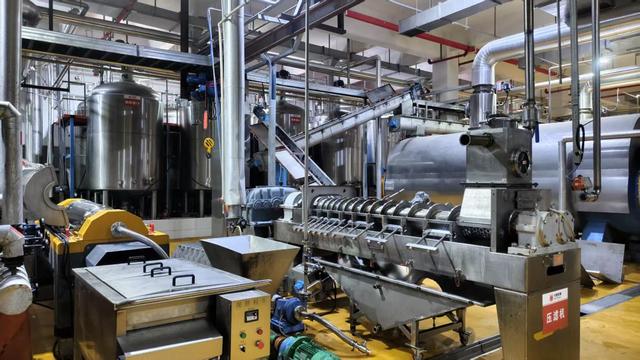
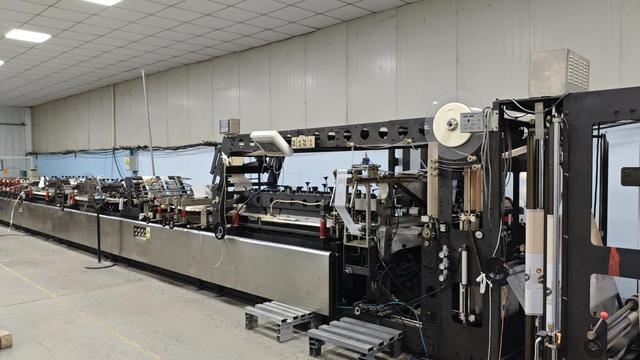
Our manufacturing complex spans over 32,000 square meters, incorporating 18,500 square meters of high-sanitation production workshops built to pharmaceutical design tolerances and 8,000 square meters of smart warehouse facilities running integrated, real-time inventory tracking for complete trace-back capability.
How we solve canine and feline digestive issues at a molecular level through physical processing and ingredient selection.
Large raw protein chains can trigger immunogenic responses in pets with sensitive digestive systems. We implement controlled enzymatic hydrolysis, reducing protein chains to less than 3,000 Daltons. These micro-peptides bypass systemic immune surveillance while retaining high bio-availability and rapid amino acid absorption in the proximal intestine.
We integrate clinically verified probiotics (such as Bacillus coagulans and Lactobacillus acidophilus) with prebiotics (Fructooligosaccharides, Mannanoligosaccharides) and natural plant fibers like pumpkin seed meal. This symbiotic pairing stimulates beneficial short-chain fatty acid (SCFA) production, which nourishes colonocytes and tightens intestinal gap junctions.
Oxidized fats are a major driver of acute vomiting and diarrhea in pets. Our factory utilizes thermal vacuum infusion technology. By drawing out atmospheric air inside the extruder before coating, we infuse lipid profiles (such as marine-sourced Omega-3 EPA/DHA) deep into the dry kibble matrix. This prevents oxidation, extends shelf-life, and ensures superior palatability.
Seamless international trade operations supported by multi-jurisdictional certifications and regulatory transparency.
Exporting specialty and veterinary pet diets requires compliance with diverse global regulatory frameworks. Since transition to intensive OEM/ODM services in 2017, Qingdao Nill Paws Co., Ltd. has developed robust compliance pipelines for North America, Europe, Southeast Asia, and the Middle East.
All sensitive stomach pet food batches are developed to meet AAFCO nutritional profiles. We provide raw ingredient sourcing dossiers, guaranteeing that no melamine, heavy metals, or prohibited animal byproducts enter the logistics pipeline.
Our processing runs match EU trace-back requirements, integrating sterilization processes (minimum thermal limits) to meet microbiological security thresholds, facilitating rapid customs processing at European points of entry.
Our factories run under HACCP hazard plans and ISO-certified management frameworks. Clean-in-place (CIP) protocols are verified by biological residue testing between separate runs to assure absolute purity for sensitive animal lines.
Translating laboratory insights into actionable nutritional solutions for consumer brands.
Puppies and senior pets present unique digestive stress profiles. Immature and senescent immune systems require specific amino acid ratios and highly soluble starches (such as sweet potato and tapioca) to reduce gut fermentation and flatulence.
Nill Paws is investing in dynamic diagnostic formulation modeling. By linking pet breed, age, and lifestyle parameters to specific ingredient combinations, our factory can generate custom extrusion setups to produce highly personalized functional foods.
As probiotics are sensitive to high-temperature extrusion processes, our R&D team is focusing on postbiotics—non-viable bacterial products or metabolic byproducts. Postbiotics withstand processing heat while delivering immune benefits directly to the lower gastrointestinal tract.
Scientific, regulatory, and industrial answers for pet brands, veterinarians, and commercial distributors.
We employ a rigorous sequence isolation strategy coupled with chemical verification testing. When shifting production between different protein matrices (e.g., from chicken-based to venison/fish hypoallergenic formulations), our line undergoes a mechanical purge followed by high-pressure steam cleaning of the extruder, dryers, and vacuum coaters. Swab testing for trace proteins is conducted to confirm allergen clearance before the subsequent batch runs.
We prioritize highly digestible, low-glycemic, and low-antigenic starch sources, primarily sweet potato, tapioca, and peas. These carbohydrates undergo optimized gelatinization during the extrusion phase, which breaks down complex starches into readily digestible forms, reducing colonic fermentation that causes flatulence and loose stools.
Standard extrusion temperatures (ranging from 100°C to 140°C) denature standard vegetative probiotic bacteria. Nill Paws resolves this by utilizing spore-forming probiotics like Bacillus coagulans, which survive thermal processing. Alternatively, we use advanced liquid post-extrusion vacuum coating to apply active probiotics combined with protective fat matrices at lower temperatures after the cooling phase.
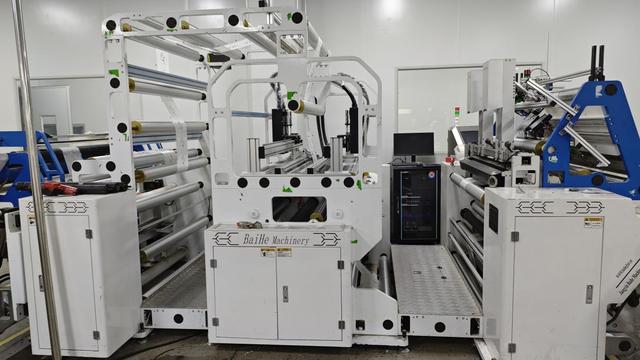
We offer flexible packaging systems, including quad-seal pouches, flat-bottom bags, and stand-up pouches with zip locks. For premium gut-health diets, we use nitrogen-flush technology to replace residual oxygen, preventing lipid oxidation and preserving the bioavailability of functional vitamins and probiotics.
Our standard MOQ for custom-formulated dry pet food kibbles is 3 to 5 metric tons per run. This threshold ensures stable thermal and pressure calibration during continuous extrusion, guaranteeing consistent density, kibble shape, and moisture distribution throughout the batch.
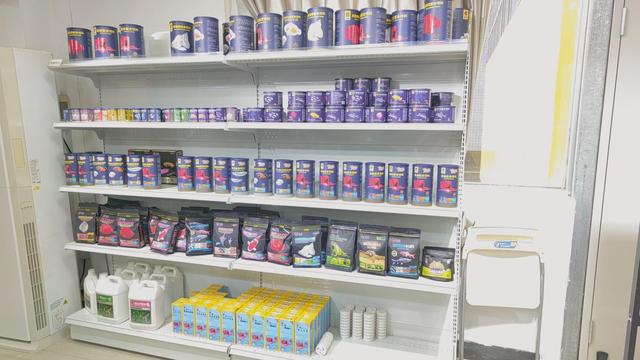
Explore our targeted nutritional solutions, containing custom probiotics, active liver-support supplements, and hypoallergenic meal bases.
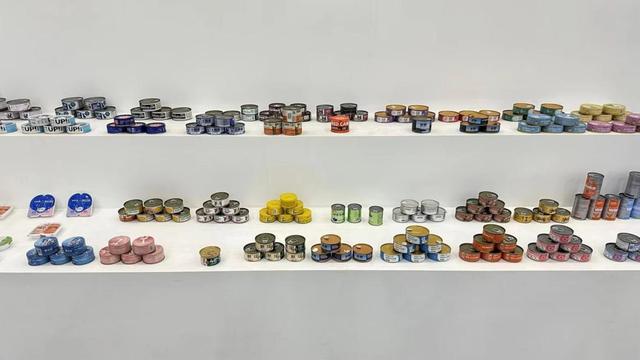
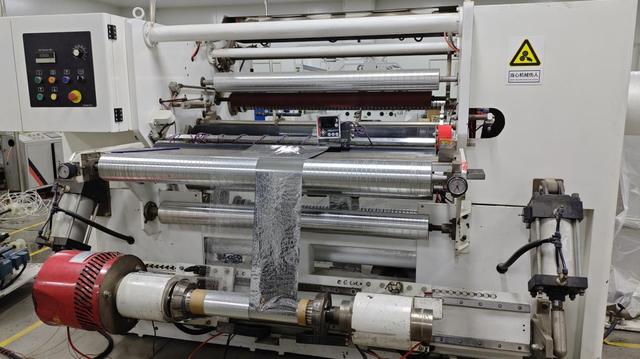
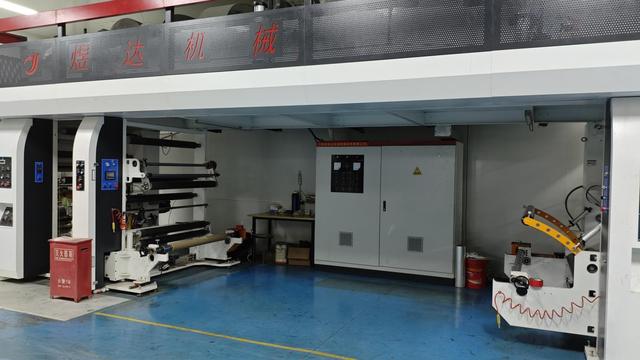
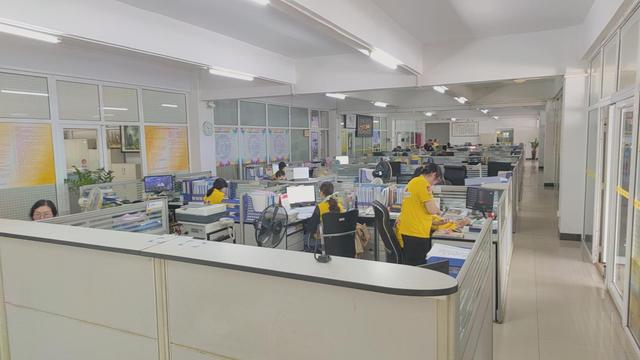
A visual tour inside Qingdao Nill Paws Co., Ltd.'s production facility, smart warehousing, and high-efficiency automated lines.
 Nill Paws