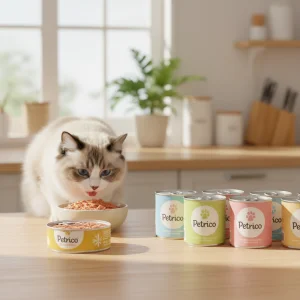
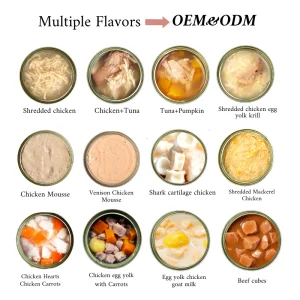
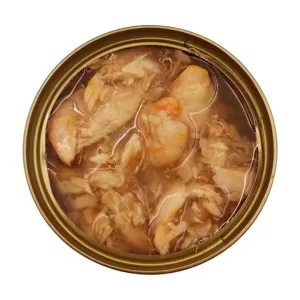
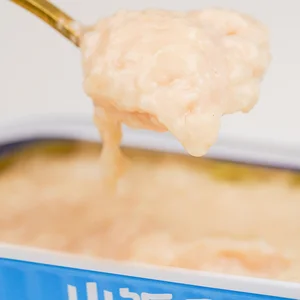
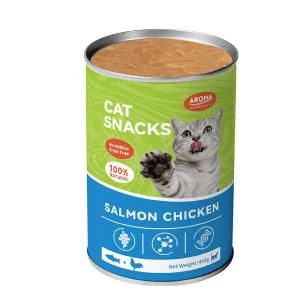
Advanced high-moisture formulations custom-tailored for Indonesian and global distribution channels.
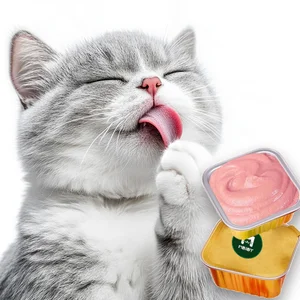
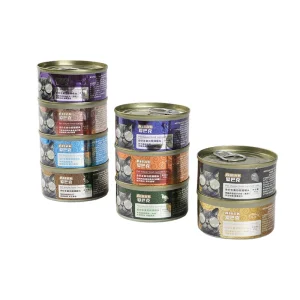
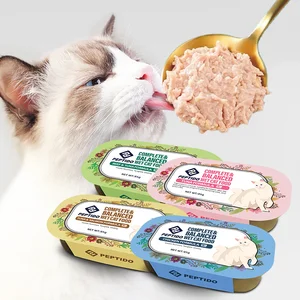
Indonesia's pet food sector is experiencing unprecedented growth, driven by rapid urbanization, an expanding middle class, and a profound shift toward pet humanization. Major urban centers such as Jakarta, Surabaya, Bandung, and Medan are leading the demand for premium pet care products. According to trade analysts, the domestic market for wet canned dog and cat food is growing at a double-digit CAGR. Unlike dry kibble, wet canned food is highly sought after by local pet owners due to its superior palatability, high moisture content, and resemblance to natural diets.
However, Indonesian importers, brand owners, and distributors face unique challenges. Local pet food production remains constrained by high infrastructure costs, limited specialized packaging machinery, and strict raw material quality control. Consequently, sourcing reliable wet canned food that complies with local regulations while maintaining global quality standards is critical. Importers look for factories that can satisfy the regulatory frameworks of the Indonesian Ministry of Agriculture, alongside strict Halal guidelines, while offering competitive manufacturing pricing.
While Indonesia is rich in raw marine ingredients (such as skipjack tuna and snapper), domestic factories often lack the high-capacity vacuum retort sterilizers and automated packaging machinery necessary for scale. This leads to batches with variable sterilization times, reducing shelf life and increasing biological contamination risks.
In Indonesia, BPOM (National Agency of Drug and Food Control) and the Halal Product Assurance Organizing Agency (BPJPH) regulate pet foods. Overseas exporters must offer comprehensive documentation, gelatin source traceability, and clean-line validation to bypass customs bottlenecks easily.
Understanding global supply chains, material sourcing shifts, and processing innovations.
The global pet food sector is undergoing a profound structural shift toward premiumization. Pet food formulations are no longer seen as simple by-product blends; they are formulated using human-grade science. Retort technology is the backbone of wet pet food canning. Using pressurized steam sterilization at temperatures typically ranging from 116°C to 121°C, manufacturers eliminate foodborne pathogens without the need for artificial preservatives. This process is key to lock in nutrition and retain high palatability.
Geopolitically, sourcing is transitioning toward specialized hub-and-spoke models. For example, brands in Southeast Asia often partner with major global manufacturing hubs in East Asia. This strategy leverages advanced food engineering capabilities, strict export compliance protocols, and robust economies of scale. High-protein wet foods, premium grain-free recipes, single-source protein mousses, and functional veterinary formulas require sophisticated manufacturing setups that only a select few factories globally can offer at scale.
For pet brands operating in Indonesia or scaling up globally, sourcing directly from advanced factories in China offers unmatched efficiency. Qingdao Nill Paws Co., Ltd. stands as a premier global pet food manufacturer. Established in 2011, the company has grown into a modern pet nutrition powerhouse integrating advanced R&D, high-speed automated production, and multi-market international distribution.
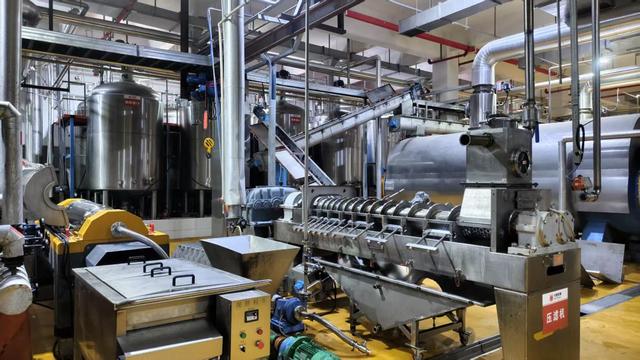
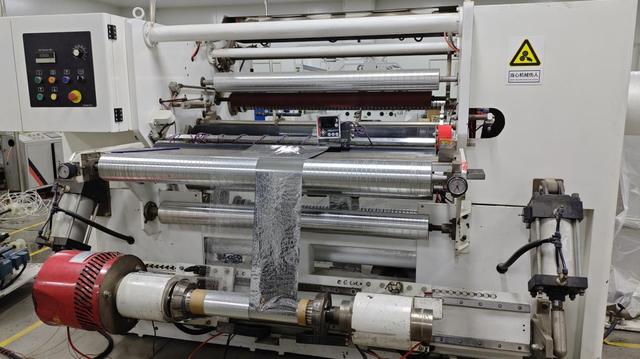
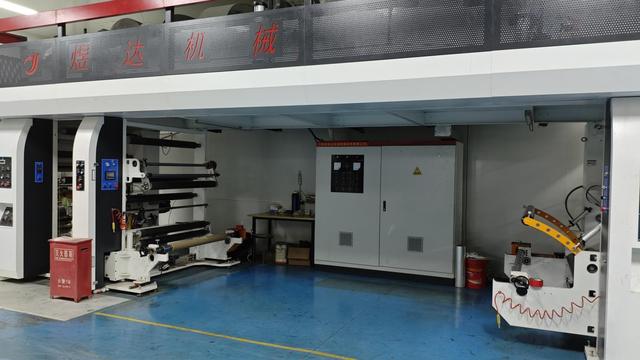
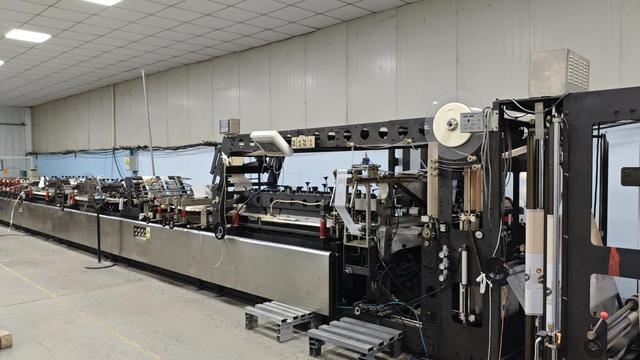
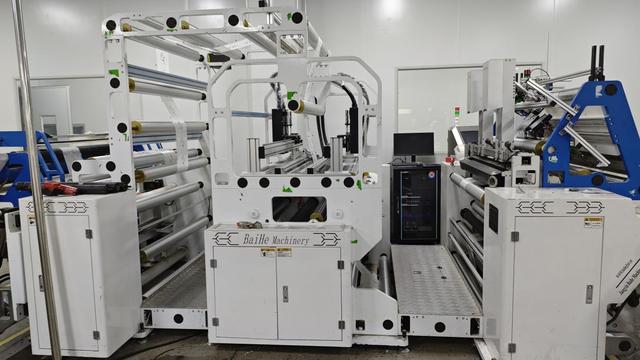
Spanning an impressive 32,000 square meters, Nill Paws' state-of-the-art facility includes 18,500 square meters of clean-room production workshops and 8,000 square meters of smart warehouse facilities. The company employs approximately 280 highly skilled workers, including 18 professional pet nutritionists and food engineers, ensuring formulation precision and strict batch-to-batch consistency. Equipped with 6 advanced automated production lines, Nill Paws delivers an annual capacity of 18,000 tons of premium wet and dry pet foods, utilizing vacuum emulsifiers, high-precision canning systems, and computerized retort chambers.
By blending advanced Chinese engineering with premium, globally sourced proteins, Nill Paws provides Indonesian importers and global distributors with a secure, highly competitive supply chain that maintains strict compliance with ISO, HACCP, and international customs entry parameters.

How specialized wet pet food addresses environmental and biological needs in Southeast Asia.
Indonesia's tropical climate features high temperatures and humidity year-round. Housebound pets, especially cats, often suffer from lower urinary tract diseases (FLUTD) due to chronic low water intake. Our high-moisture wet foods (78%-82% moisture) naturally boost hydration, supporting renal health and reducing struvite stone formation.
Pet owners in high-density areas like Jakarta and Surabaya prefer highly digestible wet food formulas. Low-ash, grain-free recipes containing emulsified mousses or fine shreds are easily broken down, minimizing gastrointestinal issues and drastically reducing fecal odor—a major benefit for indoor pet living.
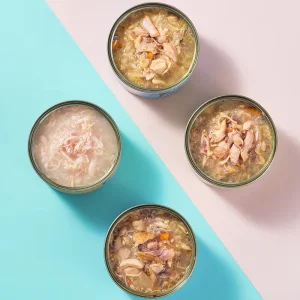
Under tropical heat stress, pets often experience loss of appetite. Formulations featuring rich amino acid profiles, wild-caught skipjack tuna, and pure chicken broths act as natural palatability enhancers. This makes them ideal for picky eaters and recovering pets.
When sourcing wet canned pet food for international markets, procurement managers must evaluate several critical parameters to ensure product quality and supply chain resilience:
B2B pet food buyers are increasingly moving away from synthetic thickeners, stabilizers, and artificial colorings. The modern consumer demands "clean labels" featuring real meat, essential vitamins, organic taurine, and natural gelling agents like agar-agar or carrageenan. By aligning with these specifications, brands can command premium pricing, build customer loyalty, and pass import inspections smoothly.
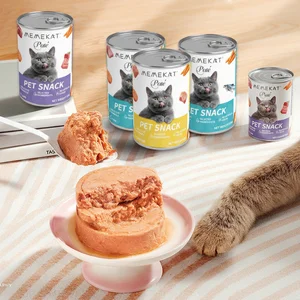
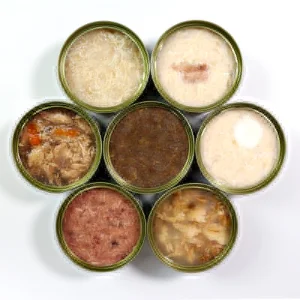
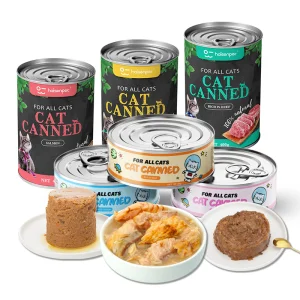
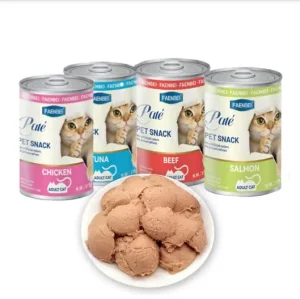
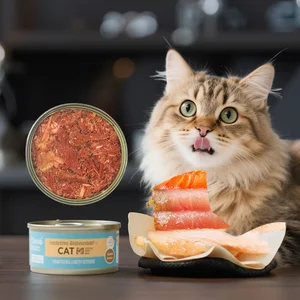
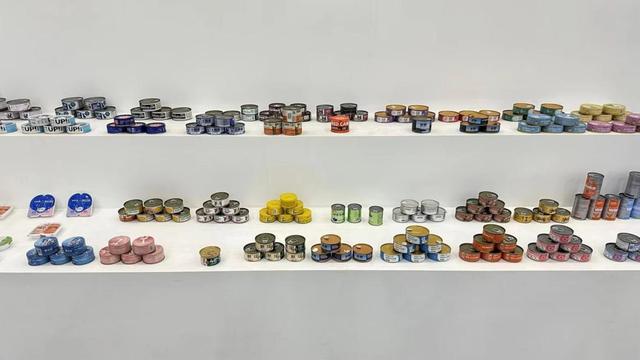
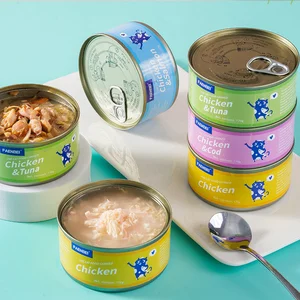
A comprehensive selection of premium canned formulas, available for global private labeling and OEM/ODM projects.
Essential insights for B2B buyers, distributors, and brands looking to import pet food into Indonesia.
 Nill Paws