Highly refined wet and freeze-dried pet foods engineered to eliminate food allergens while supporting canine and feline wellness patterns in metropolitan areas.
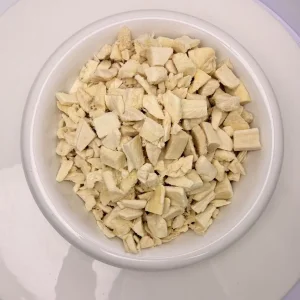
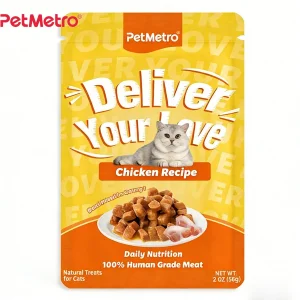
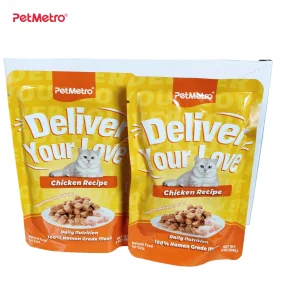
Chicago, serving as the historical industrial heart of the American meatpacking and agricultural sectors, is today a dominant hub for pet nutrition commerce. In the metropolitan Chicago market, extending through Cook County and the broader midwestern logistics corridors, the demand for premiumized functional pet diets has escalated significantly over the last five years.
This regional boom is driven by a highly educated base of pet owners prioritising veterinary-focused nutrition, grain-free alternatives, and single-source proteins. With local distribution networks branching out from O'Hare Cargo Terminals and regional inland ports, Chicago stands as a critical node for importing and distributing high-yield specialty pet products to mass-market and boutique retail channels alike.
Furthermore, the rising incidence of pet food sensitivities and dermatologist-level skin issues in urban canine and feline populations has catalyzed veterinary clinics and independent pet retailers to demand clean-label, hypoallergenic wet foods and freeze-dried toppers with zero artificial additives.
Access to prime intermodal rail hubs and logistics parks enables rapid inventory turnover and lower internal transit costs across North America.
Chicago consumers lean aggressively toward single-source animal proteins like duck, rabbit, or cod to treat chronic GI issues in domestic pets.
A macro-economical perspective on the functional pet food industry, showing global transition trajectories and market drivers.
International pet supply chains are actively shifting away from standard fillers (corn, soy, wheat gluten) toward hydrolyzed proteins and Novel Protein sources to mitigate pet immunological responses.
Global direct-to-consumer (D2C) channels and subscription models have created an unprecedented surge in customized dietary options, forcing brands to seek highly flexible manufacturing partners.
Stringent FDA, USDA, and European Commission food safety regulations require certified, trace-back supply lines, giving a distinct advantage to GMP and HACCP certified manufacturing operations.
As global shipping lanes optimize, the strategic synergy between Western distribution brands and advanced Chinese factories becomes a critical lever for profit margin optimization. Factories in China, specifically in major industrial pet hubs like Qingdao, offer massive operational and procurement advantages that are unmatched in domestic US facilities.
Qingdao Nill Paws Co., Ltd. is a professional Pet Food Manufacturer specializing in natural and nutritional dog and cat food solutions with full OEM/ODM capabilities for global pet brands. Established in 2011, the company has developed into a modern pet nutrition factory integrating R&D, production, quality control, packaging, and international distribution.
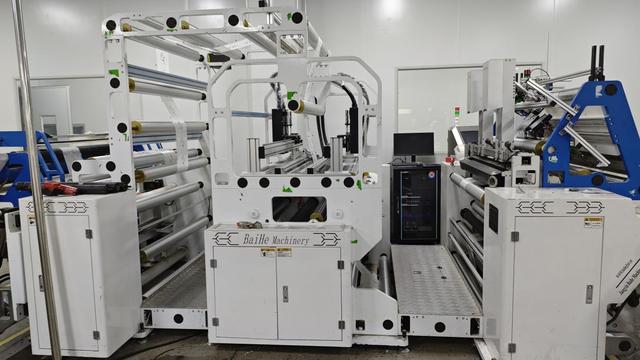
The company operates a manufacturing base covering approximately 32,000 square meters, including 18,500 square meters of production workshops and 8,000 square meters of smart warehouse facilities. With a workforce of around 280 employees, including 18 professional pet nutritionists and food engineers, Nill Paws ensures strong innovation and stable product quality. The factory is equipped with 6 advanced automated production lines, with an annual production capacity of up to 18,000 tons of pet food.
Over the years, Qingdao Nill Paws Co., Ltd. has expanded its product portfolio from basic dry pet food to a full range of grain-free nutrition formulas, high-protein diets, functional pet food, freeze-dried nutrition, and sensitive stomach solutions. The company follows strict international quality standards such as HACCP and ISO-based production management systems.
Send Inquiry Now for Custom OEM Solutions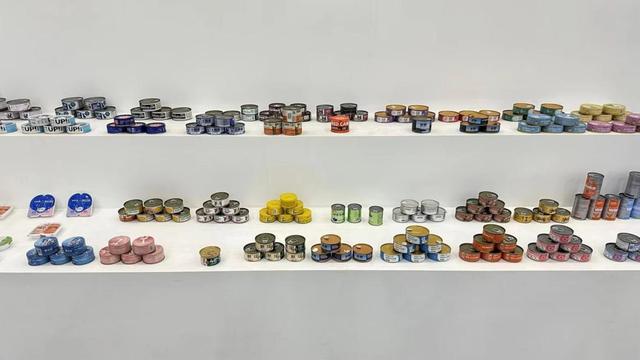
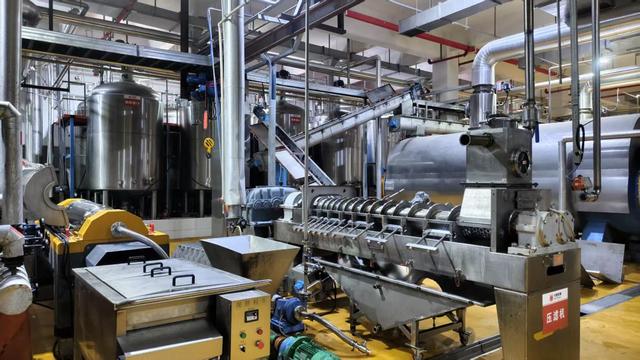
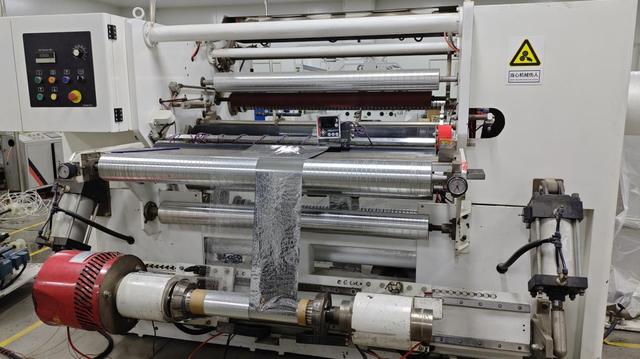
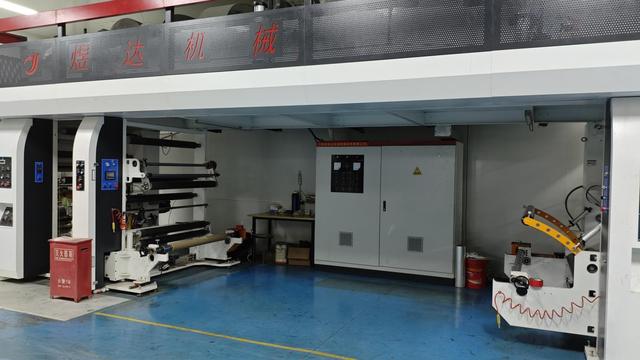
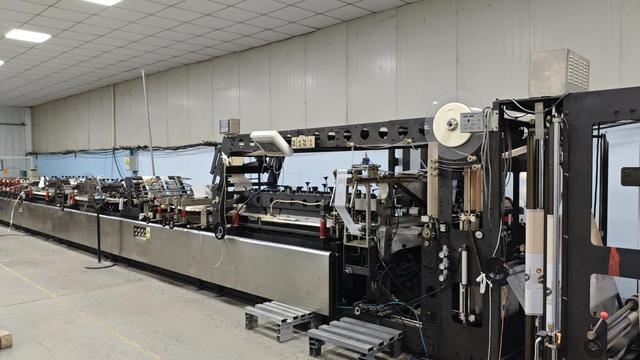

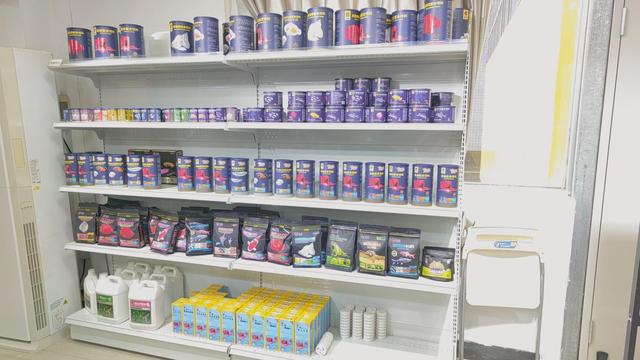
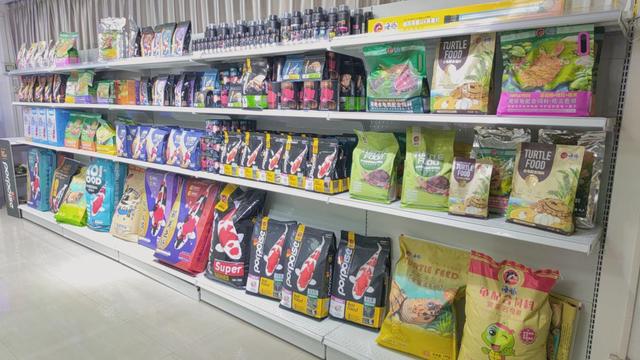
Highly customizable moisture-balanced cat and dog formulations optimized for digestion wellness.
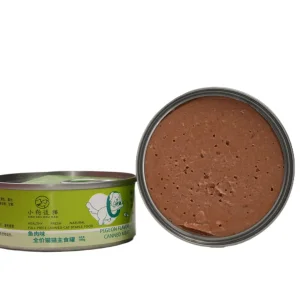
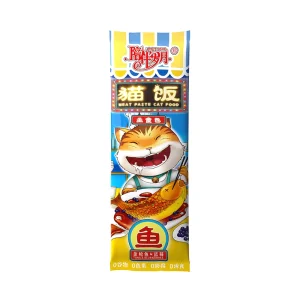
Adapting global manufacturing strengths to solve the specific environmental challenges of the Midwestern pet population.
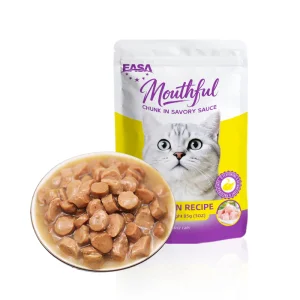
Chicago's dry, extreme sub-zero winter temperatures lead to decreased thirst drives in housebound cats. High-moisture broths and aspic-based jelly pouch diets ensure optimal urinary tract health during peak winter months.
With limited spatial exercise options in high-rise loop apartments, indoor cats and dogs require low-fat, highly digestible hypoallergenic inputs to prevent obesity and food-sensitivity-induced GI flare-ups.
Spring and fall in Illinois bring high spore and pollen indexes. A clean, single-source protein diet assists in lowering systemic inflammation, reducing skin itching and coat problems commonly misdiagnosed as purely environmental.
The pet nutrition industry is transitioning from simple allergen exclusion towards complex biotechnology integration. Modern brands must plan today for future market expectations.
Post-processing addition of heat-stable probiotic strains and gut-soothing digestive enzymes to preserve physiological benefits within wet pet food retort systems.
Increased manufacturing integration of novel proteins (duck, cod, goat milk) to bypass the highly sensitized immune responses triggered by traditional beef and poultry-derived proteins.
A shift from standard multi-layer plastic pouches toward recyclable retort materials that withstand sterilization while reducing the overall carbon footprint of imported goods.
Procurement officers in North America demand specific KPIs from international manufacturing partners:
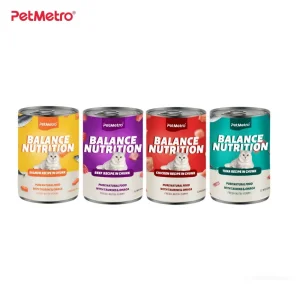
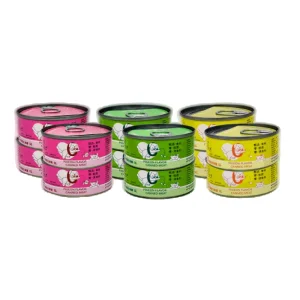
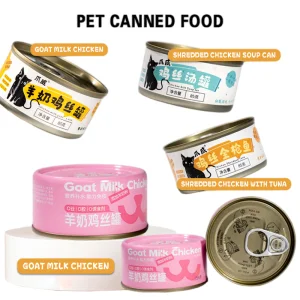
A systematic showcase of premium wet formulas, functional jellies, and milk-infused toppers designed for sensitive gastrointestinal systems.
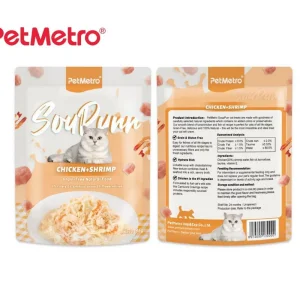
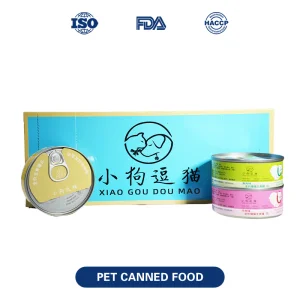
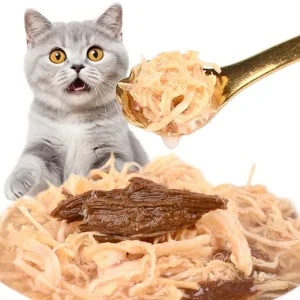
Addressing critical supply-chain inquiries regarding container logistics, formulation compliance, and bulk OEM pricing structures.
A genuine hypoallergenic diet removes common food allergens—such as beef, dairy, wheat, corn, soy, and chicken (for highly sensitive subjects)—and replaces them with hydrolyzed proteins or novel single-source proteins (like duck, cod, or venison) that the pet's immune system does not recognize as a threat. Strict clean-line manufacturing protocols are required during production to prevent cross-contamination.
We provide complete export documentation, including veterinary health certificates, origin certificates, and packaging compliance tests matching USDA and FDA specifications. Shipments are packed in high-density shipping containers at Qingdao Port and shipped directly to major US ports (e.g., LA/Long Beach or Prince Rupert) before rail transit transfers them to the Chicago intermodal terminals.
Our standard MOQ for custom-printed retort pouches or cans generally starts at 10,000 to 20,000 units per formulation. This allows us to calibrate our automated high-speed production lines and source raw ingredients cost-effectively to maintain low wholesale pricing for our partners.
Yes. Our internal R&D team, composed of 18 pet nutritionists and food safety engineers, can design recipes tailored to digestive care, joint support, hairball control, weight management, or renal support. We work closely with our clients to adjust viscosity, moisture levels, protein sources, and nutrient profiles.
Get a customized quotation, request ingredient sheets, or schedule a virtual tour of our 32,000㎡ smart manufacturing facility in Qingdao.
Send Inquiry Now Nill Paws