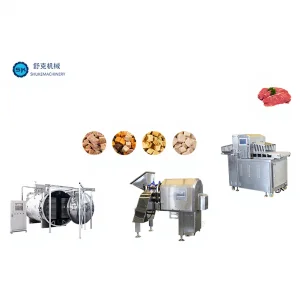
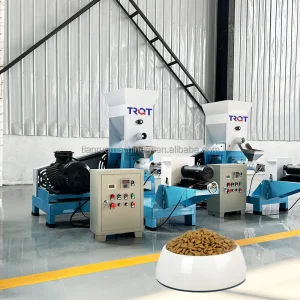
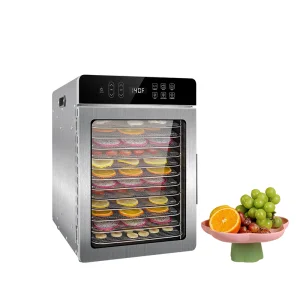
High-capacity processing hardware and private-label nutritional formulations engineered for the demanding pet food market of Morocco.
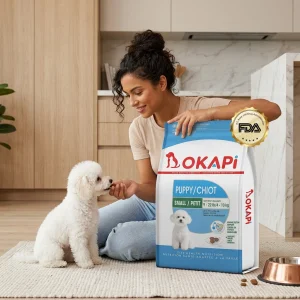
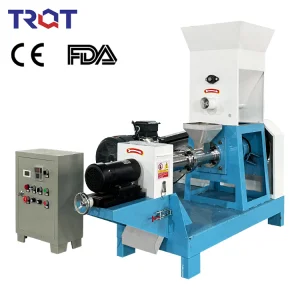
The Kingdom of Morocco is witnessing a structural transformation in its pet care and agricultural manufacturing industries. Driven by rapid urbanization in cities like Casablanca, Rabat, Tangier, and Marrakech, and a significant cultural shift toward pet humanization, the demand for high-quality, shelf-stable, and nutritionally complete pet food has surged exponentially. Historically reliant on European imports, Moroccan distributors and local agribusiness conglomerates are aggressively seeking to establish domestic manufacturing capacities to mitigate import duties, currency fluctuations, and global supply chain disruptions.
The pet food market in North Africa is evolving from low-cost, grain-heavy dry kibble to premium, biologically appropriate diets. Among these, Dehydrated Pet Food Systems have emerged as the gold standard. Dehydration offers a unique advantage for the Moroccan climate: it preserves fresh meat, fish, and agricultural ingredients without the need for cold-chain logistics, which can be highly complex and costly in warmer regions. By removing moisture to levels below a water activity index (aw) of 0.6, industrial food dryers prevent microbial spoilage while retaining the enzymatic integrity, natural aromas, and raw nutrients of premium proteins.
Morocco boasts abundant agricultural resources, particularly fresh poultry from the Souss-Massa region and rich marine proteins from the Atlantic coastline. Dehydration factories utilize this local abundance, turning raw products into premium pet food.
Under the free trade agreements with the European Union, the United States, and the African Continental Free Trade Area (AfCFTA), Morocco-based pet food factories are uniquely positioned as strategic export hubs.
Traditional rendering facilities are transitioning to state-of-the-art extrusion and multi-stage drying systems to meet international food safety requirements, including HACCP, ISO 22000, and European export norms.
In modern pet food engineering, raw-to-dry conversion is not merely about heating; it is a highly controlled thermodynamic process. Industrial-scale pet food dehydration requires precision balance between dry-bulb temperature, relative humidity, and airflow velocity. If the drying rate is too fast, case hardening occurs—a phenomenon where the exterior layer of the kibble or meat treat dries too quickly, sealing moisture inside and leading to rapid mold growth during storage. Conversely, drying too slowly at low temperatures can encourage bacterial proliferation.
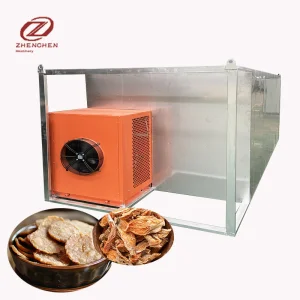
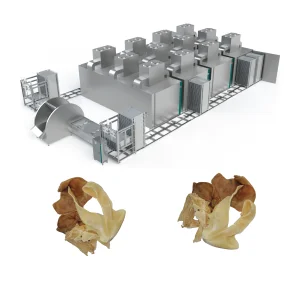
While high-shear twin-screw extruders are the industry standard for traditional dry kibble (creating the starch gelatinization necessary for structure and palatability), low-temperature heat-pump dehydration is preferred for premium treat products, dried organs, and high-meat-inclusion formulations. Heat pump dehydrators recycle latent heat from moist air, reducing electricity consumption by up to 60% compared to traditional open-cycle electrical heating element dryers. This is highly crucial for Moroccan manufacturing facilities looking to optimize their utility margins amid changing local energy tariffs.
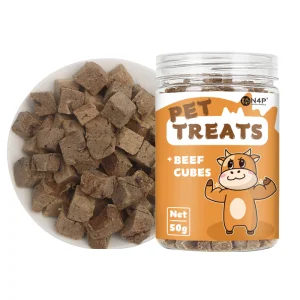
Modern factories utilize PLC (Programmable Logic Controller) systems to execute multi-stage drying profiles. For instance, the drying cycle starts with high-temperature convective heating to reach the pasteurization temperature of raw meats (such as chicken or beef cubes), followed by a gradual step-down in temperature paired with dry-air purging. This preserves the delicate protein matrices, color, and vital amino acids like taurine, resulting in a finished product that is highly digestible and attractive to pets.
As a global leader in high-performance pet nutrition and advanced processing technologies, Qingdao Nill Paws Co., Ltd. stands at the forefront of the international pet food manufacturing ecosystem. Established in 2011, the company has grown into a highly specialized manufacturer, partnering with international pet brands across Europe, North America, Southeast Asia, and the Middle East, with a growing focus on the developing Moroccan and African markets.
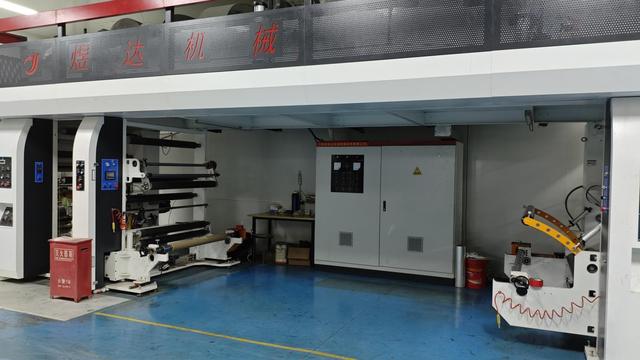
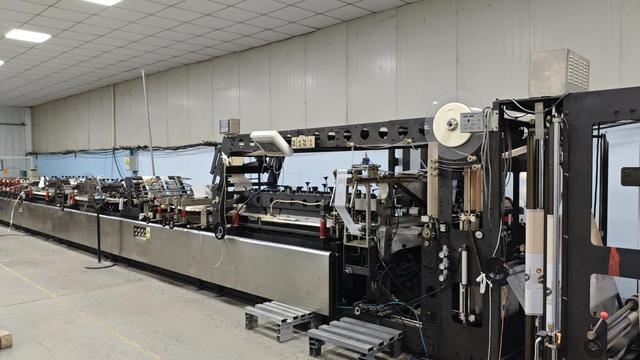
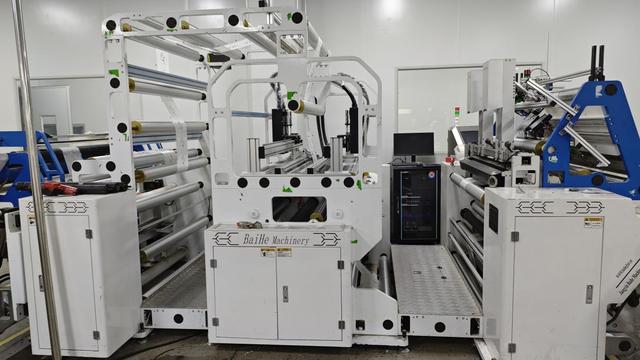
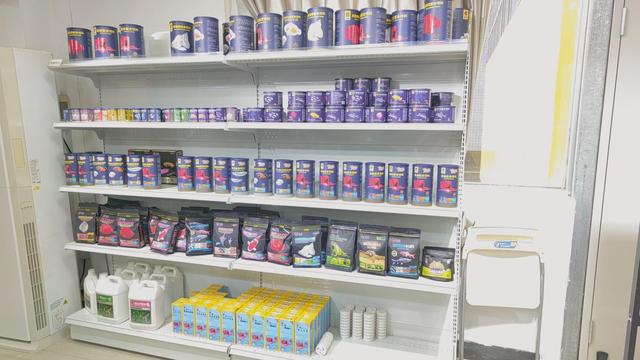
Operating a massive industrial manufacturing base covering approximately 32,000 square meters, our facilities include 18,500 square meters of highly automated production workshops and 8,000 square meters of intelligent, climate-controlled warehousing. Our workforce of 280 skilled personnel is anchored by an elite team of 18 professional pet nutritionists and food scientists who oversee custom recipe formulation, thermal processing parameters, and microbiological quality control. With 6 advanced automated production lines, Nill Paws boasts an annual output capability of 18,000 metric tons of pet food, offering clients unmatched scalability, speed-to-market, and manufacturing resilience.
Partnering with a China-based Industry 4.0 pioneer like Qingdao Nill Paws gives Moroccan distributors and global pet brands a distinct competitive advantage. By leveraging advanced automation, high-speed automated packaging, real-time batch monitoring, and global logistical hubs, we deliver high-spec products at optimized unit costs. Our supply chain resilience ensures consistent raw material sourcing, rigid quality controls under HACCP and ISO parameters, and stable, timely delivery. We handle everything from bulk ingredient procurement to finished-product packaging designs optimized for European and Moroccan import standards.
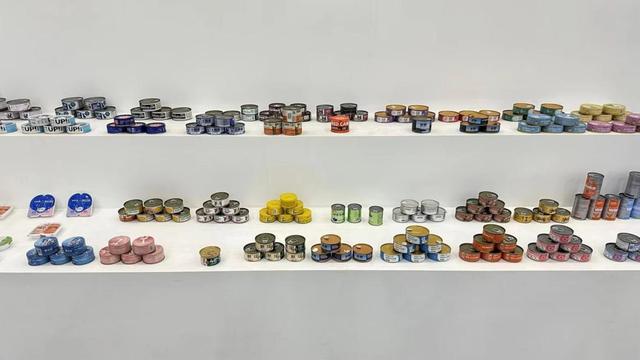
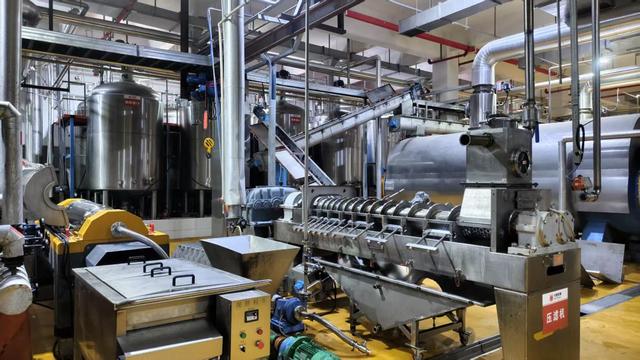
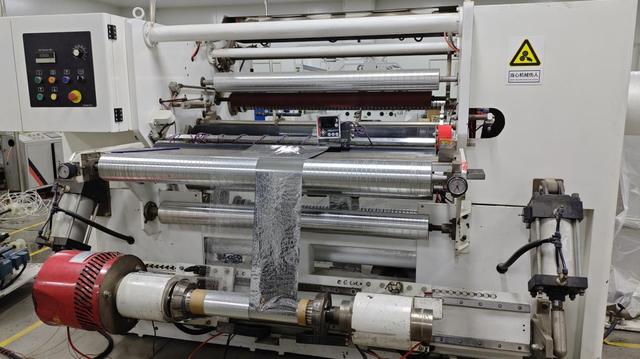

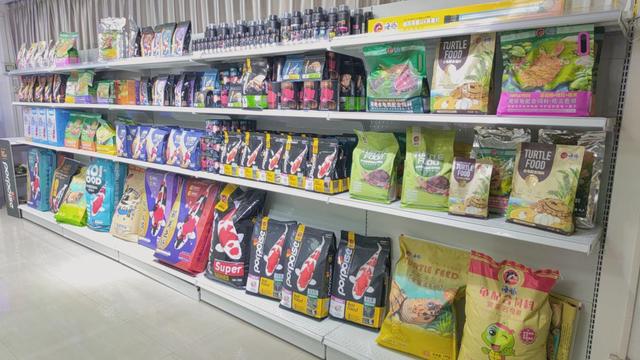
To successfully launch a pet food brand or operational facility in Morocco, it is critical to tailor production setups to the realities of local supply chains, customs regulations, and consumer buying habits.
With Morocco being one of the world's leading exporters of canned sardines and mackerel, coastal processing hubs generate high volumes of nutrient-dense fish by-products. By installing our automated twin-screw extruders and belt dehydrators adjacent to these fish processing zones, manufacturers can create high-protein, omega-3 rich kibbles. These formulations are ideal for premium cat foods and are highly sought after by European markets.
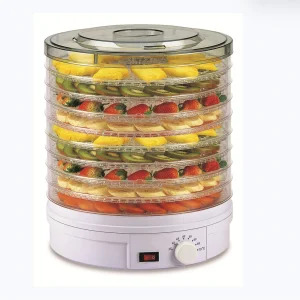
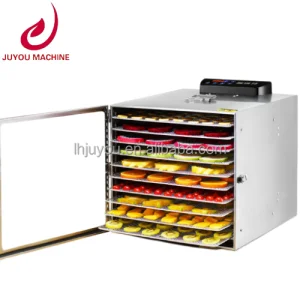
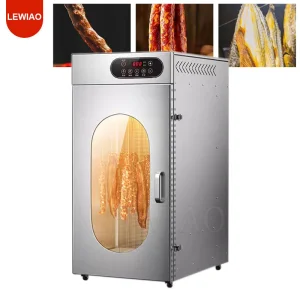
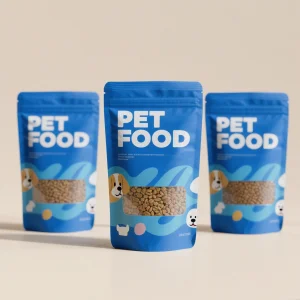
For entrepreneurs launching artisanal or high-end local treats (such as dried beef liver or chicken breast jerky), the DH-K03 T40-A 40-Tray Heat Pump Dehydrator provides a perfect entry point. Operating on standard commercial voltages, this system allows localized startups to dry high-value agricultural by-products cleanly, packaging them in custom-printed resealable Mylar pouches to challenge imported Western premium brands.
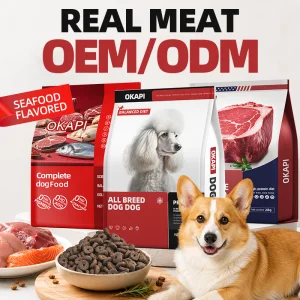
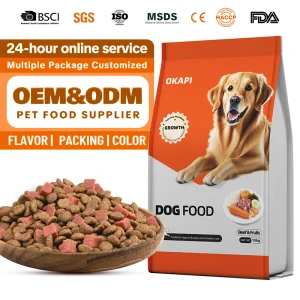
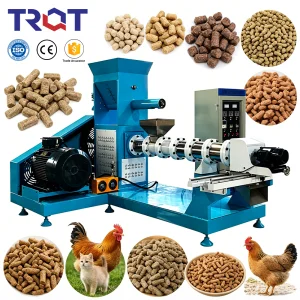
For major agribusinesses in cities like Kenitra or Fez, establishing a complete dry pet food manufacturing line with capacities ranging from 300kg/h to 1000kg/h is key. By coupling automated raw material dosing, wet-mixing, twin-screw steam extrusion, and continuous multi-pass drying, factories can supply the domestic mass market with affordable, nutritious dog and cat food, replacing expensive imports.
Explore our complete range of processing machinery, raw ingredient formulations, and custom packaging systems available for import to the Morocco market.
Get answers to critical technical and logistical questions about launching pet food dehydration factories in Morocco.
 Nill Paws