Engineered for thermal performance, precision dosing, and scaling capacities to meet the stringent commercial guidelines in the Australian market.
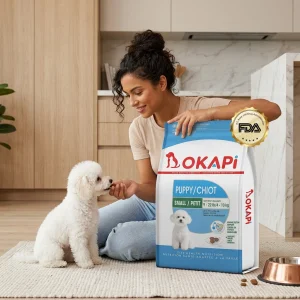
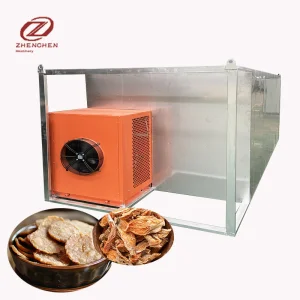
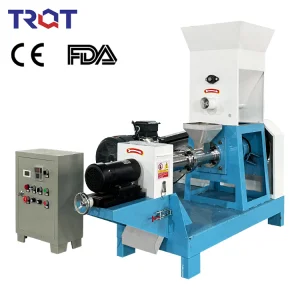
The pet food sector in Australia is undergoing a rapid transition toward biologically appropriate raw food (BARF) and premium air-dried or cold-dehydrated nutritional options. Driven by consumer demands for nutrient preservation, pet food companies in states like Victoria, New South Wales, and Queensland are shifting away from traditional high-heat retort methods. They are moving towards advanced low-temperature dehydration processes.
To succeed in this market, machinery must maintain structural integrity, control thermal degradation, and preserve crucial vitamins, active enzymes, and raw proteins without structural collapse. Developing solutions for this sector requires equipment that allows exact thermodynamic monitoring, precise moisture target thresholds (typically under 8-10%), and robust, reliable sanitization protocols (pathogen validation steps for Salmonella and Listeria).
Information Gain Indicator: Thermodynamic air-drying dynamics depend on the Equilibrium Moisture Content (EMC). High-efficiency heat pump drying units balance dry-bulb temperatures with controlled humidity to pull moisture from pet treats while maintaining cellular integrity.
Exporting machinery and raw food systems to Australia requires strict compliance with domestic standards. The Department of Agriculture, Fisheries and Forestry (DAFF) enforces biosecurity protocols designed to keep pathogens out of the native food chain. Pet food production lines must support thorough sanitization and clean-in-place (CIP) protocols.
All processing equipment must feature Food Grade SUS304 or SUS316 stainless steel to eliminate contamination. Furthermore, industrial controllers and mechanical units must conform to AS/NZS electrical compliance rules (specifically around phase balances, IP66 washdown ratings for switchboards, and CE/RCM marking verification). Equipment sourced from overseas must pass these local verification hurdles to guarantee seamless operation.
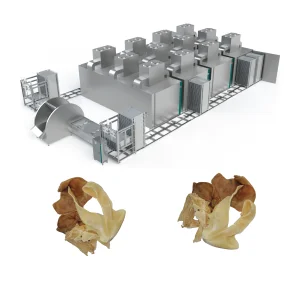
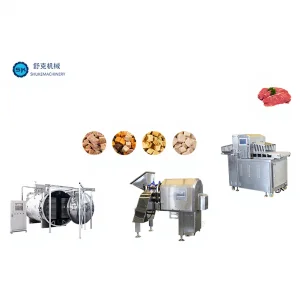
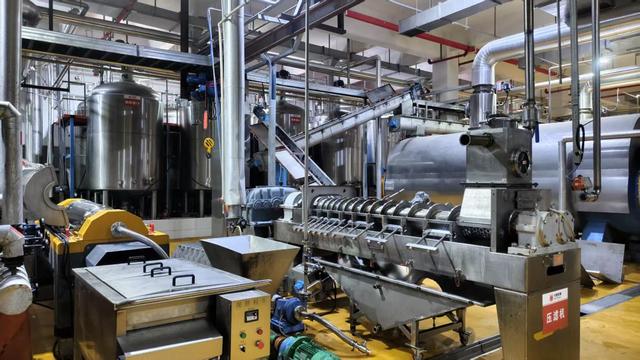
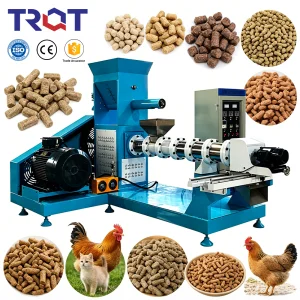
Modern dehydrated pet food production utilizes a two-tier mechanism: twin-screw extrusion followed by low-temperature air-drying. The twin-screw extruder provides high shear, temperature, and pressure control to gelatinize starches and texturize proteins. This step is followed by precise drying to prevent case hardening, a defect where the outer layer of a kibble dries too quickly and traps moisture inside.
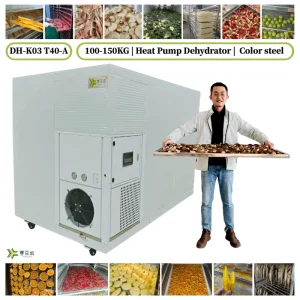
Our systems use closed-loop heat pump drying technology. By recirculating dehumidified air, these dryers run at a fraction of the cost of standard steam or diesel heating setups, achieving a high Coefficient of Performance (COP).
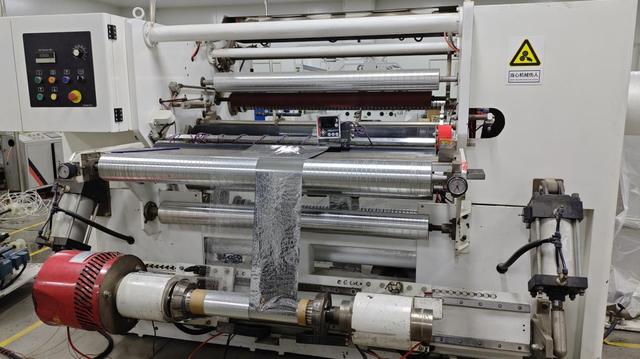
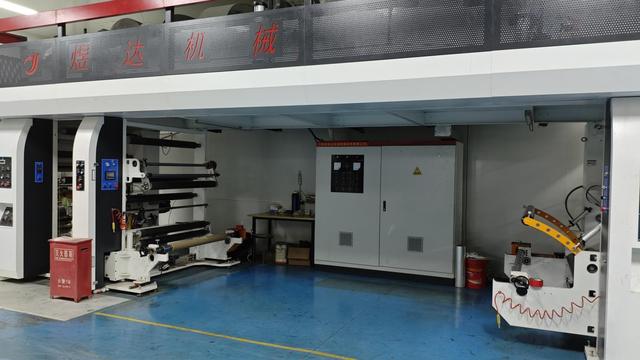
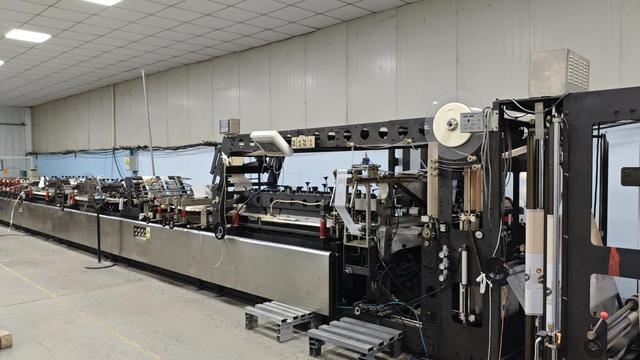
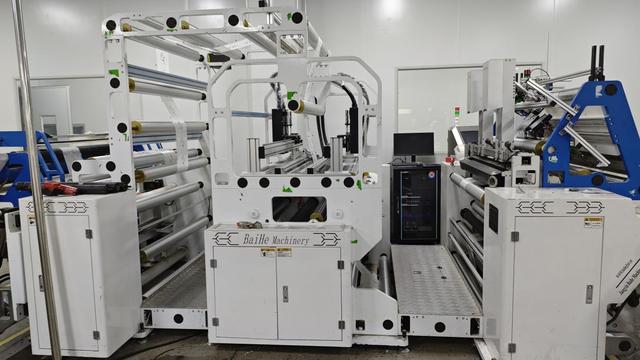
With manufacturing facilities based in Qingdao, China, pet food brands benefit from robust structural supply chains, custom configuration capabilities, and rapid R&D turnaround times. Leveraging Chinese engineering means lower capital expenditure compared to European machinery, without compromising on component quality (employing international parts like Siemens PLCs, Omron thermostatic regulators, and SEW-Eurodrive motors). This ensures high uptime, readily available spare parts, and reliable production for Australian pet brands.
A premier global pet food manufacturer and process equipment integration group with a modern manufacturing footprint.
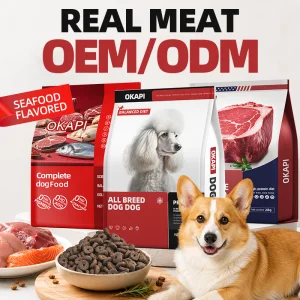
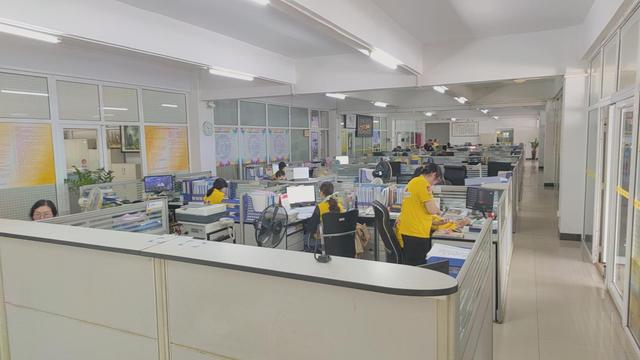
Qingdao Nill Paws Co., Ltd. is a professional Pet Food Manufacturer specializing in natural and nutritional dog and cat food solutions with full OEM/ODM capabilities for global pet brands. Established in 2011, the company has developed into a modern pet nutrition factory integrating R&D, production, quality control, packaging, and international distribution.
The company operates a manufacturing base covering approximately 32,000 square meters, including 18,500 square meters of production workshops and 8,000 square meters of smart warehouse facilities. With a workforce of around 280 employees, including 18 professional pet nutritionists and food engineers, Nill Paws ensures strong innovation and stable product quality. The factory is equipped with 6 advanced automated production lines, with an annual production capacity of up to 18,000 tons of pet food.
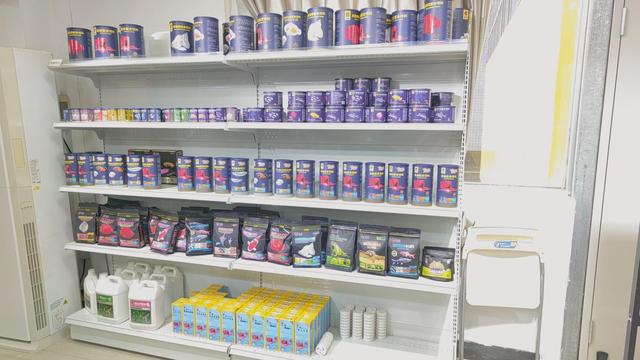
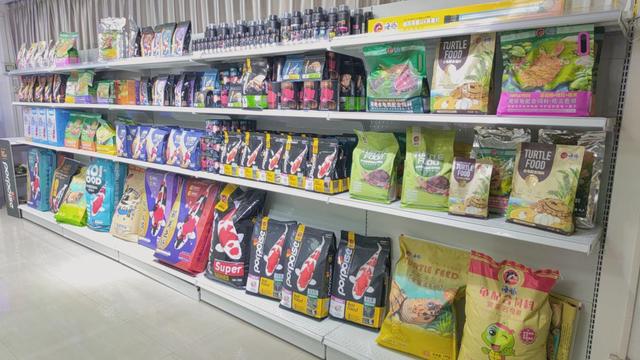
Over the years, Qingdao Nill Paws Co., Ltd. has expanded its product portfolio from basic dry pet food to a full range of grain-free nutrition formulas, high-protein diets, functional pet food, freeze-dried nutrition, and sensitive stomach solutions. The company follows strict international quality standards such as HACCP and ISO-based production management systems. Since 2017, the company has focused on OEM/ODM services, providing private label solutions for clients in Europe, North America, Australia, Southeast Asia, and the Middle East.
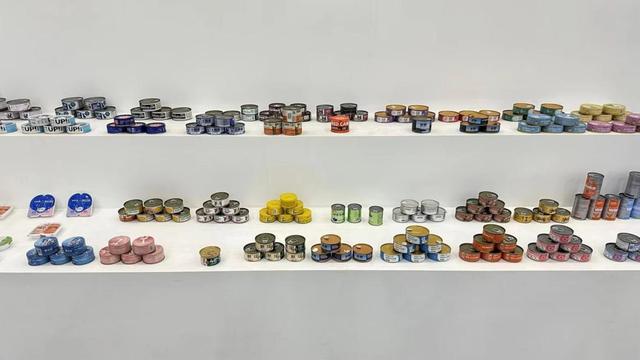
Expert information addressing key concerns regarding pet food processing technology, import processes, and structural engineering compliance.
From twin-screw high-throughput extruders to custom packaging, these products support commercial expansion across Australia.
Connect with our project engineering team. We offer design support, voltage configuration, and documentation assistance for imports into Australia.
 Nill Paws