The global pet food industry is undergoing an unprecedented shift toward premiumization, driven by the anthropomorphization of pets and a heightened consumer awareness of animal nutrition. Central to this paradigm is the demand for premium, traceable, and highly functional protein sources. For pet food brand owners, manufacturers, and exporters, choosing the right protein is no longer just a pricing decision—it is a critical formulation variable that affects digestibility, hypoallergenic positioning, technical stability, and regulatory compliance across diverse international markets.
As a leading partner in pet nutrition R&D and supply chain optimization, Qingdao Nill Paws Co., Ltd. produces high-performance dietary solutions that cater to this dynamic environment. Utilizing advanced dry-extrusion, fresh-meat injection, and state-of-the-art freeze-drying systems, we empower global brands to leverage high-bioavailability proteins while keeping processing overheads low. Below, we provide a definitive, technical overview of the Top 10 Protein Sources for Pet Food Manufacturing, mapping out their chemical properties, manufacturing behaviors, and strategic commercial roles.
The table and comprehensive breakdown below detail the amino acid profiles, processing considerations, and suitability factors for the leading proteins used by global exporters and manufacturers.
| Protein Category | Digestibility Coefficient | Common Dry Ash Range | Typical Moisture Inclusion Limit | Primary Regulatory Alignment |
|---|---|---|---|---|
| Chicken Meal (Low Ash) | 88% - 92% | < 10% | Up to 35% in Pre-Conditioner | AAFCO / FEDIAF compliant |
| Fresh Beef / Pork | 90% - 94% | N/A (Wet) | Up to 80% (Via Fresh-Meat Injection) | USDA / GACC approved sourcing |
| Hydrolyzed Feather/Poultry | 94% - 98% | < 4% | Up to 15% (Powder Additive) | EU Regulation 142/2011 compliant |
| BSFL (Insect Meal) | 84% - 89% | 6% - 8% | Up to 20% in Master Mix | AAFCO Tentative / EU Approved |
| Pea Protein Isolate | 80% - 85% | < 5% | Up to 25% (Requires Amino Balancing) | Globally accepted |
The production of premium pet food requires a precise, temperature-controlled manufacturing process to preserve the nutritional value of heat-sensitive proteins. Below is the technical roadmap followed by modern factories like ours:
Fresh and frozen meats are emulsified using high-shear pumps at 4°C, preventing bacterial growth while ensuring a consistent, pumpable slurry for direct extruder injection.
The starch matrix is gelatinized and proteins are structured under high pressure (30–40 bar) and temp (110°C–130°C) for 15–30 seconds. This sterilizes the kibble while preserving essential amino acids.
Under negative pressure, lipids and heat-sensitive digests are pulled deep into the micro-pores of the extruded kibble, securing consistent nutrient delivery without oily surfaces.
As international supply chains face persistent bottlenecks, Chinese pet food manufacturers present a robust and reliable option for global sourcing. Headquartered in Qingdao, a major deep-water logistics hub, Qingdao Nill Paws Co., Ltd. offers a reliable supply chain backed by high-capacity, state-of-the-art facilities.
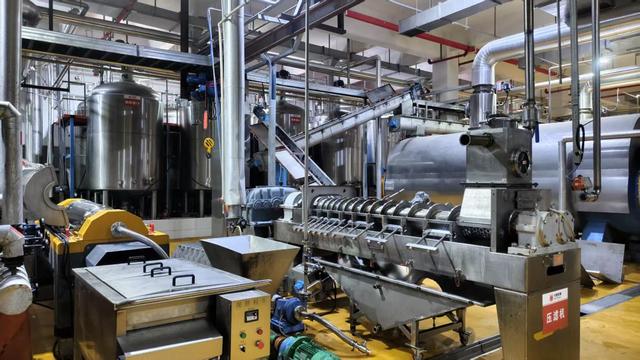
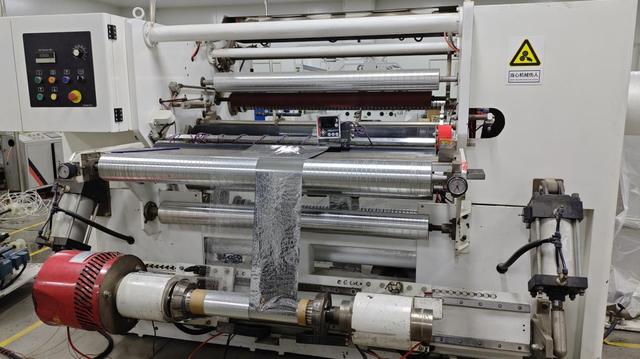
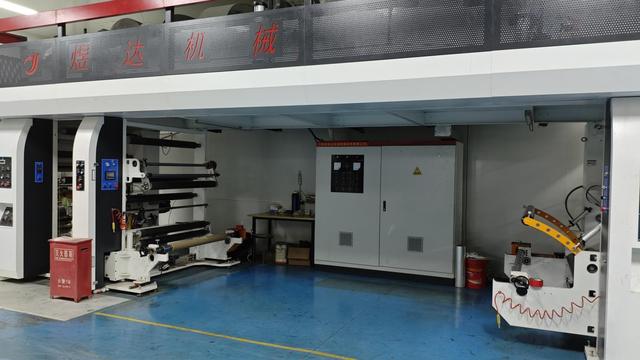
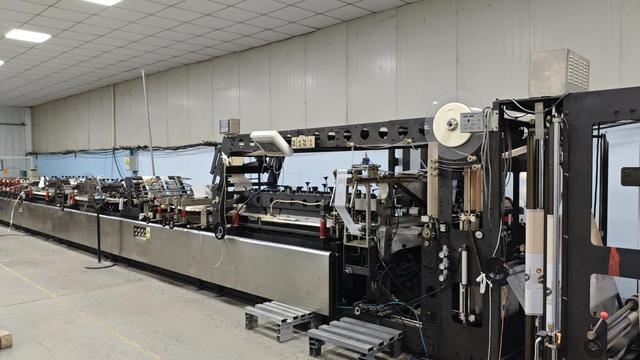
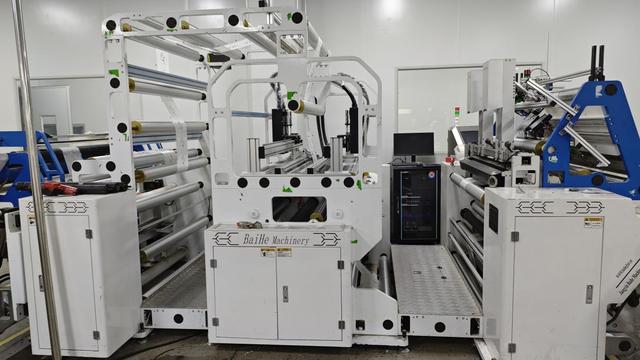
Operating a production footprint of 32,000 square meters, our facilities include 18,500 square meters of production workshops and 8,000 square meters of smart warehouse facilities. The integration of high-throughput automated machinery with digital tracking ensures consistent production scheduling, shielding our international partners from market volatility and raw material delays.

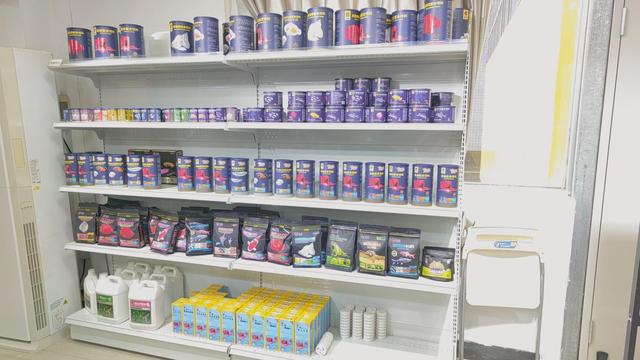
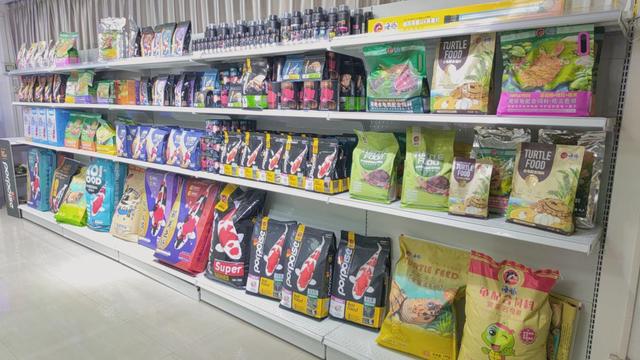
Pet nutrition requirements and ingredient preferences vary significantly by region. Exporters must tailor their protein choices to local market conditions and regulations:
Qingdao Nill Paws Co., Ltd. works under rigorous international quality management systems, including HACCP and ISO 9001/22000. This comprehensive compliance structure ensures smooth customs clearance and regulatory alignment in major importing regions globally.
 Nill Paws