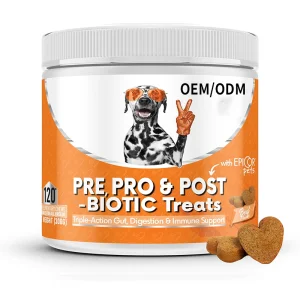
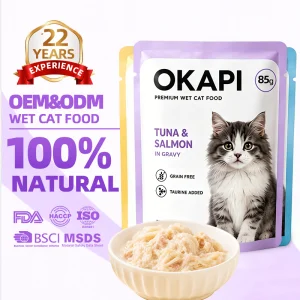
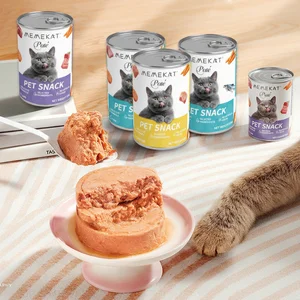
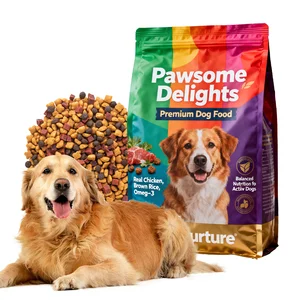
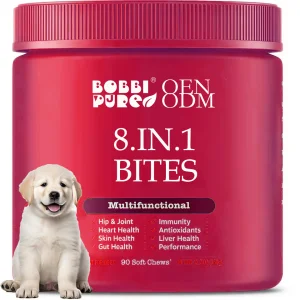
Scientifically engineered and highly bioavailable formulations for global private label deployment.
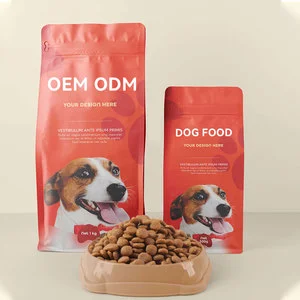
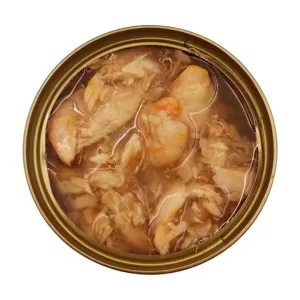
Mapping the soaring B2B demand for musculoskeletal prophylactic and therapeutic diets.
Global Joint Care Market By 2028
Brands Transitioning to Functional Formulas
Prevalence of Canine Osteoarthritis
Our Annual Production Capacity
The global pet food sector is undergoing a profound structural transition. Driven by the humanization of pets and a paradigm shift from reactive veterinary treatments to preventative medical nutrition, functional diets have captured a substantial share of consumer spending. Within this premiumized ecosystem, joint and mobility health stands as a primary market sector. According to veterinary epidemiological data, over 20% of the canine population and approximately 60% of cats aged over six years exhibit radiographic signs of osteoarthritis (OA) or degenerative joint disease (DJD).
For pet brand owners, distributors, and bulk purchasers, procuring scientifically validated joint diets is no longer just a catalog expansion; it is a critical strategy to retain consumer trust. The manufacturing landscape requires strict compliance with food science engineering, high bioavailability of active therapeutic compounds, and stable processing techniques that preserve thermal-sensitive ingredients. Our manufacturing solutions address this structural gap, offering turnkey OEM/ODM capabilities to transform biological ingredients into market-leading, high-demand pet foods.
Joint degradation in companion animals involves progressive cartilage erosion, subchondral bone remodeling, and chronic synovitis. The extracellular matrix (ECM) of articular cartilage consists predominantly of Type II collagen fibers and proteoglycans (particularly chondroitin sulfate and hyaluronic acid). As pets age or undergo mechanical stress, the rate of matrix catabolism (driven by matrix metalloproteinases, or MMPs) outpaces anabolism. This triggers an inflammatory cascade dominated by Prostaglandin E2 (PGE2) and Interleukin-1 Beta (IL-1β).
Scientific Insight: Prophylactic intervention via functional diets offers a non-invasive, long-term pathway to downregulate inflammatory markers and stimulate chondrocyte proliferation. This approach minimizes reliance on Non-Steroidal Anti-inflammatory Drugs (NSAIDs), which can present adverse effects over extended durations.
A therapeutic joint diet relies on the synergy of targeted active ingredients. Compounding these molecules in dry kibble, wet food, or specialty treats demands advanced raw material stabilization and precise dosage levels:
| Bio-Active Ingredient | Biological Mechanism | Target Concentration (Recommended) | B2B Manufacturing Challenge |
|---|---|---|---|
| Glucosamine Hydrochloride / Sulfate | Precursor for glycosaminoglycan (GAG) synthesis; stimulates chondrocyte repair. | 800 - 1500 mg/kg dry matter | Requires high-purity sourcing to prevent heavy metal contamination. |
| Chondroitin Sulfate (Bovine/Marine) | Inhibits destructive enzymatic pathways (MMPs) in joint fluid; retains moisture in cartilage. | 500 - 1000 mg/kg dry matter | Synergizes with Glucosamine; requires precise balance ratios. |
| Methylsulfonylmethane (MSM) | Organic sulfur donor; reduces oxidative stress and decreases joint inflammatory responses. | 400 - 800 mg/kg dry matter | Highly sensitive to high thermal extrusion heat profiles. |
| Green-Lipped Mussel (GLM) | Rich in ETA (eicosatetraenoic acid) and unique omega-3s; powerful anti-inflammatory. | 0.5% - 2.0% inclusion level | Requires low-temperature vacuum drying to preserve delicate lipid profiles. |
| Hydrolyzed Collagen Type II | Provides bioavailable peptides for cartilage matrix reconstitution. | 1000 - 2500 mg/kg dry matter | Requires precise enzymatic hydrolysis control for targeted peptide sizing. |
Traditional high-temperature, high-pressure extrusion (HTHP) often degrades functional ingredients. At our manufacturing facility, we leverage specialized technological processes to guarantee high bio-activity retention:
Qingdao Nill Paws Co., Ltd. - Your trusted partner in advanced pet nutrition manufacturing.
Operating a manufacturing base covering approximately 32,000 square meters, including 18,500 square meters of production workshops and 8,000 square meters of smart warehouse facilities.
Supported by a dedicated workforce of around 280 employees, including 18 professional pet nutritionists and food engineers, ensuring recipe customization and batch-to-batch stability.
Equipped with 6 advanced automated production lines, Nill Paws achieves an annual production capacity of up to 18,000 tons of premium pet food.
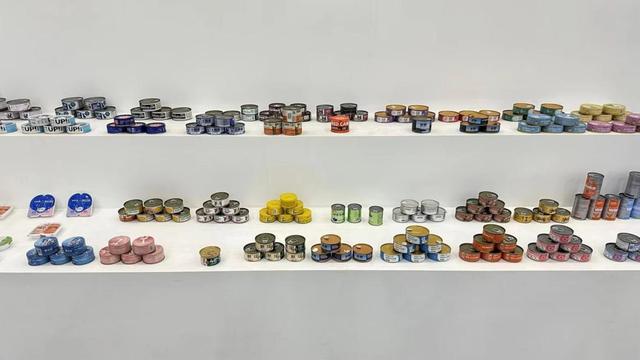
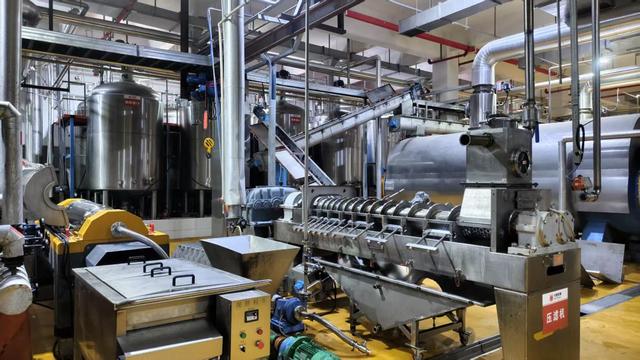
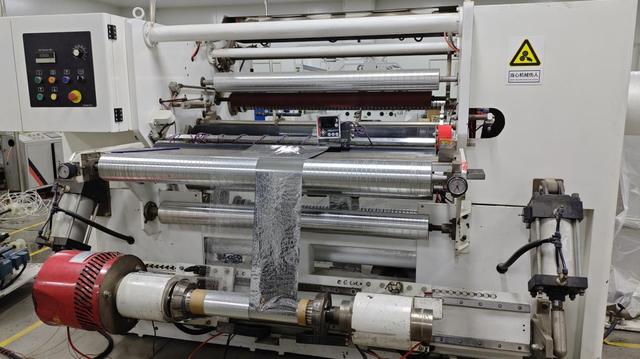

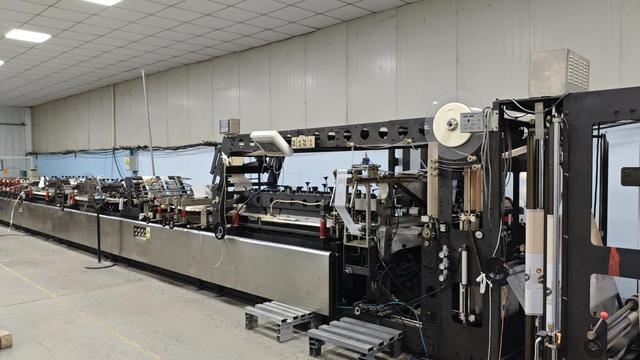


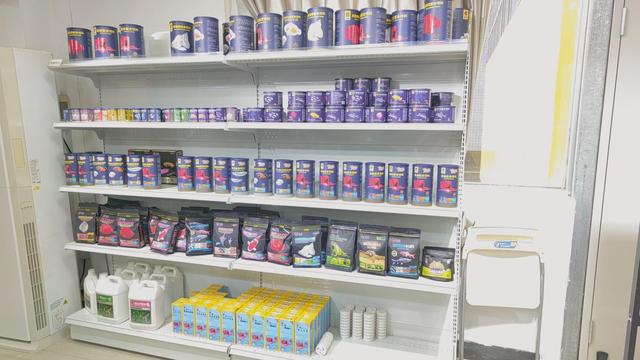
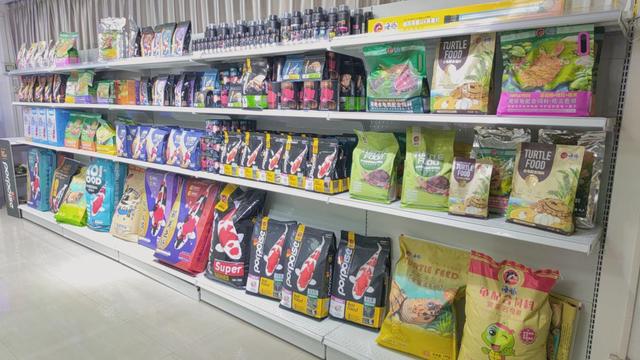
Since shifting focus in 2017 to premium OEM/ODM services, we have specialized in delivering high-end functional private label options for global clients across Europe, North America, Southeast Asia, and the Middle East. With robust quality management structures, including HACCP, ISO 9001, and ISO 22000 systems, we verify all key parameters—from raw material receipt to downstream logistics. Brands partnering with us gain access to dynamic nutritional customization, offering options from grain-free formulas and high-protein joint diets to freeze-dried solutions and sensitive digestion recipes.
Deploying functional therapeutic diets internationally requires navigating strict regulatory frameworks. Veterinary import restrictions and animal health declarations vary substantially by region. Understanding these differences is critical to avoiding customs friction:
Under AAFCO guidelines, joint support claims must be carefully balanced. Direct therapeutic claims, such as "cures canine osteoarthritis," are restricted to prescription diets. Instead, B2B brands leverage structured phrases like "supports healthy joints and structural mobility." In the US, our formulations comply with both FDA production requirements and local state-level labeling regulations, ensuring seamless go-to-market execution.
The European Union regulates functional food claims through strict scientific standards. Under EC Regulation 767/2009, ingredients must be chosen from the approved EU Catalogue of Feed Materials. In addition, marine ingredients, such as green-lipped mussel or wild-caught fish oil, require validated third-party testing for heavy metals and marine toxins before import.
In Southeast Asia, demand is shifting toward high-protein, functional diets tailored to indoor-dwelling pets. For the Middle East, Halal compliance is an increasingly important factor. To meet this demand, we utilize certified sourcing pathways that exclude porcine by-products and ensure compliant raw material handling throughout the manufacturing process.
As the industry advances beyond standard joint diets, next-generation research focuses on three major technical areas. Our R&D team continues to invest in these emerging fields to ensure our partners remain at the forefront of the market:
By leveraging artificial intelligence models, we analyze raw material interactions to discover synergistic matches between amino acids, trace minerals, and botanical compounds. This allows us to optimize joint health formulations with highly bioavailable, lower dosage levels.
Research indicates that specific nutritional factors can influence gene expression associated with collagen synthesis. By incorporating targeted biological peptides and trace minerals, next-generation pet diets can help regulate the genes responsible for joint cartilage degradation.
Sustainability is critical to modern consumers. Our supply chain features eco-certified marine sources, insect-based proteins rich in glucosamine-like chitin, and upcycled botanical extracts. These choices provide effective, sustainable joint protection without compromising biological efficacy.
Providing clear answers to core questions about formulation, manufacturing, and regulatory compliance.
For custom extruded dry food recipes, our standard MOQ starts at 5 to 10 tons per production run, depending on the complexity of the raw materials. For custom wet food formulas, the MOQ is 10,000 cans or pouches per run.
We perform high-performance liquid chromatography (HPLC) testing on raw materials before processing and on finished products post-production. This verifies that active compound levels match the target concentrations and meet packaging declarations.
Yes, our team of 18 pet nutritionists develops custom recipes tailored to specific life stages and sizes. These formulations combine active joint care ingredients with precise protein-to-fat ratios, optimized calcium-to-phosphorus balances, and digestive support.
Our facility is certified under HACCP, ISO 9001, and ISO 22000 quality management systems. We also comply with FDA requirements for exports to the United States and FEDIAF standards for the European Union.
High-quality formulas developed to support overall health, vitality, and joint health.
 Nill Paws