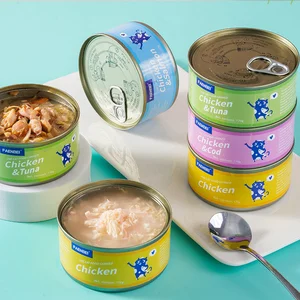
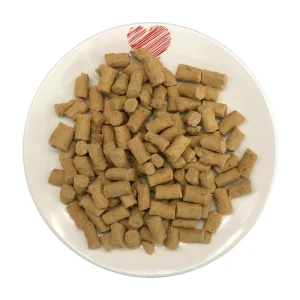
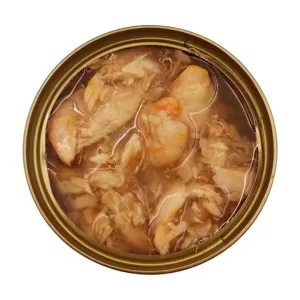
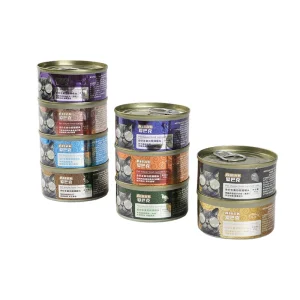
Explore our premium selection of certified clinical formulations, dietary dry food bases, wet treats, and essential health supplements custom-engineered for cats and dogs.
At the cellular level, Omega-3 fatty acids compete directly with arachidonic acid (an Omega-6 pathway) to incorporate into membrane phospholipids. By downregulating metabolic pathways that produce inflammatory cytokines (like leukotrienes and prostaglandins), dietary supplementation with pure EPA/DHA directly relieves symptoms of inflammatory arthritis, atopic dermatitis, and cardiovascular deterioration.
However, raw marine oils are notoriously unstable. Uncontrolled oxidation produces volatile peroxides and free radicals that cause systemic oxidative stress in pets. Because of this risk, veterinarians and importers prefer CE Certified Omega Fatty Acids. This certification guarantees strict compliance with strict EU safety standards, limiting heavy metal toxins and minimizing lipid peroxidation.
Historically, manufacturers relied on standard crude industrial fish oils. Today, the sector demands highly refined, traceable marine sources (such as Antarctic Krill and Wild Alaskan Salmon) alongside sustainable vegan alternatives like microalgae oil (Schizochytrium spp.) to reduce environmental impact.
To enter the European market, pet products must comply with strict CE directives and European Parliament Regulation (EC) No 1069/2009. Our facilities exceed these guidelines, ensuring every batch contains verified EPA and DHA ratios, is completely free of contaminants, and is fully traceable from catch to final packaging.
Leading pet food importers no longer look for simple base raw materials. The modern market demands functional, multi-ingredient compounds. Importers choose blends that combine Omega-3s with active probiotics, joint-supporting glucosamine, and botanical extracts like milk thistle to address multiple pet health needs at once.
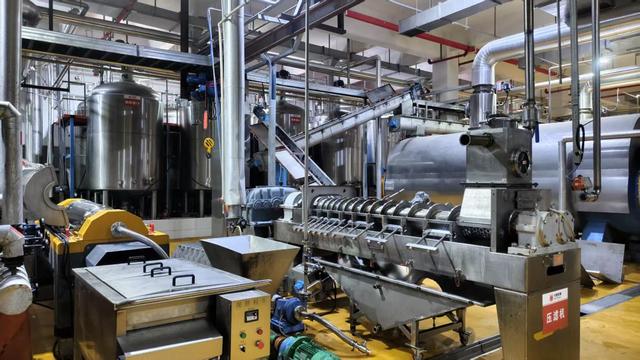
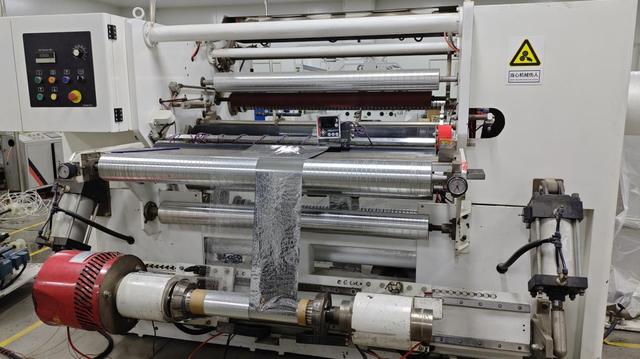
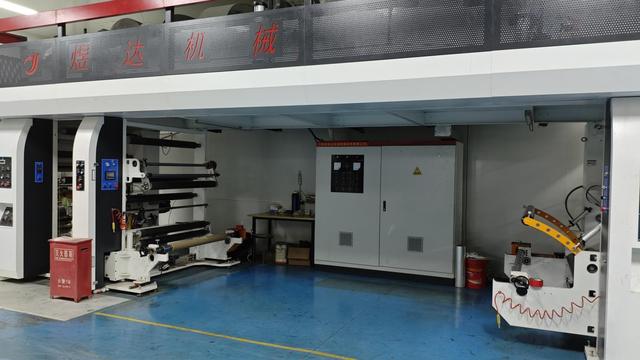
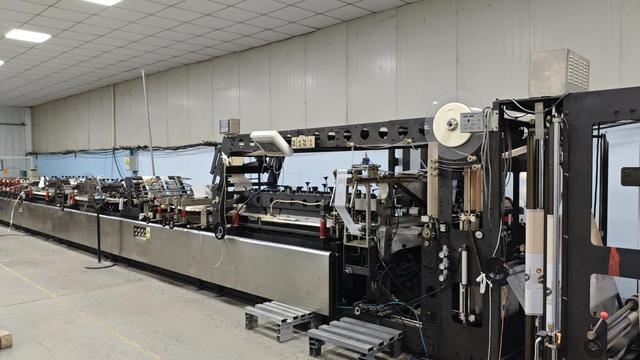
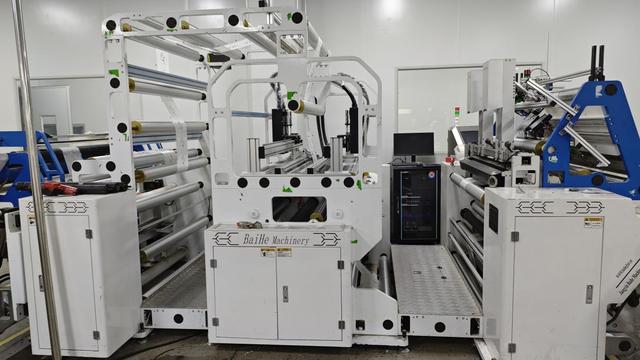
Operating a modernized, 32,000 square meter manufacturing base, we have optimized our workflow with 18,500 square meters of high-hygiene production workshops and an 8,000 square meter smart warehouse facility. To ensure product safety and prevent spoilage, our storage uses temperature-controlled zones to maintain raw lipid materials in an inactive state before processing.
Our workforce of 280 skilled professionals includes 18 dedicated pet nutritionists and food scientists. Operating 6 automated production lines, our plant delivers an annual production capacity of 18,000 tons of premium kibble, freeze-dried rewards, and functional treats.
To preserve sensitive fatty acid molecules, we use a multi-stage nitrogen shielding system throughout the mixing and extrusion phases. By replacing reactive oxygen with food-grade nitrogen, we protect the vulnerable double bonds of EPA and DHA from thermal degradation. This process ensures our end products deliver active nutritional benefits throughout their shelf life.

In high-humidity climates like Southeast Asia, atopic dermatitis and hot spots are common pet health issues. Our formulas feature increased concentrations of GLA (Gamma-Linolenic Acid) combined with natural antioxidants. This blend strengthens the epidermal skin barrier, reduces seasonal itching, and remains highly stable in warm, humid weather.
In Northern Europe and North America, cold temperatures can lead to dry skin and joint stiffness in pets. We formulate our products with elevated levels of EPA and marine collagen to support joint mobility, maintain metabolic health, and keep coats thick and glossy during cold winters.
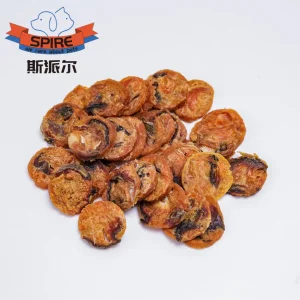
Pets in dense urban environments often experience higher stress and reduced physical exercise, which can lead to early cognitive decline and obesity. Our urban line features pure, microencapsulated DHA to support cognitive function, blended with low-calorie, nutrient-rich salmon chips that aid weight management without sacrificing taste.
We are integrating advanced double-shell microencapsulation technology. By coating sensitive Omega-3 molecules in a protective, starch-based shell, we shield the active lipids from stomach acids. This ensures the nutrients are absorbed in the lower intestine, maximizing bioavailability and eliminating fishy odors.
To protect ocean ecosystems, we are expanding our use of microalgae oil produced in closed-loop fermentation systems. This method yields high concentrations of pure EPA and DHA without risking heavy metal exposure, providing a clean, sustainable, and reliable supply chain.
Looking ahead, we are exploring breed-specific lipid formulations. Because genetic variations affect how different breeds process fatty acids, we are developing targeted lipid ratios to address specific genetic needs—such as supporting cardiac health in large-breed dogs or protecting renal function in cats.
We manage the entire product lifecycle, including recipe formulation, regulatory compliance testing, packaging design, and certified international shipping. Our team makes it easy to bring new, high-quality pet food lines to market quickly and reliably.
Every shipment is accompanied by a full lab analysis report detailing raw material origin, exact lipid profiles, and purity verification. We guarantee complete transparency, giving you and your customers total confidence in our ingredients.
Our production facilities support both large-scale distribution runs and smaller, targeted product launches. We offer flexible production scheduling and custom packaging sizes to fit your specific market strategy and growth plans.
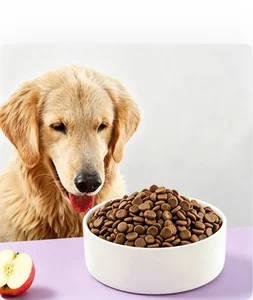
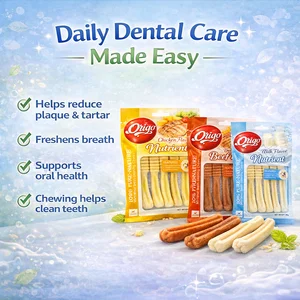
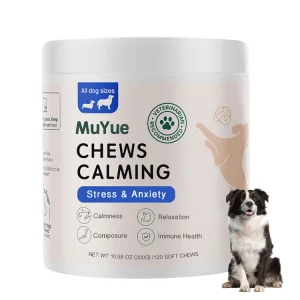
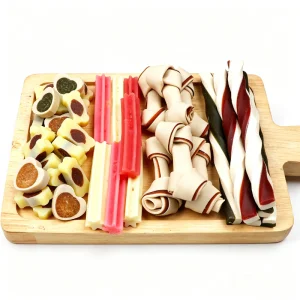
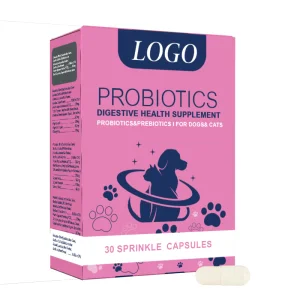
From nutrient-rich dry kibble to functional training treats, explore our complete selection of certified pet food products manufactured to the highest international standards.
 Nill Paws