7 Tips Why Is My Pet Gaining Weight Quickly?

Time:2026-10-05 Author:Charlotte
0%

When pet owners ask, “why is my pet gaining weight quickly,” the answer is rarely just extra treats. Portion changes, reduced activity, medication, stress, and hormonal disease can all contribute. A fuller waist may also reflect fluid buildup, bloating, or another medical problem. Rapid change deserves a veterinary assessment, especially when breathing, thirst, urination, or energy levels also change.

The Association for Pet Obesity Prevention reported in its 2022 survey that 59% of dogs and 61% of cats were overweight or obese in the United States. Those figures show how common the problem has become, but they do not diagnose an individual animal. The World Small Animal Veterinary Association recommends body-condition scoring alongside accurate weight measurements, rather than relying on appearance alone. Dr. Ernie Ward, founder of the Association for Pet Obesity Prevention, has said, “Pet obesity is the greatest health threat facing our pets today.” His warning is difficult to ignore.

Still, owners can miss small changes. A few extra biscuits each day can resemble an innocent habit, while an overfilled food bowl quietly adds hundreds of calories each week. I have also seen how confusing labels and inconsistent weighing can distort a pet’s progress. This guide explores seven practical reasons behind sudden weight gain, from calorie creep to illness, while encouraging professional evaluation. Weight loss should be gradual, measured, and personalized. Quick fixes can create new risks.
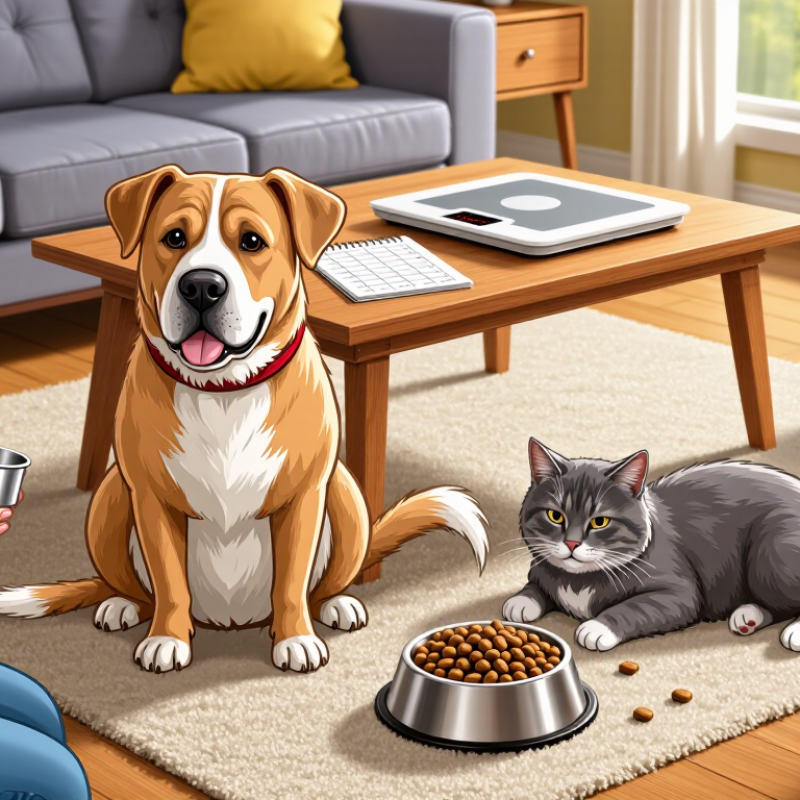
7 Tips Why Is My Pet Gaining Weight Quickly?

Recognize Excess Weight: APOP Found 59.3% of Dogs and 58.3% of Cats

7 Tips Why Is My Pet Gaining Weight Quickly?

Excess weight is common, not harmless. APOP reported that 59.3% of dogs and 58.3% of cats were overweight or obese.

These figures make a quick body check worthwhile. Look for a visible waist, easily felt ribs, and a gently tucked abdomen.

A round belly can hide gradual weight gain. It is easy to miss.

Tip 1

Weigh meals with a kitchen scale. Cups can quietly become oversized portions.

Tip 2

Count treats, table scraps, and dental chews as daily calories.

Tip 3

Record your pet’s weight every two weeks. Small changes become clearer on paper.

Tip 4

Compare recent photos from above and the side. I have underestimated body changes before, especially under thick fur.

Tip 5

Increase activity slowly, using short walks or several play sessions. Avoid sudden intense exercise, particularly for older pets.

Tip 6

Ask a veterinarian about thyroid disease, pain, medication effects, or other medical causes. A sudden increase deserves professional attention.

Tip 7

Review the feeding plan with measurable targets. Weight loss should be gradual, not forced.

Your pet may seem hungry, but begging does not always mean nutritional need.

Some plans also fail because household members feed secretly. That detail matters.

Check Body Condition: Use WSAVA’s 9-Point Scale, Not Weight Alone

When a Pet Gains Weight Quickly, Check Body Condition First

A sudden change on the scale deserves attention, but weight alone can mislead. A large-framed dog may weigh more than expected and still remain lean. An older cat may gain fat while losing valuable muscle. The nine-point body condition scale gives a clearer picture. Scores one to three suggest underconditioning, four to five usually indicate an ideal range, and six to nine show increasing excess fat.

Run your hands gently over the ribs. You should feel each rib beneath a thin, flexible covering. Look from above for a visible waist, then from the side for a slight abdominal tuck. Check the belly, chest, and base of the tail for soft fat deposits. Take a monthly photo from the same angle. Record food portions, treats, exercise, and body-condition scores. Small details matter. A measuring cup may still overfill meals.

Rapid gain needs professional review. A veterinarian can assess muscle condition, medications, hormonal problems, fluid retention, and feeding changes. Do not sharply restrict food without guidance. That approach can create nutritional risks, especially for growing, elderly, or ill animals. The scale is helpful, but it is not flawless. Lighting, coat thickness, and handling can affect your judgment. If your score feels uncertain, ask for a hands-on assessment and learn what an ideal score feels like for your individual pet.

Audit Calories: Follow AAHA’s 10% Daily Treat-Calorie Limit

7 Tips Why Is My Pet Gaining Weight Quickly?

A suddenly heavier pet may be eating more calories than expected. According to the Association for Pet Obesity Prevention’s 2022 survey, 59% of cats and 53% of dogs were overweight or obese. Weight gain can hide inside treats, table scraps, dental chews, and large food portions. A few extra bites each day can become visible around the ribs and waist.

Tip: Audit every calorie for seven days. Measure meals with a kitchen scale, not a filled cup. Record treats, toppers, supplements, and shared snacks. AAHA recommends keeping treats below 10% of daily calories. For a pet needing 400 calories daily, treats should provide no more than 40 calories. Check the package, but remember that serving sizes may confuse owners. I have found that “small” rewards often become several rewards.

Tip: Replace some treats with low-calorie options, such as measured pieces of the regular diet. Use play, brushing, or calm praise as rewards. WSAVA nutrition guidance supports individualized calorie plans based on body condition, activity, age, and health. Do not slash food suddenly. A veterinarian should assess rapid weight gain, especially with thirst, tiredness, vomiting, or breathing changes. Monthly weigh-ins help, although home scales are not always precise. Feel the ribs gently. They should be easy to find beneath a thin covering.

7 Tips: Why Is My Pet Gaining Weight Quickly?

Audit Calories: Follow the 10% Daily Treat-Calorie Limit

Using the standard resting-energy formula RER = 70 × body weight0.75 and an adult-neutered maintenance factor of 1.6, treats should provide no more than 10% of estimated daily calories. The remaining 90% should come from complete, balanced food. Individual needs vary, so monitor body condition and adjust portions with a veterinarian.

Investigate Medical Causes: Review Drugs, Endocrine Disease, and Activity

7 Tips Why Is My Pet Gaining Weight Quickly?

A sudden heavier body deserves more than a smaller food bowl. The Association for Pet Obesity Prevention reported that about 59% of dogs and 61% of cats were overweight or obese in 2022. Still, rapid change may reflect illness, medication, or reduced movement.

Review every prescription, supplement, and recent dose change with your veterinarian. Corticosteroids can increase hunger and water retention. Some seizure medicines may also affect appetite or activity. Never stop treatment suddenly. That can create a bigger problem.

Endocrine disease needs careful testing. Dogs with hypothyroidism may become tired, cold-sensitive, and overweight. Cushing’s disease can cause a round abdomen, increased thirst, panting, and muscle loss. Cats usually lose weight with hyperthyroidism, so weight gain may suggest another issue. Diagnosis often requires blood tests, urine testing, and a complete physical examination.

Activity changes can hide in ordinary routines. A rainy week, joint pain, or household stress may reduce play. Count walks and play sessions for seven days. Weigh your pet weekly on the same scale, if possible. Small details matter.

The 2021 AAHA Nutrition and Weight Management Guidelines support regular body-condition and muscle-condition assessments. Yet home scoring is imperfect. I have seen owners mistake a soft abdomen for normal aging. Ask your veterinarian to feel the ribs, review calories, and check for pain before changing portions.

Set Targets: AAHA Supports 1–2% Weekly Loss for Safe Weight Control

A pet gaining weight quickly needs a measured response, not punishment.

The 2022 U.S. Pet Obesity Prevalence Survey reported that 59% of dogs and 61% of cats were overweight or obese. Extra calories often hide in dental treats, table scraps, and oversized portions. I once assumed a full bowl showed good care. It did not.

AAHA weight-management guidance supports a target of 1–2% body-weight loss weekly for many pets. For a 22-pound dog, that equals about 0.2–0.4 pounds each week.

Weigh food with a kitchen scale, record every treat, and check progress weekly. A veterinarian should confirm the calorie target and assess body condition, muscle, thyroid health, and medication effects. Rapid restriction can cause weakness, frustration, or serious illness, especially in cats.

Small changes work better. Replace three biscuits with one smaller treat, add measured play, and keep the bowl away from casual refills. The goal is steady change, not a dramatic drop.

If weight falls faster than planned, increase calories only with veterinary guidance. If nothing changes after two or three weeks, the calculation may be wrong. That part deserves honesty.

FAQS

Why is body condition more useful than weight alone?

Weight can mislead because body size and muscle differ between animals. A large dog may stay lean, while an older cat loses muscle and gains fat. The nine-point scale offers more context.

What body-condition score usually indicates an ideal range?

Scores four or five usually suggest a healthy range. Scores one to three may indicate underconditioning. Scores six to nine show increasing excess fat.

How can I check my pet’s body condition at home?

Gently run your hands over the ribs. Each rib should be easy to feel beneath a thin covering. Look for a visible waist from above and a slight abdominal tuck from the side. Check the belly, chest, and tail base for soft fat.

How often should I record changes?

Take a monthly photo from the same angle and record body-condition scores. Note food portions, treats, exercise, and weight. Small details matter. A measuring cup can still overfill meals.

What should I do if my pet gains weight quickly?

Arrange a veterinary review. A professional can check muscle, medications, hormones, fluid retention, and feeding changes. Do not sharply restrict food without guidance. My first guess may be wrong.

What rate of weight loss is generally considered measured?

Many pets can aim for about one to two percent of body weight each week. A 22-pound dog would lose roughly 0.2 to 0.4 pounds weekly. Progress should be steady, not dramatic.

How can I reduce calories without making meals confusing?

Weigh food with a kitchen scale and record every treat. Replace three biscuits with one smaller treat. Add measured play and prevent casual bowl refills. It sounds simple. It is not always easy.

What if my pet loses weight too quickly or stops losing weight?

Contact a veterinarian before changing calories. Fast loss can cause weakness or serious illness, especially in cats. If nothing changes after two or three weeks, the calculation may be wrong. That deserves an honest review.

Conclusion

If you are wondering, “why is my pet gaining weight quickly,” start by recognizing that excess weight is common in both dogs and cats, but do not rely on body weight alone. Assess your pet’s body condition by checking the visible waist, rib coverage, and abdominal shape with a standard nine-point scoring approach. This gives a clearer picture of fat gain than the scale by itself.

Next, review daily calories, including treats, table scraps, supplements, and dental chews. Treats should make up no more than about 10% of daily calories. Sudden weight gain may also be linked to medications, hormonal disorders, reduced activity, or changes in routine, so a veterinary examination is important. Once the cause is understood, set gradual goals rather than using extreme diets. A safe target is usually around 1–2% of body weight per week, monitored through regular weigh-ins and diet adjustments.

Charlotte

Charlotte

Charlotte is a seasoned marketing professional with a deep understanding of the company's portfolio and a passion for elevating its presence in the market. With a keen eye for detail and a commitment to excellence, she ensures that our professional blog is regularly updated with insightful articles......