Understanding why is my cat always hungry after eating is crucial for responsible pet ownership. Research indicates that over 50% of cats display increased hunger shortly after meals. This phenomenon may stem from various factors, including dietary choices and health issues. A study by the American Veterinary Medical Association highlights that diets high in carbohydrates can lead to rapid digestion, leaving cats unsatisfied.
Behavior also plays a role. Cats are natural hunters. Their instinct drives them to seek out food constantly. If they don’t engage in enough stimulating activities, they may feel hungrier. This urge can lead to excessive eating or begging behavior, which concerns many pet owners.
While cats often seem endlessly hungry, some may hint at deeper health problems. Conditions like diabetes or hyperthyroidism could be at play. Owners should not overlook persistent hunger as a minor issue. Consulting with a veterinarian for a proper assessment is advisable. A tailored diet and enriching environment may help manage their hunger levels.
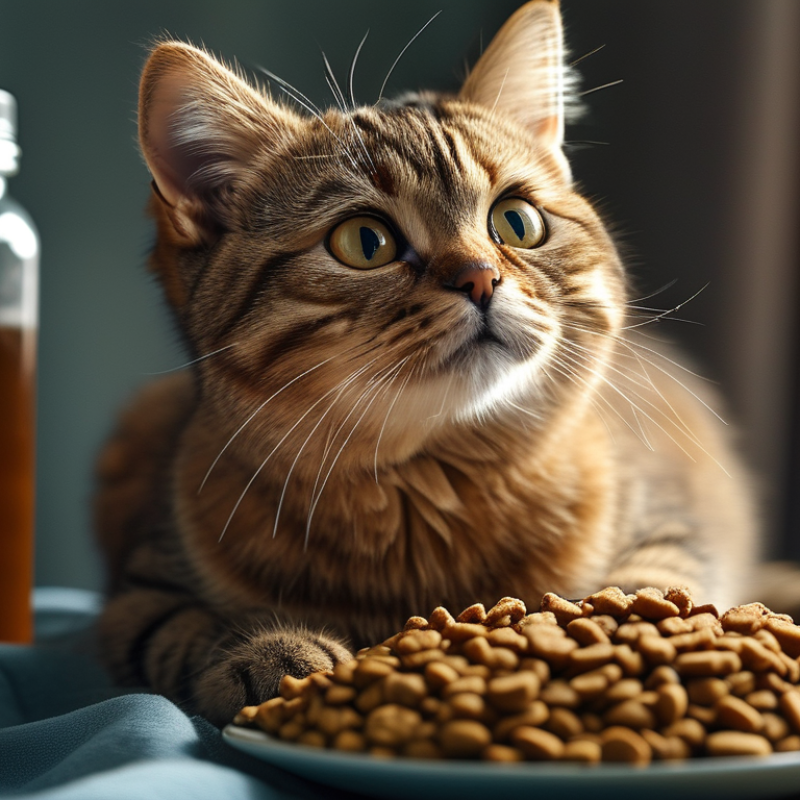
Cats are natural hunters. In the wild, their instincts drive them to hunt small prey throughout the day. This behavior leads to frequent, smaller meals rather than one large meal at once. A study published in the Journal of Animal Physiology indicates that cats may feel hungry shortly after eating because their bodies are accustomed to this pattern. This is a key factor in understanding your cat's feeding habits.
Moreover, cats have a unique digestive system. Their stomachs are small and process food quickly. According to a report from the American Association of Feline Practitioners, cats are social eaters. They often seek the company of other cats during meals. If they are alone, they may not feel satisfied. This can lead to a perception of persistent hunger. Owners must observe their cat's eating environment. A noisy or chaotic space can disrupt mealtime and contribute to their anxiety.
The behavior of wanting food may reflect boredom. Studies show that indoor cats can become bored and anxious, prompting them to seek food for comfort. Engaging your cat with toys or interactive play can distract them from constant hunger. Remember, it is essential to provide a balanced diet while considering their natural instincts and behaviors.
Feeling like your cat is always hungry after meals can be puzzling. There are several common reasons your feline friend may be experiencing this behavior. One reason could be the type of food you are providing. Some dry kibble lacks sufficient protein or fiber, leading to quick digestion. This can leave your cat feeling unsatisfied shortly after eating. Consider a balanced diet rich in high-quality protein.
Another factor might be psychological. Cats are natural hunters. If your cat is not mentally stimulated, they may resort to begging for food as a way to engage with you. Interactive toys can help fulfill their need for stimulation. Additionally, some cats eat too quickly, resulting in a lack of satiety. Try using slow feeders to encourage more mindful eating habits.
Health issues may also play a role. Conditions like hyperthyroidism or diabetes can increase hunger. Regular vet check-ups are crucial to rule out underlying concerns. Pay attention to any changes in your cat’s weight or behavior. This information can provide valuable insights during consultations.
Understanding your cat's nutritional needs is crucial to managing their appetite. Cats require a balanced diet rich in protein, fats, and essential vitamins. Evaluating the quality of your cat's food can reveal potential shortcomings. Many commercial cat foods lack necessary nutrients, so it's important to read labels carefully.
Portion sizes greatly impact a cat's satiation. Over time, your cat may adjust to smaller portions, leading to increased hunger. Observing their eating habits can help. If they seem always hungry, consider measuring their food more precisely. Consulting with a veterinarian can provide insights into proper feeding guidelines.
In addition to nutrition, consider your cat's lifestyle. Boredom can prompt excess snacking. Engaging your cat in playtime might reduce their urge to eat more than necessary. Cats often seek comfort in food, especially during stressful times. Reflecting on their environment may reveal behavioral triggers influencing their hunger.
| Nutritional Factor | Recommended Amount | Signs of Insufficient Nutrition | Tips to Improve Diet |
|---|---|---|---|
| Protein Content | 30-50% of Total Calories | Lethargy, Poor coat quality | Add high-quality meat sources |
| Fat Content | 15-20% of Total Calories | Weight Loss, Low energy | Include healthy fats like fish oil |
| Fiber | 1-5% of Total Diet | Digestive issues | Add pumpkin or psyllium husk |
| Portion Size | Varies by weight, age, activity | Constant hunger | Measure food daily; avoid free feeding |
| Hydration | Fresh water daily | Dehydration signs, dry skin | Encourage drinking with a water fountain |
When cats seem perpetually hungry, it can often signal underlying medical issues. These problems may affect their appetite and eating habits. Common conditions like hyperthyroidism increase metabolism. This means your cat burns energy quickly, leaving them constantly searching for food. You might notice them eating voraciously, yet never satisfied.
Another potential issue is diabetes. Cats with diabetes can have increased hunger due to their body's inability to properly utilize sugar. As their blood sugar levels remain imbalanced, they may feel starved despite eating normal meals. Observing behaviors like weight loss or excessive thirst can help you identify this condition.
Additionally, gastrointestinal disorders can result in poor nutrient absorption. Cats might eat without gaining adequate nutrition. This leads them to always seek more food. Watching your cat’s eating habits closely is vital. If they finish their meals quickly or beg for more, consider consulting a vet. Addressing these concerns promptly can greatly improve your cat's health and well-being.
Cats may seem perpetually hungry, even right after eating. This behavior can stem from various factors, including dietary choices and behavioral patterns. According to a study published in the Journal of Animal Behavior, nearly 40% of cats may overeat due to boredom or lack of stimulation. When cats lack interactive play or mental engagement, they may turn to food as a source of entertainment.
To curb your cat's excessive hunger, consider implementing behavioral modifications. Increasing interactive playtime for at least 20 minutes daily can be beneficial. Engaging them with toys or puzzle feeders can redirect their focus from food to play. Research indicates that enriched environments can decrease overfeeding behavior significantly. Additionally, adopting a feeding schedule rather than free-feeding can help manage their hunger cues. Offering smaller meals throughout the day may fulfill their needs without overindulging.
Monitoring your cat's behavior is essential. If they seem constantly hungry, assess their diet for nutritional adequacy. A lack of certain nutrients could contribute to their hunger. Some cats may also exhibit metabolic conditions that require veterinary attention. Keeping a journal of your cat's eating habits can help identify patterns or triggers that lead to excessive hunger. This approach can facilitate a more effective strategy in addressing their needs.
: Check the food labels for protein, fats, and vitamins. Look for any nutrient deficiencies.
Portion sizes affect hunger. Smaller portions may lead to increased hunger over time.
Measure food carefully. Offer smaller meals throughout the day to manage hunger.
Yes, boredom can lead to overeating. Engaging in play may reduce unnecessary snacking.
Monitor their eating habits and consider a vet visit. Nutritional shortcomings could be the cause.
Engaging them for at least 20 minutes daily can redirect focus from food to play.
Signs include constant hunger and lack of interest in other activities or toys.
Use toys and puzzle feeders. This can help reduce overfeeding behavior significantly.
Free-feeding may contribute to overeating. Establishing a feeding schedule can help manage hunger cues.
Yes, it can reveal patterns or triggers that lead to excessive hunger behavior.
Understanding the question of "why is my cat always hungry after eating" involves exploring various factors related to feline behavior and dietary needs. Cats have natural instincts that drive them to hunt and forage, which can lead to a perception of constant hunger even after meals.
Several common causes may contribute to this behavior, including the quality and portion sizes of their diet. It is essential to evaluate whether your cat is receiving the right nutritional balance tailored to their age, weight, and activity level. Additionally, underlying medical issues, such as hyperthyroidism or diabetes, could impact appetite and should be ruled out. Implementing behavioral modifications, such as feeding smaller, more frequent meals and offering interactive feeding techniques, can help manage excessive hunger and ensure your cat remains healthy and satisfied.

Nill Paws