Many pet owners wonder, "why does my pet eat too fast?" This behavior is common among dogs and cats. Rapid eating can lead to health issues such as choking, obesity, or gastrointestinal problems. Understanding the reasons behind this behavior is crucial for pet health.
Several factors contribute to fast eating. Some pets may feel competition during mealtimes, leading them to eat quickly. Others may have natural instincts that drive them to consume food rapidly. Additionally, boredom or anxiety might trigger this behavior. Observing your pet's eating habits can provide insights.
To address this concern, consider strategies to slow down their eating. Using special bowls, puzzle feeders, or dividing meals into smaller portions can be effective. Monitoring changes in behavior and seeking advice from a veterinarian may also be necessary. Recognizing the need for improvement is the first step to promoting better eating habits for your furry friend.
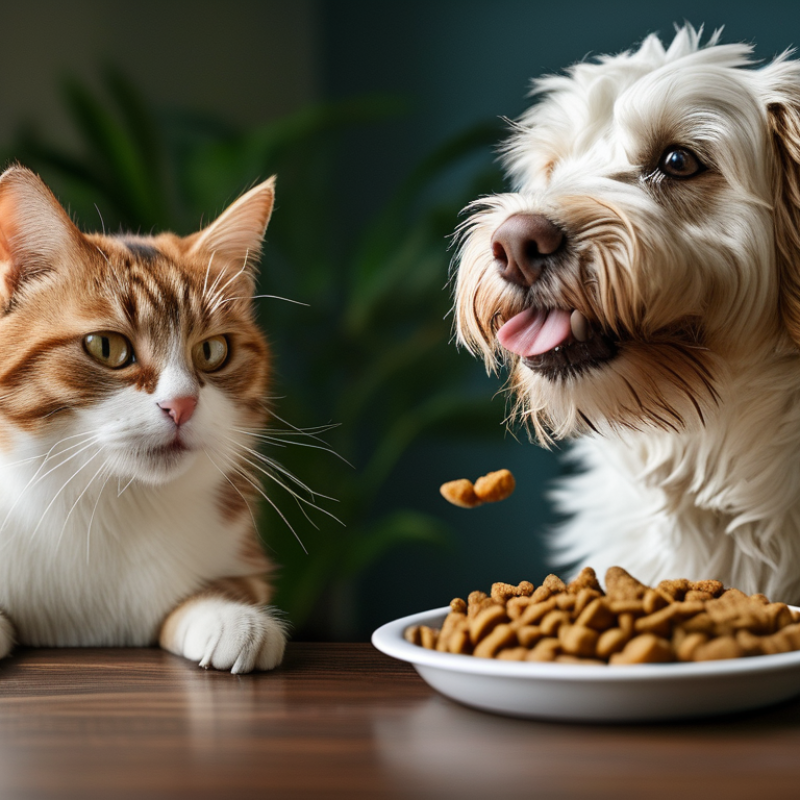
Many pet owners notice their furry friends gulping down food quickly. This behavior can stem from various reasons. Some pets experience competition, especially in multi-pet households. Others may have learned fast eating as a survival instinct. Stress and anxiety can also accelerate eating speeds as pets rush to finish their meals.
To address this, consider using puzzle feeders. These devices engage your pet mentally and physically, slowing down their eating. You can also try spreading the food out on a flat surface. This method encourages them to eat at a more manageable pace. Additionally, feeding smaller portions throughout the day may help.
Another common reason for fast eating is boredom. If pets are unoccupied, they may rush through meals out of habit. Regular playtime can help alleviate this. Create a routine that includes exercise before meals. This approach can help your pet feel more relaxed and less rushed during feeding times.
Eating too quickly poses significant health risks for pets. When they consume food at a rapid pace, they are prone to developing gastrointestinal issues, such as bloating or gastric torsion. Studies indicate that dogs are twice as likely to suffer from bloat if they eat too fast. This serious condition can be life-threatening if not addressed promptly.
Pets that eat quickly can also experience choking hazards. When food is gulped down rather than chewed, it can lead to blockages in the throat. A reported 15% of veterinarians have treated pets for choking incidents resulting from rapid eating habits. Moreover, fast eaters often do not properly digest their food, leading to inadequate nutrient absorption.
Increased anxiety is another potential issue. Pets that rush through meals may have an underlying behavioral problem. A survey found that nearly 40% of pet owners felt their fast-eating pets also exhibited signs of stress. This combination of physical and psychological health risks emphasizes the need for pet owners to address rapid eating as a serious concern.
| Health Risk | Description | Prevention Methods |
|---|---|---|
| Bloating | Excess air intake can lead to bloating, which can be painful. | Use slow feeder bowls or puzzle feeders to encourage slower eating. |
| Vomiting | Eating too quickly can cause pets to vomit what they just ate. | Feed smaller, more frequent meals to reduce the urge to gobble. |
| Choking | Rapid eating can cause pets to choke on their food. | Monitor your pet during meals and use dishes that prevent them from gulping food. |
| Digestive Issues | Fast eating can lead to improper digestion and gastrointestinal upset. | Break food into smaller pieces or use a raised bowl. |
| Obesity | Rapid eating habits may promote overeating, leading to weight gain. | Regularly monitor food portions and increase activity levels. |
Pets often eat too fast, which can lead to health issues such as obesity, choking, and gastrointestinal discomfort. According to a study published in the Journal of Animal Science, nearly 25% of dogs and cats are classified as overweight. Fast eating habits can exacerbate these problems. Understanding why your pet eats quickly is crucial. Factors may include competition for food, hunger, or a learned behavior from the previous environment.
There are effective strategies to help slow down your pet's eating habits. One approach is to use slow-feed bowls, designed with obstacles that force your pet to eat more slowly. Such bowls can reduce eating speed by up to 50%, according to veterinarians. You might also consider dividing daily portions into smaller meals. This method not only aids digestion but also keeps your pet satisfied throughout the day. Puzzle feeders can be another solution. These can stimulate your pet mentally while they eat, promoting a slower pace.
Monitoring your pet’s behavior during feeding times is essential. Observe if they seem anxious or overly eager. If so, you may want to create a calmer eating environment. Reducing distractions and providing a quiet space can make a significant difference. Remember, some pets may struggle with changes. Be patient and adjust the feeding methods gradually until you find what works best.
Feeding equipment can greatly influence how fast your pet eats. Many pets tend to gobble their food quickly, leading to potential health issues. Specialized feeding bowls or slow feeders are designed to break up the food into smaller portions. These types of bowls encourage dogs or cats to take their time. The raised edges and obstacles within the bowl can slow them down significantly.
In addition to physical equipment, the design of the feeding area matters. A calm space free from distractions can help pets focus on their meal. Sometimes, pets eat fast due to anxiety or excitement. Observing your pet's eating habits can reveal underlying issues. Creating a structured feeding routine may also benefit them, allowing pets to anticipate meal times and eat more mindfully.
Experimenting with different feeding solutions is crucial. However, not every method works for all pets. Some may still rush their meals despite using slow feeders. Patience and adjustments are key. Monitoring your pet’s eating habits and seeking advice from a veterinarian can guide you. This journey towards healthier eating can have its challenges, but it is worth the effort.
When your pet eats too fast, it can lead to various health issues. It's essential to monitor their eating habits closely. If your furry friend frequently gulps down their food, this behavior might indicate stress or anxiety. Dogs and cats often rush their meals, especially when they feel competition for food.
Consulting a veterinarian is crucial if this behavior persists. A vet can help identify underlying issues, such as gastrointestinal problems or behavioral concerns. If your pet is vomiting after meals or showing signs of discomfort, seek professional advice immediately. Keeping a journal of your pet’s eating patterns can provide valuable information for your vet.
Additionally, some pets may require special feeding techniques or tools to slow them down. Bowls with built-in obstacles can encourage slower eating. Observing your pet’s habits can help tailor the right solution. Ensuring your pet receives appropriate nutrition in a calm environment is essential for their well-being. Regular check-ups can guide you on the best practices for managing fast eating.
: Pets may eat quickly due to competition, hunger, or learned behaviors from past environments.
Slow-feed bowls have obstacles that make pets eat slower, reducing eating speed by up to 50%.
Yes, dividing daily portions into smaller meals aids digestion and keeps pets satisfied longer.
Puzzle feeders engage pets mentally while they eat, promoting a slower eating pace.
Reduce distractions and provide a quiet space to help pets focus on their meals.
Pets may need time to adjust. Be patient and change feeding methods gradually.
Yes, a calm, distraction-free area encourages pets to eat more mindfully and slowly.
Some pets may still eat quickly. Experimenting with various methods is important.
Yes, observing behavior helps identify anxiety or eagerness during meals.
Consulting a veterinarian can provide guidance for managing your pet’s eating habits.
In addressing the question of "why does my pet eat too fast," it's essential to understand the underlying reasons that drive this behavior. Factors such as competition with other pets, instinctual drives, or a lack of proper feeding tools can contribute to rapid eating habits. However, it's crucial to recognize that eating too quickly can pose significant health risks, including choking, gastrointestinal issues, and obesity.
To effectively slow down your pet's eating habits, various strategies can be employed. Simple adjustments like portion control, scheduled feeding times, or using specialized feeding equipment can be beneficial. These tools not only help manage the speed at which pets consume their meals but also enhance their overall dining experience. Should fast eating persist or if there are additional concerns, consulting a veterinarian is advised to rule out any underlying health issues.

Nill Paws