How to Stop Your Cat Vomiting After Eating Food

Time:2026-10-20 Author:Amelia
0%

A cat vomiting after a meal can turn an ordinary feeding routine into a worrying scene. One moment, your cat is crunching kibble; the next, undigested pieces sit on the floor. Many owners ask, “why does my cat vomit after eating food” The cause may involve eating too quickly, overeating, hair, diet changes, or illness. Timing matters. Vomiting minutes after eating differs from vomiting hours later.

This guide explains practical, low-risk steps that may help reduce vomiting after meals. Smaller portions can prevent an overly full stomach. A slow-feeder bowl may also help your cat eat more calmly. Feed changes should happen gradually, not overnight. Fresh water should remain available, but do not force your cat to drink. Prolonged fasting can be dangerous, especially for overweight cats, so ask a veterinarian before restricting food.

Careful observation supports better decisions. Record the meal type, portion size, eating speed, vomiting time, and material produced. A quick phone video may help your veterinarian distinguish vomiting from regurgitation. Still, home adjustments cannot explain every episode, and guessing may delay proper treatment. Contact a veterinarian if vomiting repeats, contains blood, or occurs with weakness, pain, diarrhea, dehydration, weight loss, or appetite changes. Kittens, senior cats, and cats with chronic conditions need extra caution. One messy bowl does not always signal a serious disease. Repeated episodes deserve professional attention. Reliable guidance combines calm feeding changes, detailed observation, and timely veterinary care.
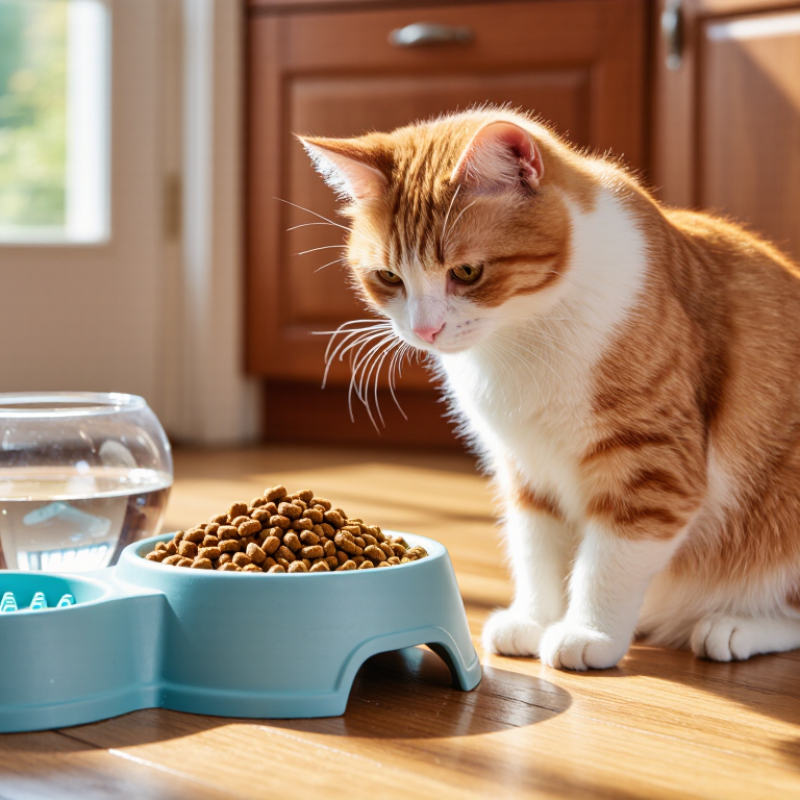
How to Stop Your Cat Vomiting After Eating Food

Why Cats Vomit After Eating Food

Cats may vomit after eating for simple reasons, but the timing and appearance matter. A cat that gulps food may bring up undigested pieces within minutes. This is often regurgitation, not true vomiting. The food may look almost unchanged, sometimes shaped like a small tube. Eating too quickly, overeating, or chasing another pet away from the bowl can trigger it.

Other causes deserve more attention. A sudden diet change, food intolerance, hairballs, parasites, or stomach irritation may lead to repeated vomiting. Kidney disease, intestinal blockage, and other illnesses can also begin with this sign. It is easy to blame the food, but that assumption can be wrong. Notice the vomit, appetite, stool, energy, and drinking habits. A brief video can help a veterinarian distinguish regurgitation from vomiting.

Slow the meal with smaller portions, several daily feedings, or a puzzle-style dish. Keep fresh water available, and avoid sudden changes in diet. Do not give human medicine without veterinary advice. I would also avoid forcing food after an episode; that may upset the stomach again. If vomiting continues, contains blood, or comes with weakness, pain, diarrhea, weight loss, or trouble keeping water down, seek veterinary care promptly. Kittens, older cats, and cats with existing illnesses need quicker assessment. Even one severe episode can matter.

How to Identify the Cause of Post-Meal Vomiting

How to Stop Your Cat Vomiting After Eating Food

How to Identify the Cause of Post-Meal Vomiting

The timing of vomiting offers an important clue. Food returned within a few minutes may be regurgitation, not true vomiting. It often appears undigested and tube-shaped. True vomiting usually involves nausea, lip-licking, abdominal contractions, and retching. The distinction is not perfect. Still, it helps guide the next step.

Watch what happens before and after meals. Does your cat gulp food, change diets, or eat from another animal’s bowl? Note the food type, portion size, eating speed, and time until vomiting. A short video can help a veterinarian assess the episode. Check the material carefully. Hair, yellow fluid, blood, or unusual objects may provide useful clues. Repeated episodes can also relate to food intolerance, parasites, stomach inflammation, or an obstruction.

A slow feeder may help a cat that eats too quickly, but do not assume speed is the only cause. Offer smaller portions only if your veterinarian considers them appropriate. Avoid sudden diet changes and human medicines. Seek urgent veterinary care if vomiting continues, your cat cannot keep water down, or weakness, pain, pale gums, or blood appears. Kittens, older cats, and cats with existing illness need faster assessment. One missed detail can change the diagnosis.

Immediate Steps to Take After Your Cat Vomits

After your cat vomits, remove food for about one to two hours. Do not remove water completely. Offer a teaspoon at a time every 15–30 minutes. Large drinks can trigger another episode. Check the vomit for blood, string, plants, or unusual objects. Never give human medicine unless a veterinarian specifically prescribes it. The Merck Veterinary Manual identifies vomiting as a symptom, not a diagnosis, while Cornell’s feline health guidance warns that repeated vomiting needs professional assessment.

Tips: Keep your cat quiet, cool, and indoors. Photograph the vomit and record its color, timing, and texture. This evidence can help your veterinarian. After several hours without vomiting, offer a small portion of plain, familiar food. Feed slowly, then increase portions gradually over the next day. A puzzle feeder may help cats that swallow meals too quickly, though it will not solve every cause.

Seek urgent veterinary care if vomiting happens repeatedly, water cannot stay down, or your cat seems weak, painful, bloated, confused, or breathless. Blood, coffee-ground material, pale gums, or suspected foreign objects are also warning signs. Kittens, older cats, and cats with kidney, liver, or digestive disease need earlier advice. A single episode after rapid eating may be minor, but assuming that too quickly is an easy mistake. Veterinary clinical guidance consistently treats frequency, dehydration, and behavior changes as more important than the vomit alone.

Feeding Changes That May Help Prevent Vomiting

How to Stop Your Cat Vomiting After Eating Food

Feeding Changes That May Help Prevent Vomiting

A cat that vomits soon after eating may be swallowing food too quickly. Try offering smaller portions four to six times daily. A shallow dish can also reduce frantic gulping. Some cats eat more slowly when food is spread across a flat plate. Watch the first few meals closely. You may notice fewer bites, less coughing, or simply a calmer pace.

Keep meals consistent. Sudden changes in food can upset the stomach, so mix new food with the old over several days. Measure each portion rather than guessing. Extra treats can quietly increase the total amount and trigger vomiting. If your cat eats dry food, adding a little water may help some cats, but not every cat accepts the texture. Do not force it.

A slow-feeding toy may help, though it can frustrate nervous cats. Remove it if your cat paws wildly or stops eating. Vomiting can also result from hair, parasites, inflammation, or other medical problems. Feeding adjustments are not a complete diagnosis. Contact a veterinarian if vomiting repeats, contains blood, or comes with weight loss, weakness, diarrhea, or poor appetite. Kittens and older cats need prompt attention. Keep a simple food-and-vomiting log for several days; it may reveal a pattern you missed.

When to Seek Veterinary Care for Cat Vomiting

How to Stop Your Cat Vomiting After Eating Food

Occasional vomiting may follow fast eating, sudden diet changes, or swallowed fur. Remove food briefly, but keep fresh water available unless a veterinarian advises otherwise. Offer smaller meals later, served slowly on a flat dish. Watch the vomit’s color, texture, and timing. These details help a clinician assess the problem. One episode is not always an emergency. Still, repeated vomiting deserves attention.

Contact a veterinarian promptly if vomiting continues, happens several times in one day, or follows suspected toxin or foreign-object ingestion. Seek urgent care for blood, coffee-ground material, severe pain, a swollen belly, collapse, breathing trouble, or pale gums. Kittens, senior cats, and cats with diabetes or kidney disease can worsen quickly. Do not give human medicines. Never force food or water into a nauseated cat. A quiet room may help, but it cannot replace examination or fluids when dehydration develops. Waiting “one more day” may feel reasonable, yet it can delay useful treatment.

Tips: Note appetite, drinking, urine, stool, and energy. Save a photo of the vomit, if safe. Bring diet details and possible exposure times. If your cat vomits after every meal, ask about parasites, intestinal disease, food intolerance, and feeding speed. The cause is not always obvious.

FAQS

How can I tell vomiting from regurgitation after eating?

Regurgitation often happens within minutes. The food may look undigested and tube-shaped. Vomiting usually includes lip-licking, retching, and abdominal contractions. The difference is not always clear.

Why might my cat vomit soon after eating?

Eating too quickly is one possible cause. Other causes include diet intolerance, parasites, stomach inflammation, hair, or an obstruction. Do not assume speed explains everything.

What should I do immediately after my cat vomits?

Remove food for about one to two hours. Keep water available in tiny amounts. Offer one teaspoon every 15–30 minutes. Large drinks may trigger more vomiting.

What details should I record after an episode?

Note the meal time, portion, food type, and eating speed. Record how long vomiting took to occur. Photograph the material if possible. Check for hair, yellow fluid, blood, string, or plants.

Can smaller meals help prevent vomiting?

Smaller portions four to six times daily may help fast eaters. Use a shallow dish or flat plate. Measure each portion carefully. Extra treats can quietly increase the total amount.

Should I change my cat’s food after vomiting?

Avoid sudden diet changes. Mix new food with the old over several days. After several quiet hours, offer a small amount of familiar food. Increase portions slowly the next day.

Can a slow-feeding toy stop my cat from vomiting?

It may slow gulping and create calmer meals. Watch the first few uses closely. Remove it if your cat becomes frustrated or stops eating. It cannot treat every medical cause.

When does vomiting require urgent veterinary care?

Seek urgent care if vomiting repeats or water will not stay down. Weakness, pain, bloating, confusion, or breathing trouble are warning signs. Blood, coffee-ground material, or pale gums need prompt attention. Kittens, older cats, and ill cats need earlier advice.

Conclusion

Cats may vomit after eating for several reasons, including eating too quickly, overeating, sudden diet changes, food intolerance, hairballs, or an underlying health problem. If you are wondering, “why does my cat vomit after eating food,” observe when the vomiting happens, what the vomit looks like, and whether your cat shows other symptoms such as diarrhea, tiredness, weight loss, pain, or changes in appetite. These details can help identify the possible cause.

After vomiting, remove food briefly while providing access to small amounts of fresh water, then offer a gentle, small meal if your cat seems comfortable. Feeding smaller portions more often, slowing eating, and introducing dietary changes gradually may help prevent future episodes. However, repeated vomiting, blood in the vomit, inability to keep water down, severe discomfort, or unusual behavior requires prompt veterinary care. Kittens, older cats, and cats with existing health conditions should be assessed especially quickly.

Amelia

Amelia

Amelia is a seasoned marketing professional with a wealth of expertise in our company’s core offerings. With an unwavering passion for driving growth and innovation, she plays a pivotal role in shaping our marketing strategies and enhancing brand visibility. A key aspect of her responsibilities......