Learning how to read pet food nutrition labels is essential for buyers comparing products across borders. A familiar package can hide important differences in nutrient definitions, serving sizes, and measurement systems. Labels are not just marketing panels. They are purchasing evidence.
A practical review begins with the product name, intended species, life stage, net weight, and guaranteed analysis. Check protein, fat, fiber, moisture, ash, and calorie information together. A dry food with 30% protein may appear stronger than a wet food with 10%, but moisture changes the comparison. Converting values to a dry-matter basis gives a clearer view. Small details matter.
Inspect the ingredient list carefully. Ingredients usually appear by weight, yet fresh meat may contain substantial water. Look for clear sources and consistent terminology. Feeding directions should match the animal’s size, age, activity, and health needs. They are estimates, not promises.
Global buyers should also verify the manufacturer, batch number, expiry date, country of origin, and available quality certificates. Import requirements and labeling rules differ by market, so one compliant label may not satisfy another authority. Check official guidance before placing a large order.
Marketing claims deserve restraint. “Natural,” “premium,” or “complete” may require local interpretation. I have seen buyers focus on attractive claims and overlook calories or storage instructions. That mistake is easy to repeat. Reliable decisions combine label analysis, supplier documentation, laboratory evidence, and advice from qualified veterinary or regulatory professionals. Labels help, but they do not tell the whole story.
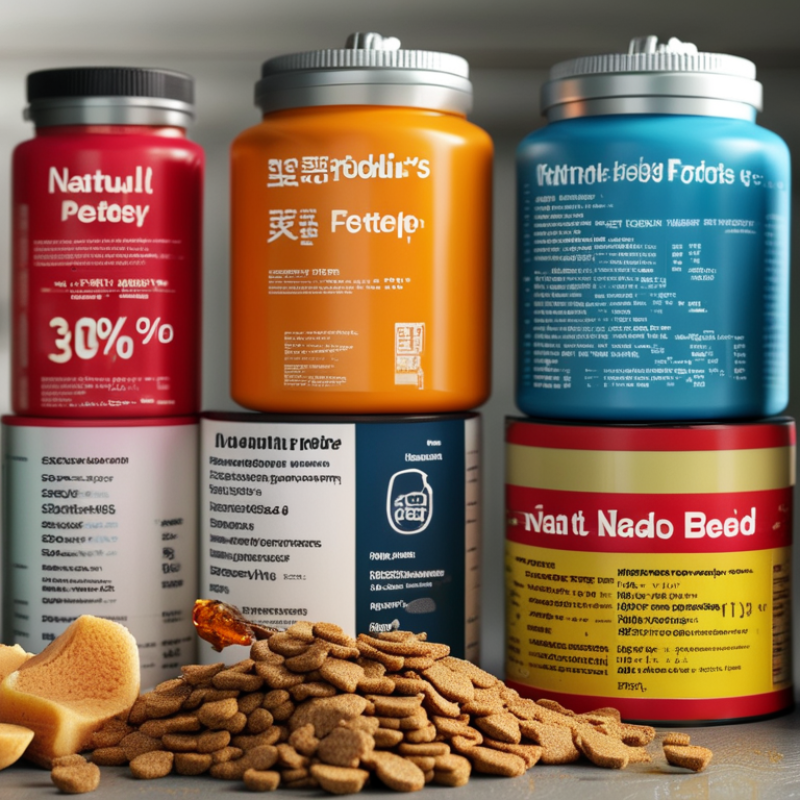
Pet food nutrition labels answer two practical questions: what is inside, and how should it be used? For global buyers, the label also shows how a product communicates across markets. Its structure usually begins with product identity, intended animal, net quantity, and feeding guidance. These details prevent a common mistake: comparing a puppy formula with an adult maintenance formula. The purpose is practical, not decorative.
The ingredient list names components in descending order by weight before processing, unless local rules state otherwise. The guaranteed analysis then reports selected nutrients, commonly crude protein, crude fat, crude fiber, and moisture. These figures need context. A dry product and a moist product can look different because water changes the percentages. I check moisture before comparing products, then use a dry-matter calculation when accuracy matters. That step is easy to skip. Calorie information, feeding instructions, batch identification, and contact details add practical value. Still, labels cannot prove every quality claim or predict each pet’s response.
Reliable review combines label reading with veterinary nutrition guidance and current import requirements. Requirements differ across regions, including language, nutrient declarations, and feeding statements. A careful buyer records the package date and keeps the full label image. This supports traceability when shipments change or questions appear later. Small print matters. I still miss details sometimes. An unclear serving size can weaken an otherwise careful purchase.
Ingredient order provides a useful first clue. In many markets, ingredients appear by weight before processing. The first items usually contribute the largest share of the recipe. However, moisture can distort comparisons. Fresh meat contains more water than dried meal. A dry ingredient may provide more actual nutrients after cooking. Check the product’s moisture level before judging the list.
Names require careful reading. “Animal protein” is less specific than a named species. Cereals, oils, minerals, and plant extracts may serve nutritional or technical purposes. Additives can preserve freshness, support texture, control acidity, or supply vitamins. Their presence is not automatically negative.
The important questions are purpose, amount, and authorization in the destination market. Look for clear additive names, permitted categories, and feeding instructions that match the product type.
Global buyers should compare the original label with its translated version. Small wording changes can hide important differences. Request a specification sheet, laboratory analysis, and certificate of conformity when available. I have seen labels that looked transparent but used broad ingredient terms. That deserves a second review.
Also check whether the guaranteed analysis is reported “as fed” or on a dry-matter basis. These figures are not directly interchangeable.
When uncertainty remains, consult a qualified veterinary nutritionist or regulatory specialist. Labels help, but they do not tell the whole feeding story.
How to Read Pet Food Nutrition Labels for Global Buyers?
Comparing Guaranteed Analysis Values Across Global Markets
Guaranteed Analysis looks simple, but international comparison can mislead buyers. A label may show protein, fat, fiber, moisture, and ash as percentages. These values usually describe the product “as fed,” including water. Dry food with 25% protein and wet food with 10% protein may provide similar protein levels after moisture is removed.
Use this calculation: dry-matter protein equals protein divided by 100 minus moisture, then multiplied by 100. For example, 10% protein at 78% moisture becomes about 45.5% on a dry-matter basis. Always check units, decimal points, and local labeling rules. AAFCO’s Official Publication 2024 separates guaranteed analysis from complete nutrient profiles, while FEDIAF’s 2024 European Pet Food Facts and Figures reports more than 139 million pet-owning households in Europe. The market is large, but labels are not fully uniform.
A useful review compares nutrients on the same moisture basis, then checks calorie density per 100 grams. This matters when products cross regions with different feeding guidance. Some markets list crude fiber; others emphasize dietary fiber or analytical constituents. The terms are related, not identical. I still recheck calculations manually because rounding can change a close comparison. Nutrition labels support decisions, but they do not replace veterinary interpretation, especially for growing, senior, or medically sensitive animals.
This chart compares minimum crude protein and crude fat levels for adult dogs and cats under the AAFCO nutrient profiles used in the United States and the FEDIAF nutritional guidelines used widely in Europe. Values are shown on a dry-matter basis, while retail guaranteed analysis panels are commonly reported as-fed. Buyers should therefore check moisture content before making direct comparisons across markets.
Sources: AAFCO Dog and Cat Food Nutrient Profiles; FEDIAF Nutritional Guidelines for Complete and Complementary Pet Food for Cats and Dogs.
When evaluating pet food for international purchase, start with the feeding guide, not the front label. It should relate daily portions to body weight, age, and activity. A 10-kilogram adult dog may need less food after neutering or during quiet weeks. Measure grams with a kitchen scale. Cups are inconsistent. I have found that owners often overfeed when they trust a generous-looking scoop. The guide is a starting point, not a prescription.
Calorie data deserves careful reading. Look for kilocalories per kilogram and per serving, then check whether the value is metabolizable energy. Compare the serving size with your pet’s actual portion. A small difference can matter for cats, puppies, and sedentary animals. Water content also changes comparisons between wet and dry products, so calories per can can mislead. Labels may use different units or regional conventions. Convert them before judging value. This step is easy to skip.
Life-stage wording should match the animal’s real needs. Growth diets require different nutrient levels than adult-maintenance diets, while gestation, lactation, and senior care may need professional assessment. Look for a nutritional adequacy statement and the declared life stage, then verify local regulatory requirements before importing. A veterinarian or qualified nutrition professional can interpret unusual calorie needs, medical conditions, and rapid weight changes. Recheck the label when formulations change. I still leave room for doubt: a compliant label cannot capture every pet’s metabolism. Monitor body condition, stool quality, energy, and weight over several weeks, adjusting portions carefully with professional guidance.
How to Read Pet Food Nutrition Labels for Global Buyers?
A nutrition label is more than a feeding guide. It can reveal whether a shipment is ready for a specific market. Check the product category, intended animal, net quantity, ingredient list, and analytical values. These details should match the sales documents and the physical packaging. Small differences can create delays.
Regulatory requirements vary by destination. Confirm the manufacturer’s details, responsible importer, production lot, expiry date, and required local language. Review claims such as “complete,” “balanced,” “natural,” or “for sensitive digestion.” Each claim may need evidence, a defined standard, or approval from the destination authority. Do not rely only on a supplier’s translated label. Compare it with current government guidance and request certificates when required. In shipment reviews, I have seen correct labels fail because the importer address was missing. It happens.
Tips: Photograph every label panel before ordering. Keep the ingredient specification, laboratory report, certificate of origin, and packaging artwork together. Check whether the bag, can, or pouch can withstand humidity, heat, and handling. A torn seal may make a compliant product difficult to sell. Ask who controls label changes, too. A revised formula can quietly invalidate old artwork. Finally, confirm customs codes, permits, inspection rules, and document languages before booking freight. Requirements may change, so recheck them close to dispatch.
| Data Dimension | Market or Reference Area | Verified Regulatory or Commercial Requirement | What Global Buyers Should Check on the Label and Documents | Typical Import Risk |
|---|---|---|---|---|
| Product Identity | United States | The product name should identify the feed type and the intended animal. State feed laws commonly use definitions aligned with the AAFCO model framework, while the U.S. Food and Drug Administration oversees animal feed safety and labeling. | Confirm whether the product is identified as complete food, treat, snack, supplement, or intermittent feeding product. Check the target species and life stage. | A product marketed as a complete diet in one country may be classified as a treat or complementary feed in another. |
| Product Identity | European Union | Pet food labeling is principally governed by Regulation (EC) No. 767/2009, which covers the marketing and use of feed. The label should indicate the type of feed and target species or category. | Look for a clear indication such as complete feed, complementary feed, or feed material, together with the intended animal species. | Incorrect classification can affect label wording, nutritional statements, and customs documentation. |
| Ingredient Declaration | United States, Canada, and other markets using ingredient lists | Ingredients are generally listed in descending order by weight before processing. Ingredient names must comply with the applicable jurisdiction and may require recognized feed or food terminology. | Verify the exact species and part used, such as poultry, fish, organ meat, cereal, oil, or mineral. Check for ambiguous terms, unauthorized ingredients, and undeclared animal materials. | Ingredient names that are acceptable in the exporting country may not match the importing country’s permitted terminology or feed-material list. |
| Analytical or Guaranteed Analysis | United States and Canada | Pet food labels commonly declare guaranteed or analytical values for crude protein, crude fat, crude fiber, and moisture. Additional guarantees may apply to calcium, phosphorus, taurine, or other nutrients depending on the product and claim. | Compare the declared minimums and maximums with the product specification, laboratory certificate, and purchase contract. Confirm whether values are reported as-fed or on a dry-matter basis. | As-fed and dry-matter values are not directly comparable without conversion, especially between wet and dry foods. |
| Analytical Constituents | European Union and United Kingdom | Labels generally use analytical constituents such as protein, fat content, crude fiber, and crude ash. Moisture declaration is relevant where required by the applicable product category or when needed to interpret the analysis. | Confirm that terminology, units, decimal format, and order of presentation match the destination market. Recalculate nutrient levels on a dry-matter basis for cross-market comparisons. | Using “guaranteed analysis” terminology or a nutrient order copied from another market may create a labeling non-conformity. |
| Nutritional Adequacy | United States | A complete-diet claim should be supported by a recognized nutritional adequacy basis, such as a nutrient profile or an appropriate feeding trial under the applicable regulatory framework. | Check the nutritional adequacy statement, target life stage, feeding directions, and whether the product is intended for maintenance, growth, reproduction, or all life stages. | A product may meet a formulation target but still require different wording or evidence to be sold as complete food in another jurisdiction. |
| Nutritional Adequacy | European Union and United Kingdom | The label should distinguish complete feed from complementary feed. A complete feed is intended to provide all required nutrients when fed as directed; a complementary feed is not intended to be the sole diet unless the instructions state otherwise. | Check the feeding category, life stage, daily feeding guide, and any required mixing instructions for complementary products. | Selling a complementary product as a complete daily diet can trigger relabeling, withdrawal, or border-action concerns. |
| Health and Nutrition Claims | All destination markets | Claims such as natural, organic, grain-free, hypoallergenic, dental, urinary, weight management, or joint support must be truthful, substantiated, and permitted under local rules. Disease-treatment claims may move a product into medicinal or veterinary-product regulation. | Request claim substantiation, test methods, scientific references, and the exact wording approved for the destination market. Separate nutritional claims from therapeutic claims. | Words such as “treats,” “prevents,” or “cures” may be treated as medicinal claims and can require additional authorization. |
| Additives and Preservatives | European Union | Feed additives are regulated under Regulation (EC) No. 1831/2003. Authorized additives must be used within their permitted conditions, categories, and maximum levels, with required labeling particulars. | Review the additive category, functional group, identification, declared level where required, and authorization status in the destination market. | An additive permitted in the exporting country may be unauthorized, differently classified, or subject to a lower maximum level in the EU. |
| Medicated or Functional Products | United States, European Union, and United Kingdom | Products containing active substances intended to prevent, diagnose, or treat disease may be regulated as medicated feed, veterinary medicine, or another controlled category rather than ordinary pet food. | Screen the formula and claims for antimicrobial substances, pharmacologically active ingredients, parasite-control claims, and disease-treatment language. | Misclassification can result in import refusal, permit requirements, prescription controls, or destruction of the shipment. |
| Animal-Origin Materials | European Union and United Kingdom | Animal by-products and products derived from them are subject to specific controls, including rules related to sourcing, processing, approved establishments, and accompanying documents. | Identify every animal-origin ingredient, processing method, exporting establishment, health certificate requirement, and category of animal by-product. | Missing veterinary certificates, establishment approvals, or traceability records can stop the shipment at the border. |
| Lot and Date Coding | All destination markets | Commercial pet food normally requires traceability information such as a lot or batch code and a date indicating minimum durability, best-before, or expiry, according to local rules and product type. | Confirm that the code is permanent, readable, linked to production records, and consistent across the primary packaging, cartons, invoice, and certificate. | Unreadable or inconsistent codes weaken recall capability and may cause customs or retailer rejection. |
| Net Quantity and Units | United States, Canada, European Union, United Kingdom, Australia, and New Zealand | Net quantity must be stated using units accepted by the destination market. Metric units are standard in many markets, while U.S. labeling commonly also uses customary weight or volume units. | Verify net weight or volume, unit symbols, decimal separators, font legibility, and consistency between the label, packing list, invoice, and customs declaration. | Incorrect units or rounding can create quantity discrepancies, consumer-law issues, or customs valuation problems. |
| Responsible Business and Origin | All destination markets | Labels commonly need the name and address of the responsible operator, manufacturer, importer, or distributor, depending on the jurisdiction and product route. | Confirm the legally responsible party, manufacturing site, country of origin, importer of record, and contact details. Ensure the information matches the commercial documents. | A mismatch between label responsibility and import documents can delay clearance or create product-recall complications. |
| Language and Translation | European Union, United Kingdom, Canada, Japan, and other multilingual markets | Mandatory information generally must be presented in the official language or languages required by the destination market. Canada commonly requires English and French information for regulated consumer products. | Use a regulatory review of the translated ingredient list, feeding directions, warnings, claims, storage instructions, and responsible-party details. | Literal translation can change the legal meaning of a claim, feeding category, ingredient, or warning. |
| Packaging and Food Contact Safety | All destination markets | Packaging must protect the product from contamination, moisture, oxygen, light, pests, and physical damage. Materials and inks should be suitable for the intended use and supply chain. | Review packaging specifications, migration or food-contact declarations where applicable, seal integrity, barrier performance, recyclability markings, and storage conditions. | Packaging failure may cause rancidity, mold, infestation, loss of shelf life, or rejection even when the nutrition label is correct. |
| Import Documentation | All international shipments | Typical documents may include commercial invoice, packing list, transport document, certificate of origin, product specification, certificate of analysis, and, for animal-origin goods, an official veterinary or sanitary certificate. | Confirm destination-specific permits, importer registration, establishment approval, health certificates, customs codes, inspection requirements, and document language. | Document requirements vary by ingredient, processing method, animal species, origin country, shipment size, and destination authority. |
| Storage and Feeding Instructions | All destination markets | Feeding directions should identify the intended animal, body weight or life stage, daily amount, transition guidance where relevant, and conditions for safe storage after opening. | Compare feeding recommendations with the product’s energy density, moisture level, nutritional adequacy statement, and serving unit. Check whether refrigeration is required after opening. | Unclear instructions can create consumer-safety complaints and increase the risk of misuse or nutritional imbalance. |
| Pre-Shipment Verification | Global buyer best practice | Regulatory compliance should be confirmed before production and again before shipment because rules, approved additives, import permits, and language requirements may change. | Use a destination-specific checklist covering formula, claims, label artwork, laboratory results, packaging, shelf life, certificates, customs classification, and approved shipping route. | A label approved for a previous shipment may not remain compliant after a formula, supplier, packaging, or regulatory change. |
Check the product identity, animal type, life stage, net quantity, and feeding guidance. Small print matters. These details prevent comparing puppy food with adult-maintenance food.
Water changes the displayed nutrient percentages. Dry food with 25% protein may differ greatly from wet food with 10% protein. Compare both products on a dry-matter basis.
Divide protein by 100 minus moisture, then multiply by 100. For example, 10% protein and 78% moisture equals about 45.5% dry-matter protein. I still recheck manually.
It commonly lists crude protein, crude fat, crude fiber, and moisture. These values describe selected nutrients, not every nutritional detail. Terms may vary across regions.
Check kilocalories per kilogram and per serving. Confirm whether the figure describes metabolizable energy. Compare calories with your pet’s actual portion, not the package size alone.
Match daily portions with body weight, age, activity, and life stage. Measure food in grams with a kitchen scale. Cups vary. The feeding guide is a starting point, not a prescription.
Growing animals need different nutrient levels from adult animals. Pregnancy, nursing, senior care, and medical conditions may require professional assessment. A suitable label cannot predict every pet’s metabolism.
Keep the full label image, package date, batch identification, and contact details. Check local language, nutrient, and feeding-statement requirements before import. Requirements differ. I sometimes miss small changes.
Monitor body condition, weight, stool quality, energy, and appetite for several weeks. Adjust portions carefully when results change. Seek veterinary guidance for rapid weight changes or unusual reactions.
Learning how to read pet food nutrition labels is essential for global buyers who need to compare products accurately and make informed purchasing decisions. A label typically presents the product name, intended animal, ingredients, guaranteed analysis, feeding instructions, calorie information, and manufacturer details. Ingredients are generally listed by weight, so buyers should examine their order and distinguish main nutrients from additives, preservatives, vitamins, and minerals. Guaranteed analysis values should be compared carefully because measurement methods, moisture levels, and labeling conventions may differ between markets.
Buyers should also evaluate whether feeding guidelines match the pet’s species, size, age, activity level, and life stage. Calorie data can help determine suitable portions, while nutritional claims should be checked against the product’s actual information. Finally, packaging should provide clear batch, shelf-life, origin, and storage details, along with any documents required for import, customs review, or local distribution. A structured review helps buyers assess quality, suitability, transparency, and compliance before making a purchasing decision.
Nill Paws