How to Store Pet Food Properly at Home for Freshness?

Time:2026-08-26 Author:Ethan
0%

Properly storing pet food at home is essential for maintaining its freshness and nutritional value. Reports from the Pet Food Institute indicate that 45% of pet owners are unaware of the right ways to store their pet food. This lack of knowledge can lead to wasted food and potential health risks for pets.

Pet food can spoil due to exposure to air, moisture, and sunlight. A study by the Association of American Feed Control Officials emphasizes that improper storage can decrease the food's quality within weeks. Keeping pet food in its original packaging is key, yet only 33% of pet owners follow this guideline.

To ensure the best for our pets, understanding how to store pet food properly at home is crucial. Many pet owners might overlook the importance of storage solutions. Choosing the right containers can extend shelf life and keep food fresh.
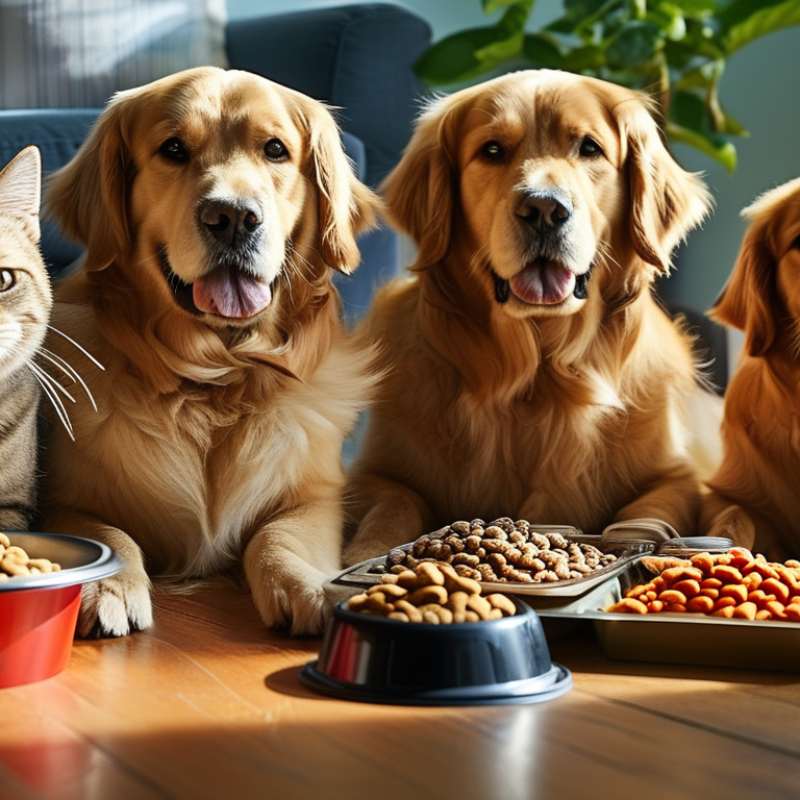
How to Store Pet Food Properly at Home for Freshness?

Choosing the Right Storage Containers for Pet Food

When selecting the right storage containers for pet food, consider materials that ensure freshness and safety. Airtight containers made from BPA-free plastic or stainless steel are ideal. Studies indicate that exposure to air can degrade pet food quality within weeks. Proper seals can extend shelf life by up to 25%. Therefore, investing in a good container matters.

It's not just about choosing a container; it involves understanding your pet's needs. The ideal size should match your pet's consumption rate. A smaller container encourages faster use, minimizing the time food is exposed to air. Reports suggest that larger containers can lead to stale food if not consumed quickly. Observing your pet's behavior can uncover their preferences, which can inform your choices.

Pay attention to placement as well. Storing containers in a cool, dark area can further enhance their longevity. Heat and light exposure can accelerate nutrient loss. An unsettling fact is that most pet owners overlook this detail, risking their pets' health. Reflecting on your storage methods can lead to better nutritional choices for your furry friends.

Understanding Pet Food Shelf Life and Expiration Dates

Understanding the shelf life of pet food is vital for ensuring your furry friend's health. Read the expiration date on the packaging carefully. Typically, dry food lasts six to twelve months post-manufacture, while wet food is best used within two to three years. However, once opened, both types need to be consumed more quickly. The freshness diminishes once the seal is broken.

Storing pet food properly can extend its life. Keep it in a cool, dry place, away from direct sunlight. Use airtight containers to prevent moisture and pests. Despite these precautions, you may notice changes in smell or texture. Trust your senses: if it smells off, it may be time to discard it. Always check for mold or any unusual signs. Being aware of these details can help avoid health issues for your pet.

Optimal Storage Locations in Your Home for Pet Food

When storing pet food, location is crucial for maintaining its freshness. Choose a cool, dry place in your home. Avoid areas like the kitchen or garage, which can fluctuate in temperature. A dedicated storage bin in a pantry or closet often works best. Ensure the bin is sealed tightly to prevent moisture and pests.

It's important to check the food package for specific storage instructions. Some formulas may require refrigeration after opening. Also, consider the sunlight exposure in your storage area. Direct light can degrade food quality over time.

Regularly inspect your pet food for signs of spoilage. Look for unusual odors or changes in texture. Storing different types of food in separate containers can also help you manage freshness better. This way, you minimize the risk of cross-contamination. Keep track of expiration dates as well, or mark them on the container.

Maintaining Proper Sealing Techniques to Prevent Contamination

Maintaining proper sealing techniques is vital for keeping pet food fresh. Air, moisture, and pests can spoil food quickly if not stored correctly. Once opened, pet food should be sealed tightly. This prevents contamination and preserves nutrients. A simple zip-lock bag might not be enough. Consider using airtight containers for better protection.

Always check the seals on containers. Sometimes they may appear closed but are not airtight. Inspect for any signs of damage or wear. A broken seal can lead to spoilage. It’s important to store pet food in cool, dry places. Heat and humidity can degrade quality over time.

In terms of storage space, consider rotating foods. Use older bags first to avoid waste. Regularly inspect your pet food for any off smells or signs of pests. Be vigilant about what you bring into your home. Sometimes, contamination can occur before you even open a bag. Staying proactive can enhance your pet’s health and well-being.

How to Store Pet Food Properly at Home for Freshness?

Storage Method Recommended Container Temperature Duration of Freshness Sealing Technique
Airtight Container Plastic or Glass Cool, Dry Place Up to 6 months Seal tightly after each use
Vacuum Sealed Bags Plastic Refrigerator Up to 1 year Use vacuum sealing machine
Original Packaging Paper or Plastic Cool, Dry Place Up to 3 months Fold and clip tight
Freezer Storage Plastic Containers Freezer Up to 2 years Seal well to avoid freezer burn

Monitoring and Managing Humidity and Temperature Levels

Humidity and temperature play crucial roles in preserving the quality of pet food. Ideally, dry food should be stored in a cool, dry place. High humidity can lead to mold growth and spoilage. Temperature fluctuations also affect pet food, causing it to lose its nutrients. A stable environment helps maintain freshness for longer periods.

Using a hygrometer can help monitor humidity levels in storage areas. Aim for humidity levels below 15%. For temperature, keep food in an area between 50°F and 70°F. Avoid damp basements or hot attics. Sealed containers are beneficial; they prevent moisture and pests from ruining the food. However, not all containers are airtight, and some may allow moisture to seep in. Regularly check your storage options.

Even with these precautions, food can still degrade over time. Pets may refuse stale or spoiled food. It's essential to inspect food regularly for signs of spoilage. Look for unusual odors, discoloration, or changes in texture. This attention to detail reflects a commitment to your pet’s health and well-being.

FAQS

: How long does dry pet food last after manufacture?

: Dry pet food typically lasts six to twelve months after it's made.

What is the shelf life of wet pet food?

Wet food is best used within two to three years.

How should I store pet food to extend its life?

Store pet food in a cool, dry place, away from sunlight.

Why is it important to use airtight containers for pet food?

Airtight containers prevent moisture and pests from spoiling the food.

What should I do if pet food smells off?

If the food smells strange, it's safer to discard it.

How can I check if a container seal is effective?

Inspect the seal for damage. Some may look closed but aren't airtight.

What signs indicate pet food might be spoiled?

Look for off smells, changes in texture, or signs of mold.

Can contamination happen before opening the bag?

Yes, sometimes contamination occurs even before the bag is opened.

How can I avoid wasting pet food?

Rotate food supplies, using older bags first to minimize waste.

What environmental factors affect pet food quality?

Heat and humidity can degrade the quality of pet food over time.

Conclusion

When considering how to store pet food properly at home, it's vital to select the right storage containers. Opt for airtight bins that can protect against moisture and pests. Understanding the shelf life and expiration dates of pet food is equally important to ensure your furry friends are not consuming expired products.

The location where you store pet food can significantly impact its freshness; choose cool, dry areas away from direct sunlight. Maintaining proper sealing techniques is essential to prevent contamination, ensuring that the food remains safe and palatable. Additionally, monitoring and managing humidity and temperature levels can help preserve the quality of pet food over time. By following these guidelines, pet owners can keep their pet food fresh and nutritious.

Ethan

Ethan

Ethan is a seasoned marketing professional with a deep expertise in our company's innovative product line. With a passion for sharing knowledge and insights, he takes the lead in regularly updating our corporate blog, where he explores industry trends, product features, and effective marketing......