How to Know How Long Opened Pet Food Can Last?

Time:2026-10-10 Author:Sienna
0%

Opening a can of pet food feels simple, but storage mistakes can quietly affect your animal’s health. Many owners ask, “how long can opened pet food last?” The safest answer depends on the food type, storage temperature, packaging, and your pet’s habits. Refrigerated wet food often remains suitable for about three to five days, but the product label should guide the final decision. Some manufacturers recommend a shorter period.

From practical feeding routines and veterinary food-safety guidance, quick refrigeration matters most. Transfer leftovers into a clean, airtight container, then store them below 40°F (4°C). Do not leave the food in a warm room for several hours. Bacteria can multiply before the smell changes. That is the worrying part.

Before serving, check the texture, color, and odor. A sour smell, dried edges, mold, bubbling, or unusual sliminess means the food should be discarded. Never rely only on appearance. Cats and dogs may still eat spoiled food because hunger can overpower caution. I have also seen owners stretch the storage time when a can seems expensive, but that choice can create bigger problems, including vomiting or diarrhea.

This guide explains realistic storage limits, safer serving habits, and signs that opened pet food has passed its usable window. It also considers dry food, prescription diets, and room-temperature leftovers. Recommendations can vary. When uncertain, follow the label or contact your veterinarian. A little waste is usually safer than a preventable illness.
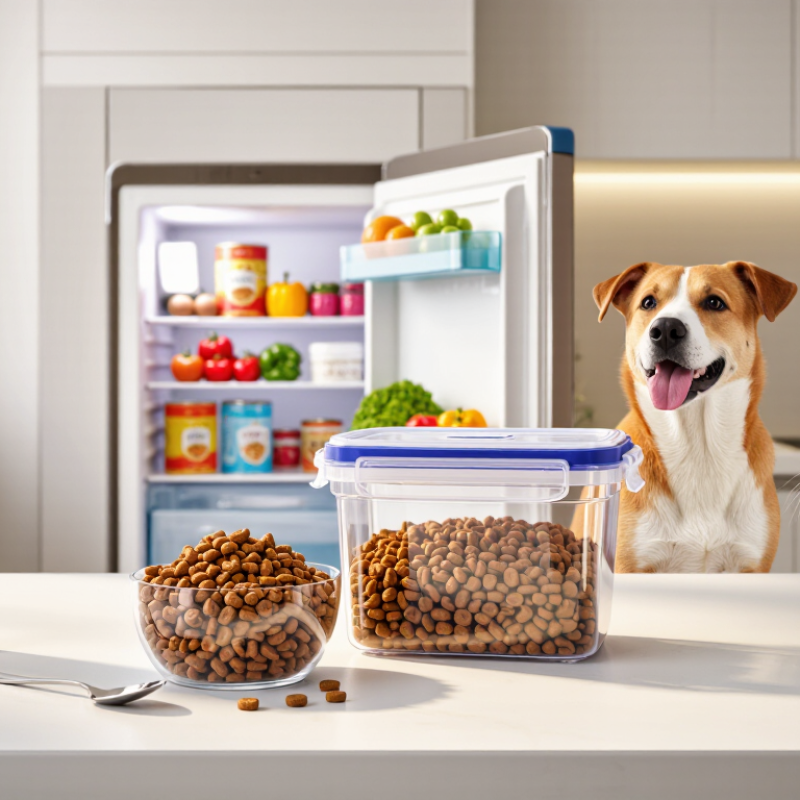
How to Know How Long Opened Pet Food Can Last?

How Long Opened Pet Food Can Last in the Refrigerator

Opened wet pet food usually lasts three to five days in a refrigerator kept at 4°C (40°F) or colder. Transfer leftovers into a clean, airtight container, or cover the original can securely. A loose cover allows odors, moisture loss, and contamination from other foods.

Refrigeration slows bacterial growth, but it does not stop it. Do not leave opened food at room temperature for more than two hours. In a hot room, one hour is safer.

Before serving, check for sour smells, slimy texture, unusual color, or a swollen container. These signs matter, but harmful bacteria may be invisible. When uncertain, throw it away.

Wasting a small portion is better than risking vomiting or diarrhea. I have found that “it still smells fine” is not a dependable test.

Tips:

Write the opening date on the container. Store it on a refrigerator shelf, not in the door, where temperatures change more often. Use a clean spoon for each serving, and let chilled food warm slightly before feeding.

Never mix new food with old leftovers. For dry food, keep the bag sealed in a cool, dry place and follow its package guidance, since its storage life differs greatly from moist food.

If your pet has a sensitive stomach, is very young, elderly, or unwell, shorter storage may be more appropriate. If the refrigerator became warm during a power outage, reassess the food carefully.

Storage Conditions That Affect the Freshness of Opened Pet Food

How to Know How Long Opened Pet Food Can Last?

Storage Conditions That Affect the Freshness of Opened Pet Food

Opened pet food does not age at one steady speed. Temperature, air exposure, moisture, and handling all change its freshness. The U.S. Food and Drug Administration advises refrigerating unused canned pet food promptly. It also recommends following the product’s storage directions carefully. Pet Food Institute guidance commonly suggests using refrigerated opened wet food within five to seven days. That period assumes a refrigerator stays at 40°F (4°C) or below. A warmer refrigerator creates more uncertainty.

A clean spoon matters. So does a tight-fitting lid. Transfer leftovers into a covered container instead of leaving the opened can exposed. Odors, surface drying, slime, mold, or unusual color mean the food should be discarded. Do not taste it to check. In practice, five days feels safer for sensitive pets, especially when food was served in a warm room. A refrigerator is not a time machine. I would also question food left beside a hot appliance, even if it looks normal.

Tips: Mark the opening date on the container. Keep wet food on a cold refrigerator shelf, not the door. Serve only the needed portion, then return the rest within two hours. For opened dry food, use an airtight container in a cool, dry place. The Food and Drug Administration emphasizes protection from heat, humidity, insects, and contamination. When storage conditions were poor, choosing safety over saving leftovers is the more reliable decision.

Signs That Opened Pet Food Has Spoiled

How to Know How Long Opened Pet Food Can Last?

Signs That Opened Pet Food Has Spoiled

Opened pet food can spoil before its appearance seems alarming. I have learned to check smell, texture, and storage time together. Wet food usually stays safe for about three to five days when sealed and refrigerated. However, the package instructions should guide your decision. Food left at room temperature for several hours deserves extra caution, especially in warm kitchens.

Watch for a sour, rotten, or unusually sweet smell. Mold may appear as green, white, or black patches. A slimy surface, unusual dryness, bubbling, leaking, or swollen packaging also signals trouble. Color changes can matter, but they are not always proof of spoilage. Some foods naturally darken after opening. A pet suddenly refusing familiar food can be another warning, although appetite changes have many causes. When uncertain, I throw it away. It feels wasteful, but guessing can create a bigger problem.

Tips: Refrigerate opened wet food in a clean, airtight container. Mark the opening date on the lid. Use a clean spoon at every meal. Do not mix fresh food with leftovers. Let refrigerated food warm briefly before serving, but avoid leaving it out for long. Wash bowls after feeding. Inspect dry food for moisture, insects, rancid odors, or clumps. My judgment is not perfect, so a veterinarian should assess any vomiting, diarrhea, weakness, or unusual behavior after eating questionable food.

How to Know How Long Opened Pet Food Can Last?

Opened wet pet food should be refrigerated promptly at 40°F (4°C) or below and used within 3–5 days; this chart uses the five-day maximum. At room temperature, discard wet pet food after two hours, or after one hour when temperatures exceed 90°F (32°C). Discard food immediately if it develops mold, an unusual odor or color, a swollen container, or a slimy texture. Always follow the storage directions on the package.

Safe Ways to Store and Serve Leftover Pet Food

Opened pet food can remain safe only when handled carefully. Refrigerate unused wet food within two hours of serving. Use a clean, airtight container instead of leaving it in the opened can. A refrigerator below 4°C helps slow bacterial growth. Most opened canned food should be used within three to five days. Check the storage instructions, because recipes and moisture levels can vary.

Tips:

Divide leftovers into small meal-sized portions. This reduces repeated warming and cooling. Serve each portion in a clean bowl. Do not mix fresh food with an older serving. Remove uneaten food after two hours, or sooner in a hot room. Wash bowls, spoons, and storage containers with hot, soapy water. Label the container with the opening date. It sounds fussy, but it prevents guessing.

I once assumed a normal smell meant food was safe. That was not a reliable test. Discard leftovers with mold, sour odors, unusual color, swelling, or a slimy texture. Never taste pet food to check it. Dry food also needs protection from humidity, heat, and insects. Keep it sealed in a cool cupboard, and wash the storage bin between batches. If your pet develops vomiting, diarrhea, weakness, or refuses meals after eating stored food, contact a veterinarian promptly. Safety decisions can feel wasteful, but spoiled food costs more than one discarded serving.

When to Discard Opened Pet Food for Your Pet’s Safety

How to Know How Long Opened Pet Food Can Last?

Opened pet food can become unsafe before it smells spoiled. Bacteria may grow without changing the food’s appearance. The FDA’s Safe Handling of Pet Food and Treats guidance recommends refrigerating unused canned food at 40°F (4°C) or below. It also advises using refrigerated leftovers within five to seven days. I prefer the shorter end when the container was warm, uncovered, or handled repeatedly.

Discard opened food sooner if it has a sour smell, slimy texture, dried edges, mold, swelling, or unusual color. Never scrape away mold and serve the remaining portion. That shortcut is unsafe. Wash the bowl after every meal, especially if food remains sticky around the rim. The American Veterinary Medical Association also emphasizes clean feeding equipment and proper refrigeration to reduce contamination risks.

For practical control, write the opening date on the lid. Store leftovers in a sealed container, not an uncovered can. If your pet has eaten from the bowl, refrigerate the remainder promptly and avoid leaving it at room temperature for several hours. The FDA notes that handling can transfer Salmonella and other pathogens between pet food, hands, bowls, and surfaces. The timetable is not perfect. Warm kitchens, dirty utensils, and repeated temperature changes shorten it. When uncertain, discard the food rather than risk vomiting, diarrhea, or a more serious infection.

FAQS

How long can opened wet pet food stay fresh in the refrigerator?

It usually lasts three to five days when sealed and kept at 40°F (4°C) or below. Five days feels safer.

Does refrigerator temperature affect opened pet food?

Yes. A warmer refrigerator creates more uncertainty. Keep food on a cold shelf, not in the door.

How should opened wet pet food be stored?

Transfer it to a clean, covered container. Mark the opening date on the lid.

How long can wet food remain at room temperature?

Return unused food to the refrigerator within two hours. Warm rooms require greater caution.

What smells suggest opened pet food has spoiled?

Sour, rotten, or unusually sweet smells are warning signs. Do not taste the food.

What changes in texture or appearance should concern me?

Discard food with slime, mold, bubbling, leaks, swollen packaging, or unusual dryness. Color changes alone may not prove spoilage.

How should opened dry pet food be stored?

Use an airtight container in a cool, dry place. Protect it from heat, moisture, insects, and contamination.

Can I mix fresh food with refrigerated leftovers?

Avoid mixing them. Use a clean spoon for each meal and wash the bowl afterward.

What should I do when storage conditions were poor?

Throw the food away, even if it looks normal. Saving leftovers may not be worth the risk.

When should a veterinarian assess my pet?

Seek veterinary advice after vomiting, diarrhea, weakness, or unusual behavior. My judgment may not be perfect.

Conclusion

Knowing how long can opened pet food last is essential for protecting your pet’s health and reducing waste. Once opened, wet pet food should generally be refrigerated promptly in a clean, airtight container and used within a few days, while dry food should be kept sealed in a cool, dry place and protected from moisture, heat, and direct sunlight. Storage temperature, container cleanliness, exposure to air, and how long the food remains at room temperature can all affect freshness.

Before serving leftovers, check for sour or unusual odors, discoloration, mold, a slimy texture, swelling, or other changes. Serve refrigerated food in a clean dish and avoid leaving it out for extended periods, especially in warm conditions. When in doubt, discard the food rather than risk illness. Food that has been left unrefrigerated too long, stored improperly, or shows any sign of spoilage should not be given to your pet.

Sienna

Sienna

Sienna is a skilled marketing professional with a deep expertise in our company’s core products and services. With a passion for innovation and detail, she plays a pivotal role in crafting insightful blog posts that not only highlight the unique features of our offerings but also provide valuable......