Choosing China’s best pet food for sensitive stomachs requires more than attractive packaging or reassuring words. It requires evidence, careful observation, and realistic expectations. A suitable diet may include highly digestible proteins, moderate fat, gentle carbohydrates, and balanced vitamins and minerals. However, every pet responds differently. One dog may improve with chicken and rice, while another may need a novel protein or a veterinary therapeutic formula.
This guide explores what food helps pets with sensitive stomach and how owners can judge products more carefully. Veterinary nutritionist Dr. Cailin Heinze has said, “There is no single best diet for every pet.” That reminder matters when comparing Chinese pet food brands, ingredient panels, and digestive-support claims. A reliable product should provide clear nutritional information, responsible manufacturing details, and feeding guidance. Look for complete and balanced formulas rather than snacks marketed as daily meals.
Small details can reveal a diet’s suitability. Notice stool consistency, appetite, vomiting, energy, and skin condition. A greasy bowl or sudden food change may worsen symptoms within hours. Transition gradually over seven to ten days. Better still, keep a simple feeding diary.
Marketing can mislead. “Natural” does not automatically mean gentle, and expensive food is not always superior. Some evidence remains incomplete, especially for fashionable ingredients. Persistent diarrhea, weight loss, blood, or repeated vomiting needs veterinary attention. Food alone may not solve the problem. A thoughtful choice combines expert advice, transparent sourcing, and close observation of the individual pet.
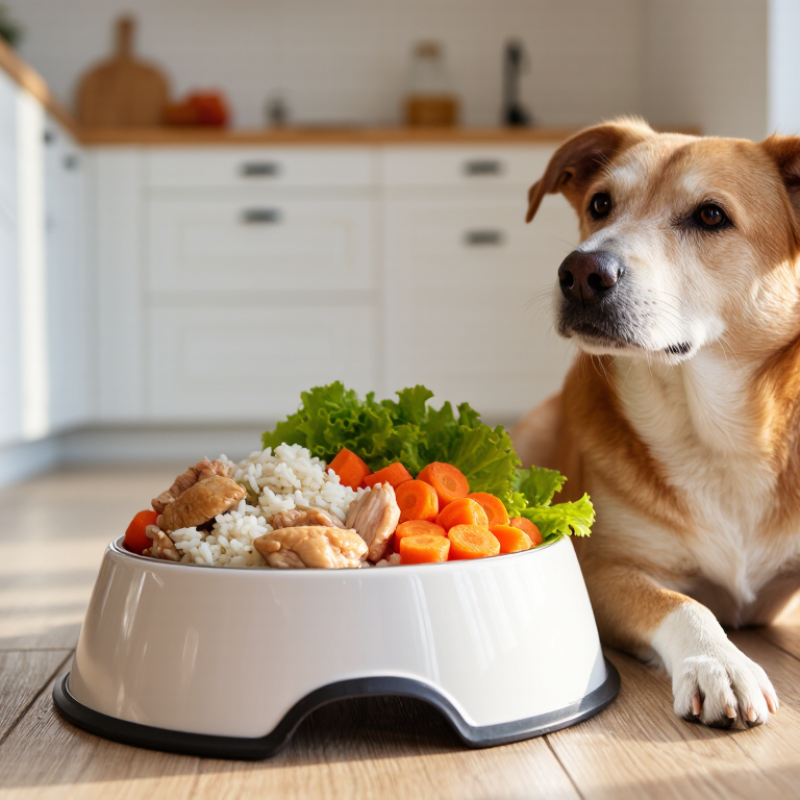
Understanding Sensitive Stomachs in Pets
A sensitive stomach is not a diagnosis.
It is a pattern: loose stools, occasional vomiting, gas, or a pet that walks away from its bowl.
These signs can follow a sudden food change, rich treats, stress, or an underlying health problem.
One bad meal may mean little.
Repeated symptoms deserve attention.
Notice the details.
Write down what your pet eats, when symptoms appear, and how often they happen.
A dog that has diarrhea after several new snacks may be reacting to the sudden variety, not one specific ingredient.
Cats can also eat too quickly, then bring food back up.
It happens.
Still, blood in stool, repeated vomiting, marked tiredness, or poor appetite calls for prompt veterinary advice.
When choosing pet food in China,
check that the package identifies the intended animal and life stage, lists ingredients clearly, and provides feeding directions.
Keep the bag sealed in a cool, dry place; humid kitchens can affect freshness.
If a veterinarian recommends a diet change, transition gradually over several days, unless they advise otherwise.
Avoid changing food, treats, and supplements all at once.
That makes reactions harder to interpret.
Even careful notes cannot replace an examination, and “sensitive stomach” foods do not suit every pet.
Key Ingredients in Gentle Pet Food Formulas
China Best Pet Food for Sensitive Stomachs
Key Ingredients in Gentle Pet Food Formulas
Sensitive digestion needs careful formulation, not attractive packaging. APPA’s 2023–2024 National Pet Owners Survey counted 86.9 million U.S. pet-owning households. That scale explains rising interest in digestive-support formulas. However, a larger market does not guarantee better nutrition.
Start with a clearly named protein source. Chicken, fish, lamb, or a novel protein may suit different pets. Some formulas use hydrolyzed proteins, which are broken into smaller parts. Fat should remain moderate, especially for pets with loose stools. Highly digestible carbohydrates, such as rice or oats, can provide steady energy. Keep it simple.
Soluble fiber from pumpkin, beet pulp, or psyllium may help regulate stool texture. Prebiotic fibers can support beneficial gut bacteria. Probiotic strains need proper identification and guaranteed live counts. Otherwise, the claim feels weak. Moisture also matters, especially for pets that drink little water. Omega-3 fatty acids may support skin and normal inflammatory balance, but they are not a cure.
WSAVA nutrition guidelines emphasize individualized assessment and complete, balanced diets. FEDIAF’s 2024 Facts & Figures report shows pets live in 49% of European households, yet feeding needs remain highly individual. Check the nutritional adequacy statement, calorie density, and feeding instructions. Change foods gradually over seven to ten days. I would not treat “gentle” as a medical promise. Vomiting, blood, or ongoing diarrhea requires veterinary evaluation, not another ingredient experiment.
China Best Pet Food for Sensitive Stomachs: Key Ingredients in Gentle Pet Food Formulas
This chart compares protein, fat, and dietary fiber in commonly used gentle ingredients per 100 g. Chicken breast provides concentrated protein, while cooked white rice, pumpkin, and oatmeal contribute digestible carbohydrates and varying levels of fiber. Values are rounded from USDA FoodData Central entries; actual pet-food recipes vary by formulation and processing.
Feeding Guidelines for a Smooth Dietary Transition
Choosing the best pet food in China starts with tolerance, not a fashionable ingredient list. For a sensitive dog or cat, change meals gradually over seven to ten days. Begin with 75% familiar food and 25% new food. Increase the new portion every two days. Sudden switches can cause loose stools, vomiting, or food refusal. Slow is safer.
The 2023 China Pet Industry White Paper estimated China’s urban dog-and-cat consumption market at RMB 279.3 billion. A large market offers more choices, but market size cannot prove suitability. Select a complete, nutritionally balanced formula with clear protein sources and feeding directions. Avoid changing several variables together. Otherwise, you may not identify the trigger. Watch the litter box. Note stool texture, appetite, scratching, energy, and water intake in a simple daily log.
Portion control matters during transition. The Association for Pet Obesity Prevention’s 2022 report estimated that 59% of dogs and 61% of cats were overweight or obese. Extra treats can quietly disrupt digestion and calories. Feed measured portions, preferably at consistent times. If diarrhea lasts beyond 24 hours, vomiting repeats, blood appears, or appetite falls, contact a veterinarian promptly. I would reconsider any food that looks impressive but repeatedly produces poor stools. Each animal responds differently, and that uncertainty deserves attention.
China Best Pet Food for Sensitive Stomachs - Feeding Guidelines for a Smooth Dietary Transition
| Transition Stage |
Current Food |
New Sensitive-Stomach Food |
Recommended Feeding Approach |
What to Monitor |
Recommended Action |
| Days 1–2 |
75% |
25% |
Mix the new food thoroughly with the familiar diet. Keep meal times and water access consistent. |
Appetite, stool shape, vomiting, gas, and scratching. |
Continue if the pet eats normally and shows no significant digestive upset. |
| Days 3–4 |
60% |
40% |
Divide the daily ration into the pet’s usual number of meals. Avoid adding new treats during this stage. |
Stool frequency and firmness, energy level, and interest in food. |
Maintain the same ratio for an additional day if stools become softer than usual. |
| Days 5–7 |
40% |
60% |
Measure portions with a kitchen scale when possible. Follow the new food’s feeding guide according to body weight. |
Mild gas or soft stool may occur during adjustment. |
Do not increase the new food until digestion is stable for at least 24 hours. |
| Days 8–10 |
20% |
80% |
Keep fresh drinking water available. Avoid table scraps, sudden treats, and high-fat foods. |
Normal appetite, comfortable digestion, regular stools, and usual activity. |
Proceed to a fully new-food diet when the pet remains stable. |
| Day 11+ |
0% |
100% |
Feed the complete new diet in measured portions. Adjust the amount gradually if body weight changes. |
Body condition, stool quality, coat condition, and long-term tolerance. |
Continue routine monitoring and reassess portions as activity and life stage change. |
| Sensitive cases |
As tolerated |
Increase more slowly |
Extend each transition stage to two or three days, creating a gradual 10–14 day change. |
Recurring loose stools, excessive gas, reduced appetite, or repeated ear or skin irritation. |
Return to the last well-tolerated ratio and contact a veterinarian if signs persist. |
| Urgent signs |
Not applicable |
Not applicable |
Stop experimenting with multiple foods or treats while seeking professional advice. |
Repeated vomiting, bloody or black stool, marked weakness, dehydration, severe abdominal pain, or refusal to eat. |
Seek prompt veterinary care, especially for puppies, kittens, elderly pets, or pets with known medical conditions. |
Practical selection note: Choose a complete and balanced diet appropriate for the pet’s species and life stage, check the ingredient and feeding information on the package, introduce only one major dietary change at a time, and use veterinary guidance when a food allergy, chronic gastrointestinal disease, or other medical condition is suspected.
Monitoring Digestive Health and Adjusting the Diet
China Best Pet Food for Sensitive Stomachs
Monitoring digestive health should begin with a simple daily record. Note stool firmness, color, frequency, appetite, water intake, and gas. When stools become soft, record the meal time, portion, treats, and bowel changes. A phone photo can help a veterinarian identify patterns. It also reduces memory errors.
The APPA 2023–2024 National Pet Owners Survey reports that 66% of U.S. households own a pet. This large population makes careful nutrition monitoring increasingly important. FEDIAF’s 2024 European Pet Food Facts reports about 139 million pet-owning households in Europe. Yet population data cannot replace individual assessment. A sensitive stomach may reflect rapid diet changes, excessive treats, parasites, food intolerance, or another medical problem. It is tempting to blame the food too quickly.
Change diets gradually over seven to ten days. Keep protein sources, feeding times, and portions consistent during observation. Choose a complete diet with clear nutritional information and suitable energy density. Veterinary nutrition guidance from WSAVA recommends evaluating the whole animal, not one ingredient alone. Persistent vomiting, blood in stool, weight loss, pain, or lethargy needs prompt veterinary attention. I would not keep experimenting for weeks.
“natural” ingredients sound reassuring, but they do not automatically mean better digestion.
My own reflection is uncomfortable: A careful log may reveal that snacks, table scraps, or oversized portions caused the trouble.
Conclusion
Pets with sensitive stomachs may react to sudden dietary changes, rich ingredients, food intolerances, or underlying digestive issues. The best gentle formulas typically use highly digestible proteins, moderate fat, simple carbohydrates, and beneficial fiber to support regular digestion. Easily tolerated ingredients and balanced nutrition can help reduce symptoms such as loose stools, gas, vomiting, or reduced appetite. When considering what food helps pets with sensitive stomach, owners should focus on clear ingredient lists, appropriate nutrition for the pet’s age and condition, and formulas designed to support digestive comfort.
Diet should be changed gradually over several days by mixing increasing amounts of the new food with the current diet. Small, consistent portions and access to clean water can also promote a smoother transition. Owners should monitor stool quality, appetite, energy, and signs of discomfort. If symptoms continue, worsen, or repeatedly return, a veterinarian should be consulted to rule out allergies, illness, or other health concerns and to determine whether the diet needs further adjustment.

 Nill Paws