When a dog or cat leaves food untouched, concern often arrives quickly. Many owners ask, “why does my pet lose appetite suddenly?” The cause may be mild, such as stress, heat, a new bowl, or unfamiliar food. It may also signal dental pain, stomach problems, infection, medication effects, or another condition requiring veterinary attention. Appetite changes should never be judged by appearance alone.
This guide examines common reasons pets stop eating and explains how China top pet food suppliers can support safer feeding decisions. Reliable suppliers should provide clear ingredient lists, nutritional analysis, batch information, storage guidance, and quality-control records. These details matter when comparing dry food, wet food, treats, and specialized diets. A strong product cannot solve every appetite problem. That is easy to forget.
Owners should observe the whole picture. Check water intake, vomiting, stool changes, energy levels, chewing behavior, and weight loss. A cat that hides, refuses food, or appears weak may need prompt professional care. Dogs can also deteriorate quickly when appetite loss continues, especially with repeated vomiting or diarrhea. Veterinary advice is more dependable than online guesses or supplier marketing.
This discussion is not a diagnosis. It is a practical starting point for asking better questions. Food quality matters, but feeding temperature, freshness, portion size, and gradual diet changes matter too. Sometimes the overlooked detail is the most important one. A careful supplier can offer useful information, yet a qualified veterinarian must investigate persistent or sudden appetite loss.
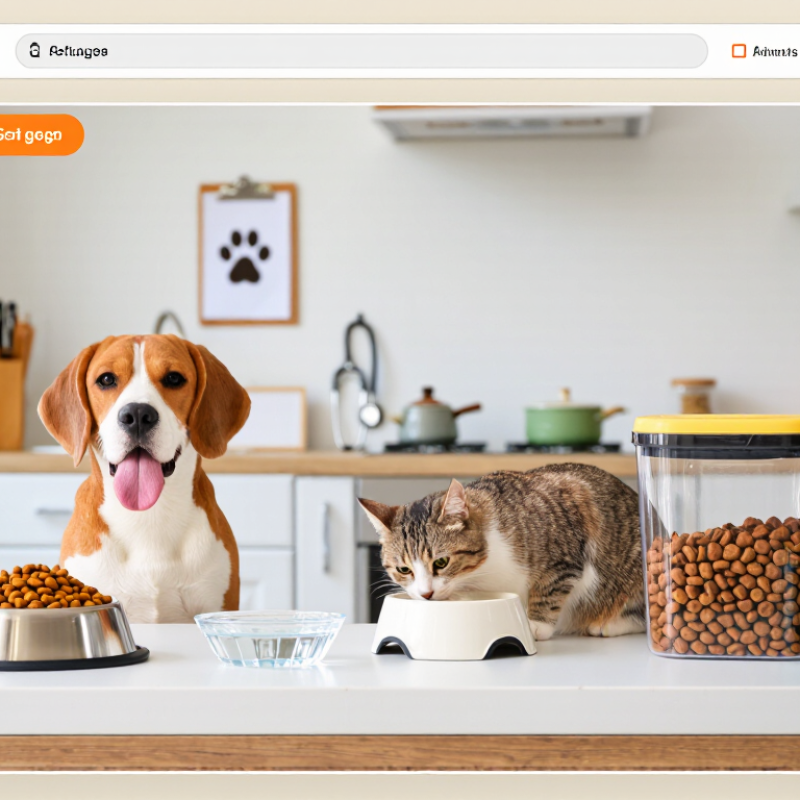
China Top Pet Food Suppliers: Why Does My Pet Lose Appetite?
China’s pet food market reached RMB 26.7 billion in sales in 2023. This growth reflects rising demand for safer, more specialized nutrition. However, market size does not guarantee that every product suits every animal. Appetite loss may come from sudden food changes, strong smells, poor storage, dental pain, stress, or illness. Suppliers should provide clear ingredient details, batch information, feeding guidance, and quality-control records. These details help buyers make responsible decisions.
In practical feeding observations, pets often respond better to gradual transitions. Mix a small amount of new food with the familiar diet for several days. Keep the bowl clean and place it in a quiet area. Check whether the food feels unusually oily, damp, or stale. My view is not perfect: palatability testing can guide selection, but it cannot predict every pet’s preference. A cat may reject a carefully formulated recipe for reasons humans barely notice.
Tips: Introduce new food slowly. Store opened food in a sealed container away from heat and moisture. Record eating habits, water intake, stool changes, and energy levels. If appetite loss continues, or vomiting and weakness appear, contact a qualified veterinarian promptly. Suppliers should also support traceability and transparent communication, especially as China’s expanding market attracts more product choices. More choices help, but they can also confuse owners.
| Data Dimension | Pet Food Market or Appetite Indicator | What It Means | Recommended Consideration | Reference |
|---|---|---|---|---|
| China pet food market | RMB 26.7 billion in 2023 | The figure represents the 2023 sales value stated in the market title and provides a high-level indication of the sector’s scale. | When comparing market reports, confirm whether the figure covers retail sales, packaged pet food only, or a broader market scope. | 2023 China pet industry market data cited in the supplied title |
| Reduced appetite: environmental stress | Common short-term trigger | Moving home, boarding, travel, unfamiliar people, noise, or changes in feeding location can reduce food intake. | Keep feeding times consistent, provide a quiet area, and introduce diet or routine changes gradually. | Merck Veterinary Manual: behavioral and environmental factors affecting appetite |
| Reduced appetite: food-related factors | Palatability and freshness matter | Sudden formula changes, stale food, incorrect storage, or an unpleasant texture may cause food refusal. | Check the best-before date, storage conditions, odor, texture, and transition schedule. Do not make repeated abrupt changes. | Merck Veterinary Manual: nutrition and feeding management guidance |
| Reduced appetite: dental or oral pain | Possible medical cause | Dental disease, mouth ulcers, broken teeth, or difficulty chewing may appear as slow eating, dropping food, drooling, or chewing on one side. | Arrange a veterinary oral examination, especially when appetite changes persist or chewing becomes difficult. | Merck Veterinary Manual: oral disorders in dogs and cats |
| Reduced appetite: gastrointestinal signs | Monitor vomiting, diarrhea, constipation, and abdominal discomfort | Appetite loss combined with digestive symptoms may indicate dietary intolerance, infection, obstruction, or another gastrointestinal problem. | Seek veterinary advice promptly if symptoms are repeated, severe, or accompanied by weakness, dehydration, or abdominal pain. | Merck Veterinary Manual: gastrointestinal disease assessment |
| Reduced appetite: systemic illness | A nonspecific clinical sign | Kidney, liver, endocrine, infectious, and other systemic disorders can reduce appetite before more obvious signs develop. | Persistent or unexplained appetite loss should be evaluated by a veterinarian rather than treated only by changing food. | Merck Veterinary Manual: clinical evaluation of anorexia and hyporexia |
| Cats and prolonged food refusal | Higher risk during extended fasting | Cats that stop eating are at risk of serious complications, including hepatic lipidosis, particularly when overweight or already ill. | Contact a veterinarian promptly when a cat refuses food; do not force-feed without professional guidance. | Merck Veterinary Manual: feline hepatic lipidosis |
| Urgent warning signs | Immediate veterinary attention may be required | Appetite loss with repeated vomiting, severe diarrhea, breathing difficulty, collapse, marked lethargy, pale or yellow gums, pain, or suspected toxin ingestion is concerning. | Contact an emergency veterinary service instead of waiting for a routine feeding adjustment to work. | Merck Veterinary Manual: emergency signs and triage principles |
| Supplier quality dimensions | Safety, traceability, nutrition, and storage control | A reliable pet food supplier should provide clear ingredient information, nutritional adequacy details, batch traceability, shelf-life controls, and storage instructions. | Request product specifications, testing documentation, quality-control procedures, and export or regulatory compliance records before purchasing. | AAFCO nutritional adequacy principles; FEDIAF nutritional guidance |
Note: The RMB 26.7 billion figure follows the market scope stated in the supplied title. Appetite loss is a symptom rather than a diagnosis; persistent or severe changes require veterinary assessment.
Appetite loss may result from stress, dental pain, illness, infection, or unsuitable food. Heat and travel can also matter. Observe behavior.
Contact a veterinarian when appetite loss lasts beyond 24 hours. Seek help sooner for young, elderly, diabetic, or kidney-disease pets.
Vomiting, diarrhea, weakness, breathing changes, painful chewing, bloating, or unusual thirst need prompt attention. Do not wait.
Gently feel the ribs. They should be easy to find, not sharply visible. Look for a waist and slight abdominal tuck.
A nine-point assessment usually considers scores 4 to 5 ideal. Scores 1 to 3 suggest low condition, while 6 to 9 suggest excess weight.
Request the exact nutritional adequacy statement, ingredient specifications, laboratory results, and batch traceability. Testing should include nutrients and microbiological safety.
Yes. A food may meet nutrient standards but smell unfamiliar or feel too dry. Palatability requires separate testing. Preferences remain unpredictable.
Change foods gradually over seven to ten days. Watch meal amounts, stools, water intake, and energy. I would not blame the food too quickly.
Keep it in a cool, dry place. Inspect the seal, date, smell, texture, and packaging before serving. Small details matter.
No. Avoid force-feeding or human medicine without professional guidance. Keep fresh water available and record symptoms for the veterinarian. Mistakes happen.
China’s pet food market reached approximately RMB 26.7 billion in 2023, creating more choices for pet owners and encouraging higher standards among local suppliers. Reliable manufacturers should produce food that meets AAFCO “Complete and Balanced” nutritional standards and provide clear information about ingredients, manufacturing processes, testing, and product traceability. When comparing suppliers, buyers should confirm nutritional compliance, quality-control procedures, batch records, and laboratory testing rather than relying only on price or marketing claims.
If you are wondering, “why does my pet lose appetite suddenly,” possible causes may include stress, dietary changes, dental discomfort, digestive problems, illness, or other health concerns. A WSAVA-style 9-point body-condition assessment can help owners monitor whether weight and body condition are changing. However, appetite loss should not be ignored: if a pet refuses food for more than 24 hours, or shows vomiting, diarrhea, weakness, pain, or rapid weight loss, veterinary care is recommended. Choosing transparent suppliers and observing eating habits carefully can support better long-term pet health.

 Nill Paws