Finding the right food for picky pets can be a daunting task. Many pet owners often struggle with the question: what food is best for picky pets? Each pet has its unique preferences and dietary needs. A food that works for one pet may not suit another. Experimentation is key, but confusion is common.
In 2026, the market is filled with options. Nutrition plays a vital role in your pet's health. However, quality varies greatly between brands. Some pets refuse to eat certain textures or flavors. Others may have sensitivities that need consideration. It's essential to understand your pet's needs.
Research shows specific ingredients appeal more to picky eaters. There’s no one-size-fits-all solution. Seeking advice from veterinarians can provide insights into dietary choices. Testimonials from other pet owners can also guide decisions. Balancing taste and nutrition is paramount. Keep track of what your pet enjoys. This journey requires patience and reflection. Ultimately, the goal is to find the perfect match for your furry friend.
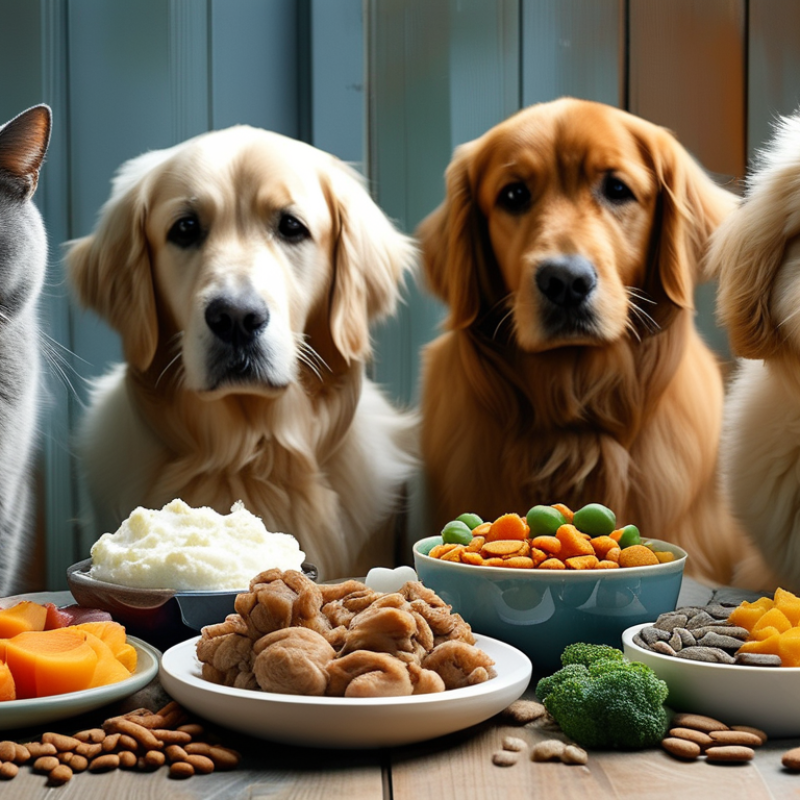
Picky eating in pets is a common concern among pet owners. Various factors contribute to this behavior. Health issues, such as dental problems or gastrointestinal discomfort, can make food unappealing. In some cases, pets might simply prefer one flavor or texture over another. Stressful changes, like moving houses or new pets, can also lead to picky eating habits.
Understanding these causes is crucial. If a pet consistently avoids food, a vet visit is recommended. Identifying underlying health issues can help address the problem efficiently. Offering variety in food choices can stimulate interest; however, it’s essential to avoid excessive spoiling. Some pets may become stubborn over time.
Creating a feeding routine can improve consistency. Set specific meal times and avoid constant snacking to encourage a healthier approach to eating. Remember that every pet is unique. Experimenting with different foods can lead to better outcomes. It may take time to find the right match for a picky eater. Care and patience are key parts of this process.
Identifying your pet's nutritional needs can be challenging. Different pets, from dogs to cats, have varied dietary requirements. Dogs are often versatile eaters, while cats are strict carnivores. It’s vital to consider these differences when choosing pet food.
Observe your pet’s behavior when trying new foods. Some pets may refuse certain textures or flavors, which can lead to wasted meals. It's essential to experiment with different options. Talk to your veterinarian about proper nutrition for your specific pet type. They can provide insights into age, weight, and health considerations.
Don't overlook the importance of high-quality ingredients. Nutrient-dense foods support overall health, while poor quality affects energy levels. Avoid fillers and artificial additives. Reflecting on your pet's response to different foods can guide better choices. Every pet is unique, and their likes and dislikes may challenge your choices. Be patient and willing to adjust as needed.
When it comes to selecting pet food for picky eaters, understanding their unique needs is crucial. In 2026, the best options prioritize high-quality ingredients that cater to specific dietary requirements. Look for foods rich in protein, healthy fats, and essential vitamins. Many pets thrive on grain-free diets or those with limited ingredients, simplifying the selection process.
Here are some tips to help you choose wisely. Observe your pet's reactions to different foods. Their enthusiasm during mealtime can guide you towards the right choice. Gradually introduce new food to avoid digestive issues. Mixing a small portion with their current food can ease the transition.
Additionally, consider the texture and flavor. Some pets prefer wet food, while others enjoy dry kibble. Assess their preferences carefully. It's essential to stay patient during the trial-and-error phase. Not every brand will work for your pet, and that's perfectly normal. Listen to their needs and adjust accordingly.
Choosing the right food for picky pets can be challenging. Natural foods often provide high-quality ingredients. They usually contain fewer additives and preservatives compared to commercial options. Fresh proteins, wholesome grains, and vibrant fruits can appeal to selective eaters. Many pet owners find that these foods result in shinier coats and better energy levels.
On the other hand, commercial pet foods are convenient. They come in various flavors and formulations. Some brands invest in research to ensure balanced nutrition. However, the ingredient quality can vary widely. Picky pets may turn their noses up at generic options. It's essential to read labels carefully and choose trusted brands.
The decision ultimately depends on your pet’s preferences and needs. Some pets thrive on natural foods, while others may excel with commercial diets. Observing how your pet reacts to different options can be insightful. However, personal biases might cloud your judgment. Always consult a veterinarian for tailored advice. Be willing to experiment, keeping your pet’s feedback in mind.
| Food Type | Nutritional Value | Taste Appeal | Price Range | Recommended For |
|---|---|---|---|---|
| Natural Food | High in protein, low in fillers | Highly appealing to picky eaters | $$$ | Cats and dogs with food sensitivities |
| Commercial Dry Food | Moderate quality, often contains grains | Average appeal, some flavor variants | $ | General pets |
| Commercial Wet Food | Higher moisture content, palatable | Very appealing to most pets | $$ | Finicky eaters |
| Raw Diet | High natural nutrients, unprocessed | Very high, natural flavors | $$$$ | Health-conscious pet owners |
| Homemade Food | Customizable nutrition | Tailored to pet's taste | $$$ | Pets with specific dietary needs |
Transitioning picky pets to new foods can be a challenge. Understanding their preferences is key. Here are some tips to make the process smoother.
Start by mixing a small amount of the new food with their current favorite. This gradual approach helps them adjust without feeling overwhelmed.
Introduce the new food early in the day. Pets are often hungrier and more willing to try something different. You might also try
warming the food slightly. A little warmth can enhance the aroma and entice picky eaters.
Be patient. Some pets may resist for days or even weeks. If they refuse, it’s okay to adjust your approach. You could try different textures or flavors, but avoid sudden changes.
Keep track of their response. Not every pet will like the same food, and that’s perfectly normal.
: Various factors cause picky eating, including health issues, stress, and individual food preferences.
If your pet consistently avoids food, a vet visit is recommended to check for health issues.
Offering variety in food choices can stimulate interest, but avoid excessive spoiling to prevent stubbornness.
Set specific meal times and limit snacking to encourage a healthier eating approach.
Observe your pet's reactions to different foods; their enthusiasm can guide your choice.
Start by mixing a small amount of the new food with their current favorite to ease the change.
If they resist, try different textures or flavors, but avoid sudden changes and stay patient.
Some pets may resist new foods for days or weeks; adjustments may be necessary.
Yes, some pets prefer wet food while others like dry kibble; assess their preferences carefully.
Yes, it’s perfectly normal that not all brands suit your pet; listen to their needs and adjust.
In addressing the question of what food is best for picky pets, it's essential to first understand the various factors that contribute to picky eating behaviors. Common causes range from a pet's past experiences with food to specific health issues. Identifying the unique nutritional needs of different pet types can assist owners in selecting appropriate options that cater to their pet's preferences and dietary requirements.
The article provides a comprehensive review of top recommended pet foods for 2026, comparing natural versus commercial alternatives to determine the best fit for discerning eaters. Transitioning picky pets to new foods can be challenging; however, the article offers practical tips to ensure the process is smooth and successful, helping owners make informed decisions tailored to their beloved pets' needs.

Nill Paws