A healthy pet coat begins with more than appearance. It reflects skin condition, nutrient intake, hydration, genetics, and overall wellbeing. For owners searching “what food helps improve pet coat health,” the answer is rarely a single magic ingredient. A complete and balanced diet usually matters most.
Veterinary nutritionist Dr. Joseph Wakshlag of Cornell University has emphasized, “There is no one diet that is right for every pet.” That principle guides this article. High-quality animal protein supports hair structure and muscle maintenance. Omega-3 fatty acids from fish oil or responsibly sourced fish may help maintain the skin barrier and reduce dryness. Zinc, copper, vitamin E, and adequate water also contribute to normal coat growth.
Look closely.
A dull coat can sometimes follow poor nutrition. However, it may also signal allergies, parasites, hormonal disease, stress, or excessive bathing. Changing food without investigating these causes may waste time. It can even delay proper veterinary care. Ingredient lists deserve attention, but marketing language should not replace nutritional evidence. “Natural” does not automatically mean complete. Expensive food is not always better.
This guide examines pet foods available in China and explains how to compare formulas more carefully. It considers life stage, breed size, activity level, and known sensitivities. Practical details matter, such as whether the food provides declared omega-3 sources and meets recognized nutritional standards. Still, no feeding plan is perfect for every animal. A shiny coat is useful evidence, but it is not the whole health story.
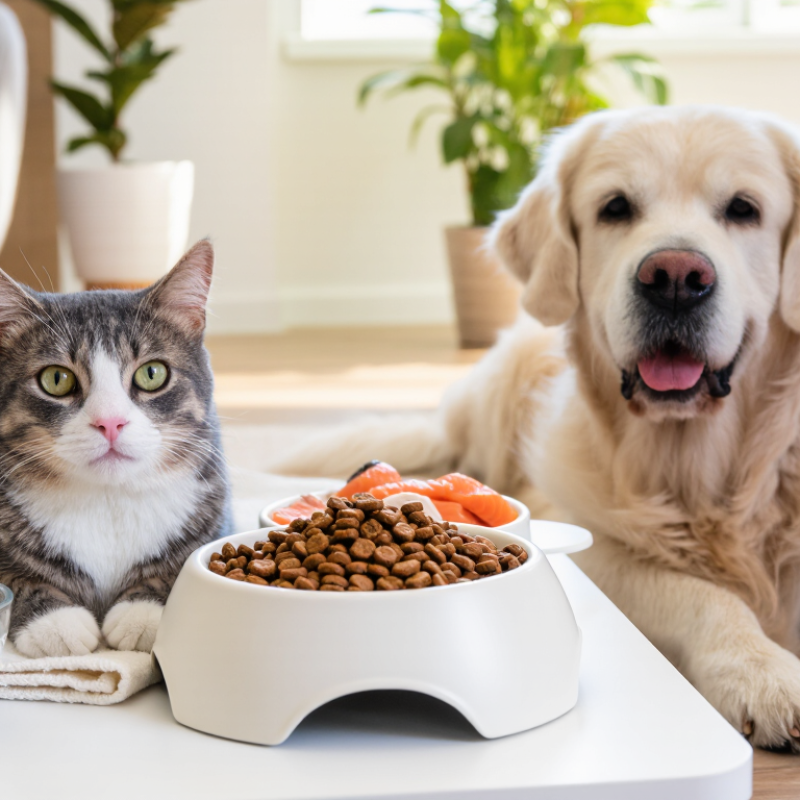
China Best Pet Food: What Food Helps Improve Pet Coat Health?
Understanding how nutrition affects pet coat health starts with the skin beneath the fur. A shiny coat usually reflects adequate protein, healthy fats, vitamins, minerals, and water. Protein supplies amino acids for hair growth and repair. Omega-3 fatty acids may help calm dry, irritated skin and support a softer coat. However, more fat is not always better. Excess calories can cause weight gain and may worsen some skin problems.
Choose a complete, balanced diet suited to your pet’s age, size, and health condition. Ingredients such as fish, eggs, poultry, and certain plant oils can provide useful nutrients. Zinc, copper, and vitamins A and E also support normal skin function, but supplements need care. Too much of some nutrients can be harmful. Coat changes may also result from allergies, parasites, hormonal disease, or stress. Nutrition is important, but it is not the only answer. A veterinarian should assess persistent itching, bald patches, wounds, or sudden shedding.
Tips: Keep fresh water available throughout the day. Change food gradually over seven to ten days. Brush the coat regularly and check the skin closely. Track changes with simple photos. Improvement may take weeks. I would not judge a diet by shine alone; comfort, stool quality, energy, and stable weight matter too.
| Nutrient or Food Component | How It Supports Coat Health | Suitable Food Sources | Practical Feeding Guidance | Important Considerations |
|---|---|---|---|---|
| High-Quality Protein | Hair and fur are primarily made of keratin, a protein. Adequate dietary protein supports normal hair growth, strength, and replacement of damaged fur. | Complete and balanced pet foods containing animal or plant protein, such as poultry, fish, eggs, meat, or properly formulated legumes. | Choose a complete and balanced diet appropriate for the pet’s species, age, size, and activity level. The ingredient list alone does not determine overall protein quality. | Excess protein does not automatically produce a healthier coat. Pets with kidney or other medical conditions may require individualized protein advice from a veterinarian. |
| Omega-3 Fatty Acids | EPA and DHA may help support the skin barrier and can help regulate inflammatory responses associated with dry or irritated skin. | Marine fish oils, oily fish, and veterinary-formulated supplements containing clearly stated amounts of EPA and DHA. | Use only pet-appropriate products and follow veterinary or product dosing instructions. Introduce fatty-acid supplements gradually with food. | Fish oil can cause gastrointestinal upset and may affect bleeding risk in some animals. Avoid giving human products containing unsafe additives or excessive doses. |
| Omega-6 Fatty Acids | Linoleic acid contributes to skin-barrier function and helps maintain normal skin and coat condition. | Poultry fat, sunflower oil, safflower oil, soybean oil, and complete commercial diets formulated to meet species-specific requirements. | Most complete pet foods already provide sufficient linoleic acid. A balanced diet is preferable to adding oils without professional guidance. | The overall balance of fatty acids and total calorie intake matters. Too much added oil may contribute to weight gain or digestive upset. |
| Zinc | Zinc supports skin-cell renewal, immune function, and normal hair-follicle activity. | Complete pet foods containing bioavailable zinc; meat and seafood can contribute zinc but should not replace a balanced diet. | Feed a complete and balanced food rather than using unsupervised zinc supplements to correct coat problems. | Excess zinc can be toxic and may interfere with the absorption of other minerals. Supplementation should be veterinarian-directed. |
| Copper | Copper participates in connective-tissue formation and pigment production, helping support normal hair structure and color. | Complete pet foods formulated with appropriate copper levels; liver contains copper but is not suitable as a sole or excessive food source. | A properly formulated complete diet generally supplies the required amount. Do not routinely feed large quantities of liver. | Both deficiency and excess can be harmful. Dogs with certain liver disorders may need specially managed copper intake. |
| Biotin and B Vitamins | B vitamins support energy metabolism and normal skin-cell function. Biotin is involved in keratin-related processes. | Complete pet foods, eggs, meat, and other animal-derived ingredients. Dietary deficiencies are uncommon when the diet is complete and balanced. | Do not assume a vitamin supplement is needed solely because a pet sheds. A veterinarian should assess persistent coat changes. | Raw egg white fed frequently can reduce biotin availability, while excessive supplements may create nutrient imbalances. |
| Vitamin A | Vitamin A supports skin-cell differentiation, immune function, and the maintenance of normal epithelial tissues. | Complete pet foods, liver in controlled amounts, and ingredients such as eggs or certain animal tissues. | Use a complete diet designed for the pet’s species. Vitamin A should not be added routinely without veterinary advice. | Excess preformed vitamin A can cause toxicity, including skeletal and joint problems. High-liver diets are not appropriate for long-term feeding. |
| Vitamin E | Vitamin E acts as an antioxidant and helps protect cell membranes, including those involved in skin and coat maintenance. | Complete pet foods and properly formulated diets containing suitable vegetable oils, seeds, or other vitamin-E sources. | A balanced commercial or professionally formulated home-prepared diet normally provides adequate vitamin E. | High-dose supplementation may interact with other nutrients or medications. Avoid using human multivitamins unless prescribed. |
| Adequate Water | Proper hydration supports normal skin function and helps maintain the body’s overall physiological processes. | Fresh, clean drinking water; moisture-rich complete foods can also contribute to daily water intake. | Keep water available at all times and clean bowls regularly. Monitor drinking habits, especially during hot weather. | Sudden increases or decreases in thirst may indicate illness and should be discussed with a veterinarian. |
| Balanced Calories and Essential Nutrients | Healthy body condition supports skin and coat quality. Both undernutrition and excessive weight can negatively affect overall health. | Complete and balanced foods labeled for the pet’s life stage and species, with measured portions and appropriate treats. | Adjust portions according to body condition, activity, age, and neuter status. Treats should remain a limited part of daily calorie intake. | Coat appearance alone cannot diagnose a nutritional deficiency. Persistent itching, hair loss, dandruff, odor, or skin lesions require veterinary evaluation. |
Note: Nutritional needs differ between dogs and cats, and individual requirements vary with age, health status, lifestyle, and reproductive status. A complete and balanced diet is the foundation of coat health; sudden diet changes and unsupervised supplements should be avoided.
Digestible protein supplies amino acids for hair growth and repair. Healthy fats may support softer skin and fur.
Fish oil provides EPA and DHA. Measured amounts may support the skin barrier and calm some irritation.
No. Extra fat can cause digestive trouble, weight gain, and possibly worsen some skin problems.
Zinc, copper, biotin, and vitamins A and E can help. Complete food should provide safe proportions.
Avoid doing so without veterinary advice. Some supplements contain excessive nutrients that may harm pets.
Fresh water should remain available all day. Good hydration may reduce dry, flaky skin, especially indoors.
Change it gradually over seven to ten days. Sudden changes may upset the stomach.
Seek advice for persistent itching, bald patches, wounds, or sudden shedding. Food may not be the real cause.
Visible changes may take several weeks. Shine alone is not enough; check comfort, energy, stools, and weight.
Brush regularly and inspect the skin closely. Take simple photos over time. I would not judge too quickly.
A healthy, shiny coat begins with balanced nutrition. This article explains how adequate protein, essential fatty acids, vitamins, minerals, and sufficient hydration support skin strength, hair growth, and natural coat luster. It also explores what food helps improve pet coat health, emphasizing the importance of choosing complete and balanced pet food made with clearly identified, high-quality ingredients. Pet owners will learn how to evaluate ingredient quality, understand the role of animal-based proteins and omega-3 and omega-6 fatty acids, and select formulas suited to a pet’s age, size, activity level, and sensitivities.
In addition to food selection, the article highlights practical feeding habits for long-term coat care. Proper portion control, consistent meal schedules, access to clean water, gradual dietary changes, and regular grooming can all contribute to healthier skin and fur. By combining thoughtful nutrition with attentive daily care, owners can help maintain a soft, glossy, and resilient coat while supporting their pet’s overall well-being.

 Nill Paws